
Four minutes is the whole active cook time on a Tempo tray, next to the thirty Home Chef promises on its "Fast Prep" recipes, and that twenty-six-minute gap is where a stubborn myth about weeknight dinners falls apart. The myth goes something like this: a real dinner, the kind a good parent puts on the table, has to start with a cutting board and end with a sink full of pans. Three years into a rolling meal-kit comparison across six different services in my Madison kitchen, I've stopped believing it, and a lot of working-parent hacks built around "just cook better" are solving the wrong problem entirely.
Before any of that: every meal-kit name below is an affiliate link, and if you sign up through one I earn a commission at no extra cost to you. That doesn't change which box actually gets handed to my family on a chaotic Tuesday. I've rotated through these subscriptions since spring 2023, judging each one against real dinner-rush chaos instead of the marketing photos, and I'm not a chef or a dietitian, just someone with a lot of opinions about pause windows.
The Myth: Cook-From-Scratch Always Wins
The comparison worth making isn't which box tastes better on a calm Sunday. It's which one survives a Tuesday when both adults are stuck on back-to-back calls and somebody still has to eat. Home Chef is built for the version of a week where you have thirty-five unhurried minutes and want to control what goes in the pan. Tempo by Home Chef is built for the version where the only thing standing between your family and cereal for dinner is a microwave door. Treating one as automatically more virtuous than the other misses the actual question, which is whether tonight has thirty-five minutes in it or not.
Nutritional density matters more than how much of yourself you poured into the process. A Home Chef plate with real vegetables and a protein you seared yourself is good. A Tempo tray with visible protein and greens, eaten standing at the counter, is also good, if the alternative that particular night is a bowl of dry cereal. Somewhere along the way, "convenient" got coded as "less than," and that coding doesn't survive contact with an actual dinner rush.
Why the Thirty-Minute Claim Rarely Holds
Cook-time labels are their own small industry of optimism. "Fast Prep" usually just means the carrots arrived already chopped, not that the whole process collapses into the promised window. There's still a pan to watch, a timer that goes off while the sauce is thin and nowhere near the thickness the recipe card shows, and a stretch of standing at the stove nobody budgeted for. Whether one specific fifteen-minute claim on one specific box is honest is its own rabbit hole, one I've gone down elsewhere; what matters here is the trade a tired parent is actually making.
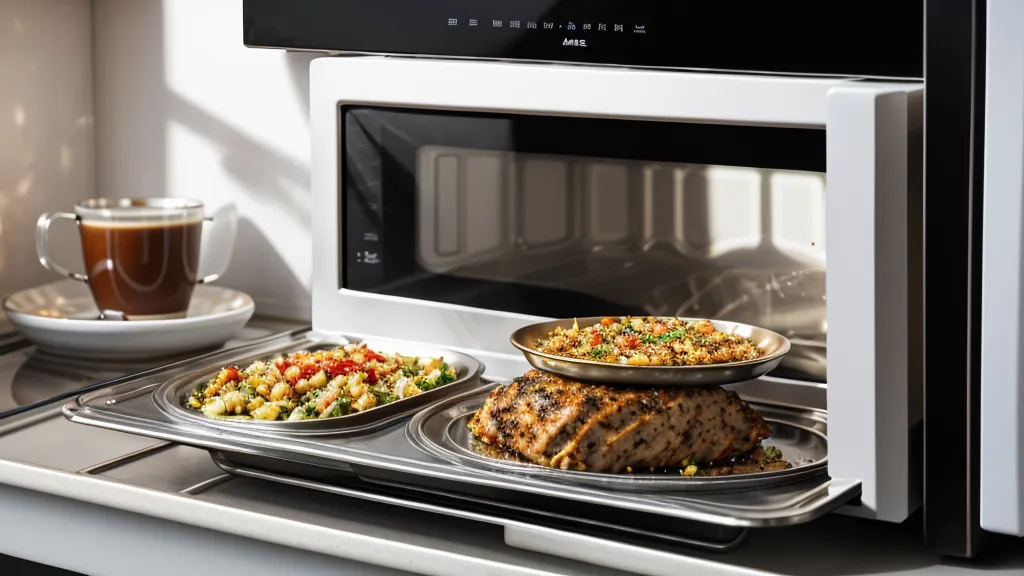
Tempo skips that stretch almost entirely — the trade is opening a microwave oven for about four minutes, not cooking in any traditional sense, but a genuine shortcut on nights when thirty-five unhurried minutes plain don't exist. Keeping a couple of these prepared trays in the freezer works as its own kind of insurance, the same logic behind a cost-per-plate gut check I run whenever a new box shows up: does this thing earn its spot in the rotation, or is it just inertia.
Packaging is its own logistics puzzle. These boxes ship as perishable freight, gel packs and all, and the one time I sliced a pack open by accident I learned it's mostly water bulked up with sodium polyacrylate — effective at keeping things cold, less fun for the recycling bin. Lead time is the bigger issue: both Home Chef and Tempo need several days' notice to pause or skip a week, and missing that window once left me with a double order and a fridge that couldn't hold it.
Before I settled into a rotation, I tried filling the gap weeks with a CSA farm box instead of a meal kit, on the theory that a plain grocery haul would be cheaper and less wasteful. It backfired — a crisper drawer of unfamiliar greens with no dinner plan attached, going soft before anyone touched them, which is worse than paying for a box you actually cook. These days a regular run to Trader Joe's on University Avenue covers the in-between groceries, and I keep a few shelf-stable and frozen items from Thrive Market as a pantry backup for the weeks a pause request slips through the cracks. The membership fee only makes sense once you're already juggling a couple of boxes a month; for a single subscription it's not worth adding another line item.
Which One Wins on an Actual Tuesday?
Take one specific Tuesday: my husband was stuck on a client call, both kids needed soccer practice and bath time handled solo, and the Home Chef "Fast Prep" meal on the schedule needed searing and boiled pasta. Even with pre-chopped ingredients, the idea of standing at the stove felt like one more meeting that should have been an email. I pulled a Tempo tray from the freezer instead, and the kids split a box of mac and cheese while I finally sat down to something with actual protein and greens on the plate.
That's the trade-off worth naming honestly: Tempo's menu skews toward sauces and spice combinations my kids won't touch, and the portions run smaller than a Home Chef plate built for two adults and two kids, so it's not a wholesale replacement so much as a release valve for the nights logistics fall apart. Home Chef earns its keep on the calmer nights instead — I can swap out an ingredient my youngest has decided he hates that week, and one calm evening recently the older kid stood at the stove stirring a sauce loaded with onions and never once complained, which says more about picking the right night for a cook-from-scratch box than about any recipe itself. Neither service is "better" in the abstract; they're better for different Tuesdays.
If you want the deeper version of that logistics question — which service actually survives past the new-subscriber honeymoon — I've written up the Home Chef vs Blue Apron comparison separately, since that's its own rabbit hole of weeknight logistics, pause windows, and which recipes a kindergartner will actually eat.
Rotating Between Boxes Without Losing the Pause Window
Subscription rotation only works if the pause button actually works, which is the whole reason I don't stick to a single box year-round. A calm week on the calendar means a Home Chef order for the variety; a week stacked with a QA release or a soccer tournament means switching to Tempo, or sometimes a Blue Apron "Ready to Heat" pick when I want the kids to eat something adventurous without me cooking it.
A friend from the soccer sideline, Berta Prendergast, treats every one of my pause-or-cancel questions like a billing audit she didn't sign up for — she runs her own accounting practice and wants to know exactly which charge hits which week before she'll believe a subscription is actually paused. Fair question, honestly. Pause-and-skip flexibility varies more by service than most people expect, which is a comparison worth its own writeup rather than a paragraph here, and it's the reason I still keep a few staples from Thrive Market in the pantry for the weeks a pause request slips through anyway.

Home Chef and Tempo, Side by Side
The choice mostly comes down to what a given week is optimizing for. Anyone who likes the actual process of cooking but hates the grocery run does better with Home Chef — the recipe rotation runs deep enough that boredom isn't really a risk, and the fast-prep labels land close enough to accurate that planning around them works most weeks.
Anyone whose week is back-to-back video calls does better with Tempo instead — the portions run smaller, which won't suit every household, but the trade is no dishes and a nutritional profile that holds up fine for something that takes less time than sitting through a commercial break. Rotation fatigue is a real thing too, and switching between services on purpose does more for keeping dinner interesting than sticking with any single box's menu changes.

Home Chef, Tempo, or Both: The Working-Parent Verdict
None of this is really about giving up on cooking. Treating a microwave tray as a legitimate quick dinner solution for the chaotic weeks, while keeping the stove for the calmer ones, is just matching the tool to what the week actually looks like instead of chasing a virtue that was never really about the food. If a stretch of five-PM panic sounds familiar, Tempo is worth trying for the weeks logistics fall apart — it has saved more than one release-cycle week in my house.
For the weeks where standing at the stove sounds appealing again, Home Chef is still the more reliable workhorse in our rotation. Working-parent hacks don't need to be complicated: the trick is giving yourself permission to use whichever box matches the week you're actually having, not the week you wish you had.
I'm not a chef or a professional meal planner, just a QA engineer who has run this comparison longer than she probably needed to. For the deeper breakdown of which specific Tempo meals actually survived a toddler taste test, the Tempo by Home Chef review has the full rundown.