Five nights a week, not two, was what our "emergency only" pizza order quietly turned into — and it took longer than it should have to notice, because a meal kit was still showing up in the fridge the whole time, mostly unopened. That's the risk with running a backup plan alongside a rotation of meal kit subscriptions: one weak system can hide behind a worse one for months without anyone flagging it. As a software QA engineer, I treat our dinner lineup the way I'd treat anything shipping to production. I don't trust the claims on the box; I test what actually happens on an ordinary Tuesday and weigh it against whatever a working parent's real schedule throws at it that week.
Two Fallback Systems, One Dinner Rotation
The pizza order was supposed to be a release valve, not a permanent fixture. It existed for the rare week when both of us had late client calls and nobody had the bandwidth left for a knife. One afternoon I got stuck behind a long pickup line at school, and by the time I'd walked both kids and their backpacks through the door, that week's box had been sitting on the counter for the better part of an hour. The protein pack had sweated through its liner, leaving a dark, sticky ring on the cardboard underneath it. We ordered pizza instead. Again.
What started as a once-a-month safety net turned into the default option more often than not, and not because the kit itself was bad. Picking up the phone requires zero decisions. The box requires at least four, starting with whether anyone still likes mushrooms this week. Compare that to the nights we skip cooking on purpose: plenty of warm-weather evenings, we're spread out on a blanket at the Olbrich Botanical Gardens picnic lawn with a cooler of sandwiches and whatever fruit didn't get eaten that week. Both nights count as "not cooking." Only one of them was actually a choice.
What Changes When You Manage the Queue Instead of Riding Autopilot
Every subscription box ships on a lead time, usually five or six days out, so the decision about next week's dinners has to happen before this week is even finished. I keep a standing reminder to go through each service's queue and either confirm it, swap it, or skip it, because the default menu a service picks for you is built for nobody in particular, with no idea of what the kindergarten bedtime rush actually looks like on a normal night. Miss that window and the box ships anyway, loaded with whatever the algorithm decided counts as adventurous.
I've mapped which kits work against which kind of day before, matching a weeknight meal kit choice to the actual hybrid schedule rather than to whichever box looked good in the marketing email. A kit built for a calm, fully remote Wednesday is a different tool than one that has to survive a day that ends with a school pickup and a grocery stop. A kit that nails dinner doesn't automatically solve lunch. That's a separate fit question most people forget to ask until the fridge is full of dinner leftovers and empty of anything portable.
A reader named Nneka Obi emailed me about this exact problem once, after a chaotic stretch left her with two surprise charges from boxes she'd forgotten to skip in time. She now tracks her pause windows with the same vigilance most people reserve for a phone bill, and she's right to. How easily a service lets you pause or resume matters more, over a full year, than how good any single box tastes. Running more than one service at a time is its own skill, closer to juggling vendors on overlapping contracts than picking a favorite restaurant. It only pays off if you're actually rotating, since cycling the same two or three boxes in the same order for months is how a rotation turns into its own kind of fatigue. Packaging plays a bigger role here than people expect: boxes insulated with PET or heavy paper liners can stay cold for the better part of two days, which is the only reason some of our deliveries survived a driver leaving the box at the end of a snowy driveway.
The Serving Size on the Box Rarely Matches the Table
The number printed on a recipe card and the number of minutes it actually takes once the dog needs to go out and somebody needs help with a zipper are two different numbers, which is why I plan for fifty minutes whenever a card says thirty. Portion counts have a similar gap: a box labeled four servings assumes four people who all actually eat what's served, and that's not a safe assumption with an elementary-schooler who recently decided he hates onions. Which kids will eat which kit's version of a given recipe varies more by service than any marketing photo would suggest, and it has nothing to do with how good a cook you are that night.
Whether a kit lets you swap a protein or quietly drop an ingredient before it ships matters more for a picky eater than anything written in the recipe description, and it's worth checking before you commit to a box rather than after the delivery shows up with mushrooms nobody will touch. The same logic applies to how deep a service's vegetarian lineup actually runs. One plant-based option bolted onto an otherwise meat-heavy weekly menu is a very different commitment than a kit that treats vegetarian cooking as a real category instead of an afterthought.

Food allergens deserve their own category of caution here, separate from pickiness. I read every ingredient pouch for the common allergens before anything hits a plate, not because either of my kids has a diagnosed allergy, but because a meal kit's ingredient list changes weekly and I'd rather catch something on the counter than at urgent care. If your family is managing an actual allergy or a diagnosed sensitivity, that's a conversation for your pediatrician, not a parenting blog written by someone whose only credential is a QA badge.
Cost Looks Simple Until You Add the Grocery Run
Cost per plate is the number every service leads with, but it's close to meaningless once you remember it only covers the protein and the sauce packet, not the salt, the oil, the butter the recipe always seems to need, or the milk, fruit, and snacks a two-kid household burns through regardless of what's cooking. Add the grocery run back in, and some weeks an ordinary trip to the store beats the kit on pure value. Just not the weeks where the alternative is scrambling to assemble dinner from nothing at eight at night.
My friend Berta Prendergast, who I know from the soccer sideline and who runs her own small accounting practice, treats every recurring charge on her card like it owes her a quarterly explanation. She never orders the protein upgrades, but she always asks whether they were worth it that week, and it's a fair question to ask of a membership fee too. A membership or subscription fee only pencils out if you're actually using whatever it unlocks, not just paying to keep an option open you check twice a year.
A pantry-stocked backup and a fresh weekly delivery solve two different failures. One covers the week a storm or a sick kid wrecks your plan entirely, the other covers a normal Tuesday you just don't want to think about, and neither replaces the other. Whatever you save or lose on the dinner kit itself usually gets swallowed by a completely separate budget line anyway: the daily argument over whether pantry snacks are store brand or name brand, which has nothing to do with what's cooking for dinner and everything to do with what's getting packed for lunch.
Prepared, From-Scratch, and the Dishes Left Behind
Whether you want raw ingredients handed to you and the cooking left to you, or whether you want half the work already done with pre-marinated proteins and pre-mixed sauces, is its own decision separate from brand loyalty. I've had weeks where from-scratch felt like therapy and weeks where I'd have paid extra for someone else to have diced the onion already. Ingredient quality on arrival is the wildcard either way: some weeks the vegetables in the box look exactly like the photo, and some weeks the herbs have already gone limp in transit, and that's a shipping problem, not a recipe problem.
Dish count after dinner is the most underrated way to judge a kit, and nobody advertises it. A recipe can taste great and still lose points permanently if it needs four pots and a sheet pan on a night when bath time is already running behind. I've disqualified kits over this alone, not because the food was bad, but because the cleanup ran past the point where anyone had patience left for it.
Picking a Side Without Getting Sentimental About a Brand
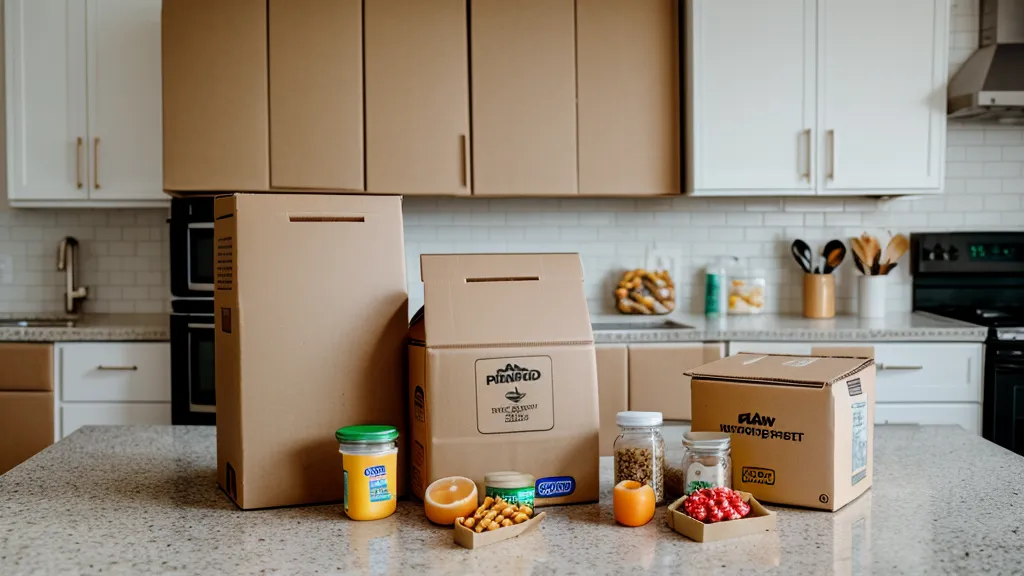
By the time the weather turns humid enough to make anyone dread the stove, most rotations start showing their age. The same three boxes on repeat stop feeling like a system and start feeling like a rut, which is as good a signal as any to pause everything for a stretch and let dinner get simpler for a while, with a grill, a picnic, whatever requires the least thought. I've written separately about how that kind of Tuesday night rotation holds up once the school-year schedule comes back and the slack disappears.
So here's the actual comparison, stripped of brand names: a standing fallback order makes sense for exactly one bad week, the week you genuinely can't plan around. It stops making sense the moment it's covering more than one dinner a week, because at that point you're not falling back on it, you're running on it. That's when an actively managed rotation, with its five-day deadlines and its pause button, earns the extra ten minutes a week it costs you. Being a project manager for your own kitchen isn't glamorous, but it beats discovering, again, that the pizza place has your number memorized.