
A Thrive Market membership renews once a year, in one lump charge, months before you know whether it actually beats the shelves at your regular grocery store. That single number is the whole decision for a lot of families weighing a pantry-staples subscription service against their normal budgeting habits — not the branding, not the app, just whether the math clears before the year runs out.
Quick disclosure before any of that: some of the links below, including the ones for Thrive Market, Home Chef, Blue Apron and Tempo, are affiliate links. I get a small commission if you sign up, at no extra cost to you, and I only link to services our household has actually used.
My coworker Cleo Rutkowski asked me the same question one Saturday at the Tenney Park playground, Lake Mendota flat and gray behind the swings while our kids fought over whose turn it was on the good one: was the Thrive Market membership actually worth it, or just one more charge stacked onto the meal kit rotation? Cleo's the one I text first when a box shows up short an ingredient, so the guess wasn't far off from what our kitchen math usually looks like.
The Annual Fee, Before You've Used Anything
Here's the actual criterion behind a Thrive Market membership, the one that matters more than any recipe photo or dietary filter count: does the annual fee amortize against what you're already spending on pantry staples, or does it just sit there as a new charge stacked on top of everything else?
Before Thrive entered the rotation, I'd tried batch-cooking a full week of dinners every Sunday, prepping everything so the weeknights would just be reheating. That plan held up fine through Tuesday. By Thursday I was standing at the stove with no ideas left, staring down the same three proteins and reaching for cereal instead. The actual gap wasn't the failed batch-cook itself, but the stretch between Home Chef deliveries, the week I hadn't restocked and there was nothing left to backstop dinner.
That backstop lives in a kitchen that's seen better days — a galley layout that opens straight onto the mudroom where the backpacks pile up every afternoon, black countertops with a strip near the stove worn pale from years of the same pot sliding on and off the burner, one corner tile by the fridge that's cracked and catches your heel if you're not paying attention. The kids' artwork rotates above the microwave every school year, and the pantry door hasn't shut flush since the frame warped, so it never quite closes all the way no matter how hard you push it. Whatever gets stocked has to survive in that pantry, not in a marketing photo.

How Thrive Fits Around the Meal Kit Rotation
I got into the weeds on the rotation itself in the Home Chef vs Blue Apron comparison, so I won't repeat all of that here — but the short version is that Blue Apron and Tempo by Home Chef both leave the same kind of gap Home Chef does: they cover the main dinners, not the in-between staples. Thrive isn't competing with any of them. It's filling the shelf-stable space they don't touch.
A reader named Augustin Guerrero emailed after that piece, and he tracks something specific: whether a kit needs his active attention at the stove or whether it's genuinely hands-off oven time, which is its own axis entirely from what anything costs. That's a fair distinction, and it's part of why a cost comparison like this one only tells half the story. Whether a box's promised prep time survives an actual Tuesday is a different question than the receipt. Whether the kids will eat what shows up, without a renegotiation at the table, is a separate scorecard. Portion sizes matching what the box promises, how easily a subscription pauses when travel or a sick week hits, whether dinner logistics actually get easier on a normal weeknight, and whether you want something reheated versus something cooked from raw — those are each their own audit, and this one is strictly about the money.
How Thrive Market Stacks Up Against the Grocery Store
On plain staples — flour, sugar, canned beans, the stuff every household buys — Thrive runs competitive but not always the cheapest, especially if you're willing to chase store-brand sales at a regular grocery store. Where it actually pulls ahead is on the narrower stuff: the allergen-friendly snacks the kids will actually eat, the specific cleaners that don't set off a reaction, the items that would otherwise mean a drive to a specialty shop across town. On that narrower list, the gap between Thrive's price and the regular store isn't close.
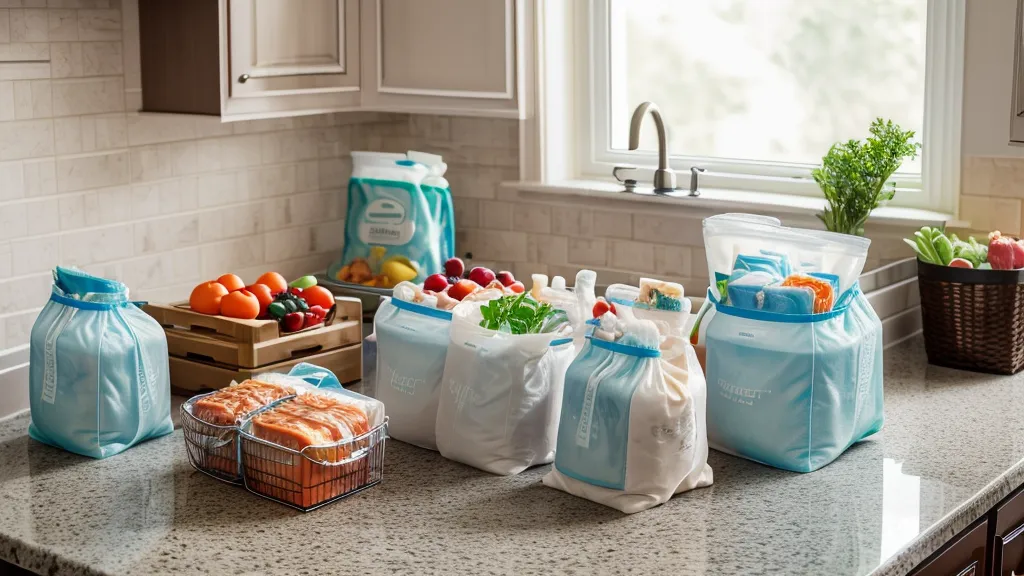
The moment it stopped being a spreadsheet argument for me was smaller than any of that. My youngest spotted the blue delivery bag sitting on the counter before I'd even said what was inside, and she was already halfway across the kitchen, pointing and grinning like the day had gotten better without warning. That's not a line item anywhere, but it's the reason the membership stayed active past the first renewal.

The Free-Shipping Math That Makes or Breaks the Membership
Free shipping kicks in at a fairly modest order total — which sounds like a low bar until you're only ordering one jar of specialty nut butter and watching the shipping fee eat half of what you saved. Bundle the order — oils, snack bars, school lunch staples — and a family of four clears that threshold most months without trying. Shop it item by item instead, the way you'd grab one thing from a regular store on the way home, and the math falls apart fast.

The Membership Pays for Itself Around Order Three or Four
The break-even point, in my experience, lands around the third or fourth order — that's usually when the accumulated savings on the niche items catch up to the membership fee itself. The Thrive Market checkout works like a running total you can edit before you commit, which matters more than it sounds. Every trip to a physical store, I come home with three things I didn't plan on and forget two I actually needed. A cart I can review and prune before paying doesn't have that problem.
More than ninety dietary and allergen filters sit behind that cart too, which turns a label-reading chore into three clicks when you're checking for something specific. None of that makes me a nutrition expert, and I'm not one — if a household is managing a real allergy or a medical dietary need, that's a conversation for a pediatrician or a registered dietitian, not a filter on a grocery app.

Skip the Membership If This Sounds Like Your Pantry
Skip it if the household eats a fairly standard diet and there's time most weeks to chase sales at a high-volume regular grocery store — the membership fee just becomes another recurring charge without enough niche spending to offset it. Keep it if the pantry gaps are a real recurring problem and there's no time to hunt for deals. We still lean on Home Chef for the actual dinners; Thrive is strictly the layer underneath that keeps the shelves from going empty.
None of this requires a spreadsheet or a tracked receipt, just an honest look at what's already going into the cart most months. If the niche staples and allergen-friendly swaps already make up a real chunk of the grocery budget, the math for Thrive Market usually works itself out inside a season. If they don't, the regular store is still the better bet, no membership required.