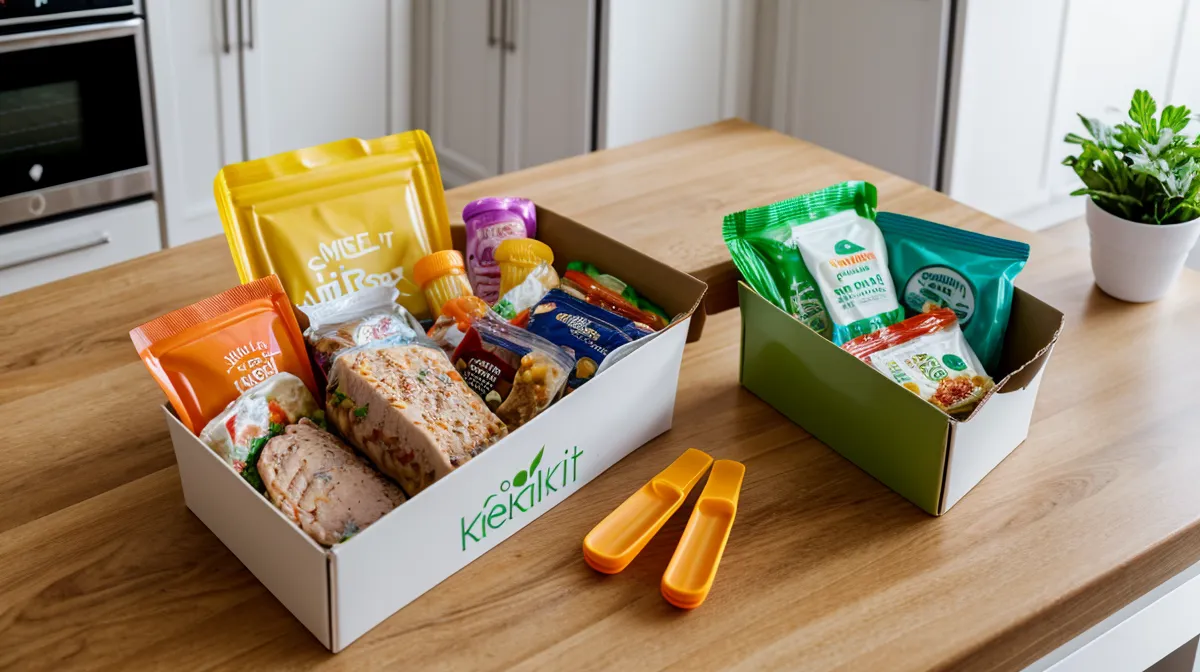
What do you actually put in front of two kids when both parents are still pinned to a call and the fridge has nothing thawed? That question is the whole reason this house ended up running a meal kit rotation instead of picking one box and hoping for the best, and it's the question Tempo by Home Chef answers better than almost anything else in that rotation.
Quick disclosure up front: the product links on this page are affiliate links, and if you sign up through one, this site earns a commission at no extra cost to you. Every comparison here comes from actually rotating between these boxes at home, not from a press kit, and any working-parent hack on this site only counts if it's honest about what fails too. That's the short version of this Tempo by Home Chef review: Tempo by Home Chef here covers the adult dinner on the worst nights, and nothing else in the rotation does that job as well.
Is Tempo Actually a Four-Minute Dinner, or Marketing Math?
We started leaning on Tempo by Home Chef heavily once the standing Home Chef boxes stopped covering everything on their own — the standard rotation covers a wide range of recipes each week, but even the fastest labeled options there still meant a cutting board, a pan, and one of us wrestling a vacuum-sealed protein pack until it finally gave with a sharp little pop. That gap is why a second, smaller subscription earns a permanent spot here — this whole approach runs on subscription management, pausing and swapping boxes as the week changes instead of betting everything on one kit.
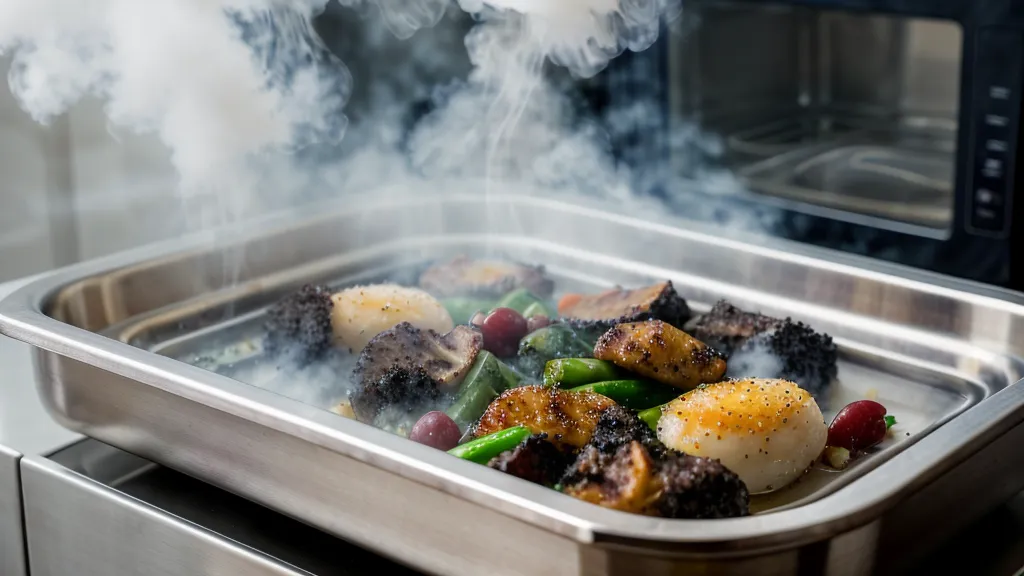
Every tray in a Tempo box is sealed, single-serve, and made from CPET plastic built to go straight from the fridge into a microwave without warping — that's as far as I'll go into the material itself, since what actually makes a tray oven-safe is a different post's job. What matters on a rough Tuesday is simpler: no knife, no cutting board, no loose vegetable rolling around the bottom of the box. Four minutes into the microwave, the film vent lets a thin whistle of steam escape, and that's the entire cooking process, start to finish. I still check that the center is steaming hot before either of us eats it, not because Tempo has ever been an issue, just because that's not a step worth skipping. Whether a kit's stated prep time survives contact with an actual kitchen is something this site keeps circling back to across every box tried — Tempo is the rare one where the number on the label and the number on the clock line up.
That reliability is exactly why Tempo meals function as this house's emergency failover, not a full dinner solution, just the thing that's ready when "fed" is the only metric that matters that night.
What Actually Ships Inside the Box
Unboxing a Tempo shipment is nothing like unboxing a standard kit. There's no loose garlic clove hiding in the packaging and no protein pack that leaked into the ice on the trip from the porch to the counter. Everything sits in its own sealed tray, and the gel packs around them keep things properly cold even after a box sits outside a while longer than planned, reliable enough that food safety isn't something I have to think about mid-bug-report. The tradeoff is portion size: this site has weighed portion accuracy across kits elsewhere, and the short version here is that a single Tempo tray is sized for one adult, not a family plate. You also lose the ability to adjust anything once it's sealed. You can't hold the sauce or swap a side the way you can with a Blue Apron recipe — a sealed tray is a sealed tray.
The Kids Don't Get These Trays, and That's the Point
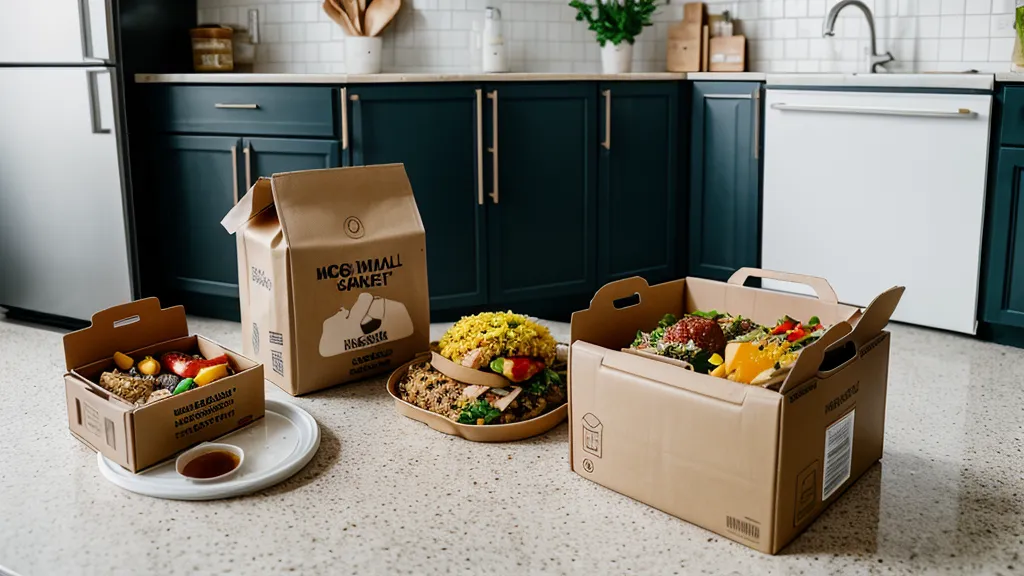
Short answer: no, and that's by design. Tempo trays run spicier and saucier than a picky elementary-schooler wants, and the portions are built for one grown adult finishing a call, not two kids splitting a plate. This site has already gone deep on kid acceptance rates across the family-friendly boxes; Home Chef is the one that earns that job in this house, not Tempo. The Tuesday broccoli disappeared off both kids' plates before I'd even sat down, and the younger one asked for a second helping — that was a Home Chef night, not a Tempo one. Anyone wanting the full comparison of how Home Chef and Blue Apron each handle a household with real kids at the table can find it in Home Chef vs Blue Apron. Blue Apron is better saved for a weekend when there's actual time to let a kid help with something.
A Reader Asks About Dietary Restrictions
A reader named Priti Mehrotra emailed a version of this question a while back: what happens when dietary restrictions already knock out roughly a third of any kit's weekly menu before you've even opened the app to pick meals? Tempo doesn't solve that on its own — the menu rotation is smaller than the full Home Chef lineup, so if a third of it is already off the table, the remaining choices shrink fast. What it does solve is the one meal a week where there's no energy left to plan around restrictions at all; you pick from whatever's left that fits, and it's ready before the microwave timer even feels long. For the days in between, when there's more room to plan around a restricted menu, these quick healthy lunch ideas for hybrid work from home days tend to fill the gap better than another dinner box.
The Subscription Stack Behind the Rotation
Before settling into this stack, the tech-solution route came first: a meal-planning app with a gamified streak, the kind that guilts you with a little flame icon if you miss a day. It lasted twelve days. Nobody wants a notification shaming them for skipping a plan after a long shift, and one busy weekend was all it took to break the streak for good. Running several smaller subscriptions turned out to do what the app couldn't, because each one only has to be good at one job. Blue Apron is for the weekend when there's time to actually teach a kid to zest a lemon. Home Chef is the weeknight base, cooked from mostly-prepped ingredients rather than fully from scratch. The prepared-versus-scratch tradeoff is its own topic, but the short version is that prepped ingredients buy back time without buying back much flavor. And Tempo is the failover for the nights the calls run long. Pausing any one of these when travel or a slow month gets in the way takes a couple of taps, not an email chain, and that pause-and-resume flexibility is really what makes running three subscriptions at once sustainable instead of chaotic. The weeknight logistics of syncing three delivery schedules against two calendars is its own puzzle, one this site has picked apart elsewhere — the short takeaway here is just that it's worth the hassle. On the weeks a box shows up short or a queue lapses without anyone noticing, a rotisserie chicken from the Trader Joe's on University Avenue closes the gap well enough that nobody at the table notices the difference.
The Weeknight Rotation, Side by Side
None of this is tested against marketing photos — it's tested against actual Tuesday-night chaos in one hybrid-working household. Here's how the four boxes currently in rotation stack up.
| Service | Role in Our House | Real Prep Time | Kid Approval |
|---|---|---|---|
| Tempo by Home Chef | Emergency Late-Night Failover | 4-5 Minutes | Low (Spicy/Saucy) |
| Home Chef | Standard Weeknight Base | 30-40 Minutes | High (Picky-friendly) |
| Blue Apron | Weekend 'Discovery' Meals | 45-60 Minutes | Moderate (Hit or Miss) |
| Thrive Market | Pantry & Snack Backup | N/A (Grocery) | High (Snacks!) |
Tempo Earns Its Place in the Rotation
If the cereal-for-dinner cycle sounds familiar, Tempo by Home Chef is worth having on hand, not as a replacement for the family meal, but as the answer to the question this whole piece opened with. It won't turn anyone into a confident home cook, and it won't make a kindergartner suddenly ask for more vegetables. What it does is end the standing-in-front-of-an-open-fridge moment, which on the worst nights is most of the battle. A few trays stay in the fridge year-round now, right alongside the Thrive Market pantry backups, for whenever a deployment or a client call runs long. For anyone ready to stop the Tuesday spiral, give Tempo a try here — it earns its place in the rotation for one job, and it does that job well.