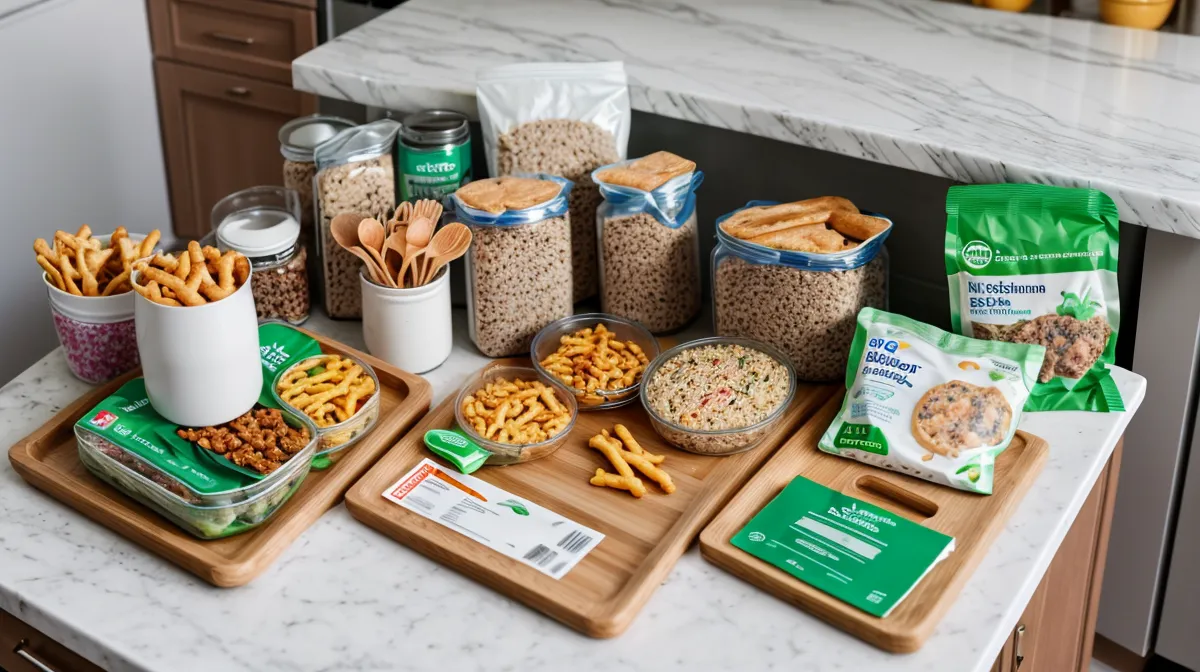
It was one humid evening last July, the kind where the Wisconsin air feels like a damp wool blanket, and I was standing in my kitchen staring at a box of Mediterranean Salmon. The youngest was already in pajamas, my older kid was poking at a loose tooth, and I was mentally calculating how I’d managed to fail a basic logic gate. The box had arrived because I’d missed the 5-day skip window during a hectic vacation week. It was a 15-pound reminder that even with a QA engineer’s brain, subscription fatigue is a real, documented bug in the family dinner OS.
Since I transitioned to meal kits in spring 2023—after a particularly grim Tuesday where both my husband and I got trapped in late client calls and the kids ate dry Cheerios for dinner—I’ve rotated through six different services. In that time, I’ve learned that the marketing photos of pristine kitchens and 15-minute prep times are essentially the 'demo version' of the software. Real life, especially mid-winter in Madison when the sun sets at 4:00 PM and the soccer schedule is a nightmare, requires a much more robust deployment strategy. I’m not a chef, and I have zero medical training—I’m just a mom who treats the weekly menu like a sprint board and has learned that 'User Error' is usually the fault of the UI, not the person holding the knife.
The 5-Day Logic Gate: Why Skipping is Your Best Defense
Most people treat the 'skip' button as a panic move. They remember it at the last second, usually while trying to ignore a Slack notification, and realize they’ve just committed to sixty dollars of food they won’t be home to cook. After a year of this, I’ve started using the skip feature as a defensive tool. Most major services have a standard 5-day skip window before the scheduled delivery. If you haven’t made a selection by then, the algorithm chooses for you—and the algorithm doesn't know your kindergartener decided he hates onions this week.
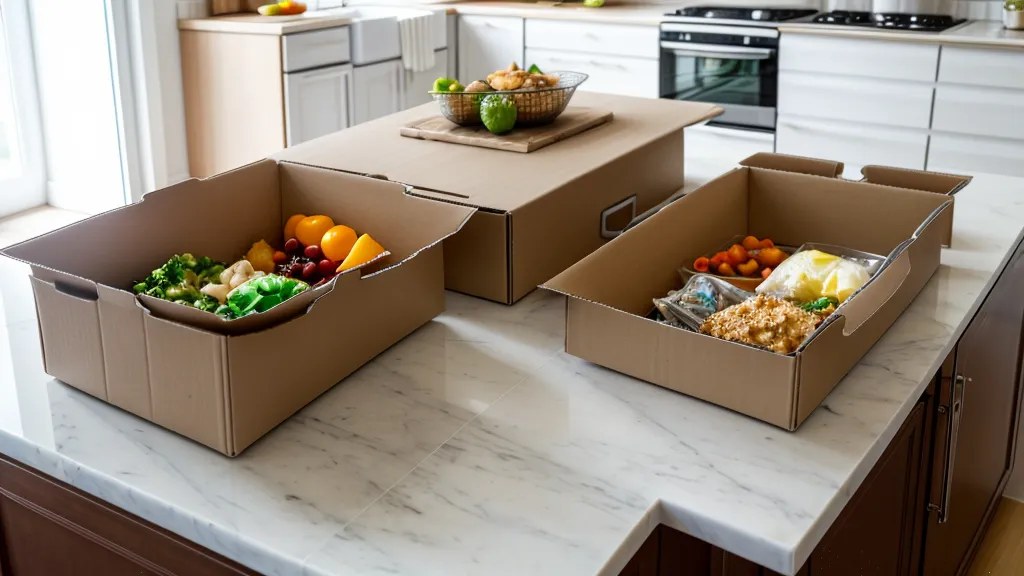
My rotation strategy involves keeping three services 'active' but paused. Every Sunday night, while I’m prepping for my hybrid days at the office, I look at the menus for the next three weeks. Most market leaders now offer about 45 recipe options per week, which is great for variety but terrible for decision paralysis. I don’t pick the 'best' meals; I pick the meals that fit the logistics of our specific Tuesday-night chaos. If the week looks heavy on meetings that should have been emails, I skip the kits that require 'finely dicing' anything more complex than a scallion. I've learned the hard way that a '10-minute prep' claim is often a total fabrication. My QA brain screams 'User Error' when a recipe says ten minutes but requires peeling and dicing three separate root vegetables—that’s not a recipe; that’s an unpaid internship.
The Price-Per-Serving Trap and Grocery Waste
There’s a common trap in the meal-kit world: choosing a service based solely on the lowest price per serving. When you’re looking at standard serving sizes of 4 for a family plan, a two-dollar difference per plate feels like it should matter. But here is the unsentimental truth I’ve discovered after nine months of testing: the 'cheaper' kits often rely on you having more pantry staples or doing more manual labor. They also tend to have more 'filler' ingredients that my kids end up pushing around the plate.
I’ve actually found that kits with higher base prices often reduce our overall grocery waste costs by more than the difference in the subscription price. When a kit provides exactly the tablespoon of garam masala or the tiny tub of crème fraîche I need, I’m not buying a full-sized jar at the store that will sit in the back of the fridge until it becomes a science project. For families with specific needs, like we found when researching Home Chef Customizer Options for Families with Very Picky Eaters, paying a bit more for the ability to swap a protein or skip a side saves us from the 'emergency pizza' order that costs twice as much as the meal kit ever did.
The Sensory Reality of the Madison Porch
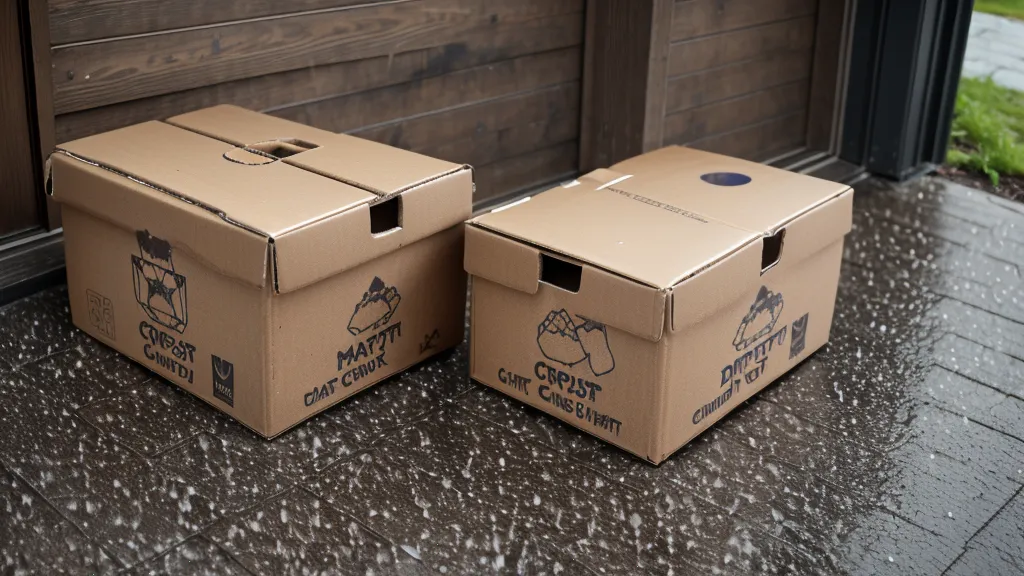
One thing the marketing photos never show is the reality of the delivery itself. Last autumn, during a particularly rainy stretch, I came home to the specific, heavy thud of a 15-pound box hitting the porch and the smell of damp cardboard. If you’re not careful with your rotation, these boxes start to feel like an obligation rather than a help. By mid-winter, the novelty had worn off, and I found myself staring at the insulation—which ranges from curbside-recyclable paper to that annoying #4 plastic film—wishing the food would just cook itself.
This is where the 'intentional abandonment' strategy comes in. About every three months, I stop using a service entirely. I don't cancel, I just skip for four weeks straight. Eventually, the 'we miss you' discount emails start hitting my inbox. These discounts are more predictable than my kids' sleep schedules. By rotating between services this way, I’m almost always running on some kind of 'welcome back' credit. It offsets the cost of the higher-end kits that actually keep the 'cereal for dinner' emergencies at bay. If you're struggling with the mechanics of this, I previously broke down the Mastering the Skip: A QA Engineer’s Logic for Managing Meal Kit Subscriptions, which goes deeper into the calendar-blocking I use.
Transitioning Through the Seasons
Our needs shifted significantly between late autumn 2025 and this past mid-summer. In the winter, I wanted heavy stews and things that stayed in the oven for forty minutes while I finished a report. By early spring, as soccer practice ramped up, I needed 'assembly-only' kits. Just before summer break, I realized I’d become so reliant on the kits that our pantry was basically empty. That’s when I started using the subscription safety net of Thrive Market to bridge the gap during the weeks I intentionally skipped the kits to reset our budget.
Treating dinner like a software deployment schedule—with a clear 'go/no-go' decision made five days out—has reduced the mental load of being a working parent. It’s not about being a gourmet; it’s about making sure that when 5:30 PM hits and the youngest is having a meltdown over a lost sock, the answer to 'what's for dinner?' is already sitting in a box in the fridge, rather than a question mark that leads to the cereal aisle. Just remember to check with your own pediatrician or a professional if you're worried about your kids' specific nutritional gaps; I'm just here for the logistics.
The Final Sprint: Is the Rotation Worth It?
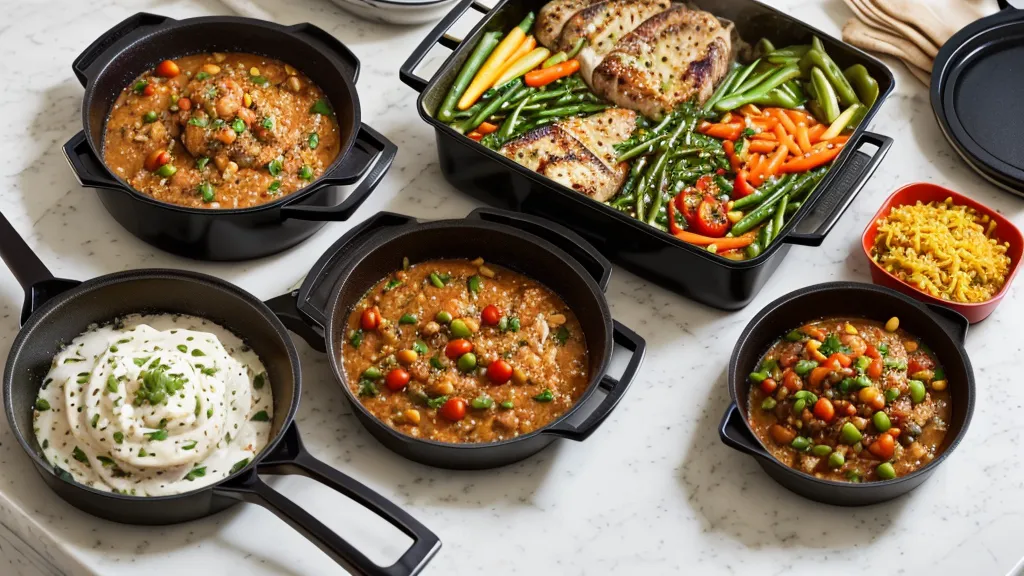
After a year of this, the 'fatigue' only sets in when I stop managing the system and let the system manage me. The moment I stop looking at the menus is the moment the 'Mediterranean Salmon' shows up on a night I wanted tacos. My advice is to keep your rotation tight, use your skip button like a shield, and never trust a '15-minute' recipe that doesn't account for the time it takes to find the vegetable peeler in a cluttered drawer. It hasn't turned my kitchen into a five-star restaurant, but it has kept us from having a 'cereal-only' Tuesday for months, and in this house, that’s a successful build.