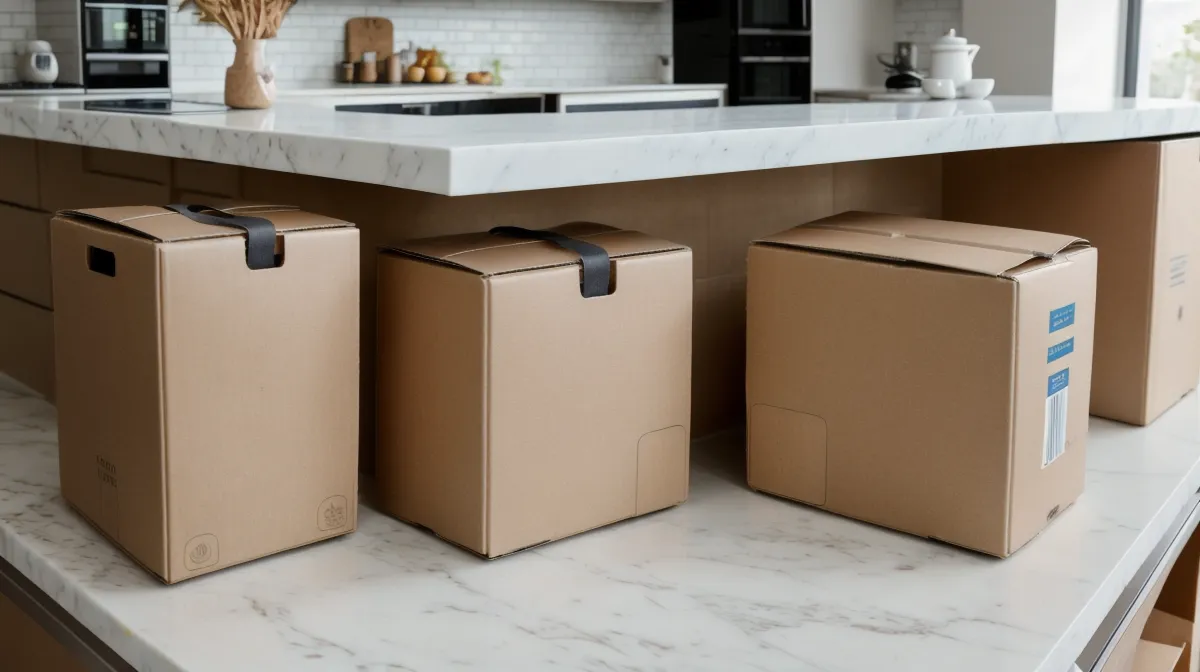
One evening on a snowy Tuesday last February, the kitchen was silent except for the sound of my oldest eating dry Cheerios while I finished a bug report. It was the moment I realized my hybrid schedule had officially outpaced my ability to grocery shop. My youngest was already in pajamas, my husband was still on a client call in the basement, and I was staring at a refrigerator that contained half a lime and a jar of pickles. That was the 'system failure' that led me to treat our dinner rotation like a software test.
Before we dive into the logistics of how we survived the last six months, a quick heads-up: every meal kit link on this page is an affiliate link. If you click one and sign up, I earn a commission at no extra cost to you. I have personally tested every service mentioned here through dozens of Madison Tuesdays—from the wins to the raw shrimp disasters—and I'm sharing the results because I know exactly what it's like to be the parent who forgot that grocery stores don't restock themselves.
The Software QA Approach to the Dinner Rush
As a QA engineer, I don't trust marketing photos. I trust edge cases. In my world, a '30-minute meal' is a requirement that needs to be validated against a real-world environment—one with a kindergarten teacher’s email notification popping up and a child who suddenly decided he hates onions. Since spring 2023, I’ve rotated through six services, but as we moved from late autumn 2025 through the end of August 2026, I narrowed it down to a core four-kit strategy. Our family unit composition is pretty standard—2 adults and 2 children—but our schedule is anything but.
I started The Rotation Strategy because no single kit handles every phase of the school year. The kit that works during a mid-May software release cycle, when I’m working ten-hour days, is not the same kit I want during a late July heatwave when the kids are home and I actually have the headspace to chop a carrot. Most services require you to finalize selections 5 to 7 days before delivery, which means managing these subscriptions has become a Sunday night ritual, right next to checking the school calendar for 'pajama day' or field trips.
The Tuesday Night Workhorse: Why Home Chef Stays in the Lead
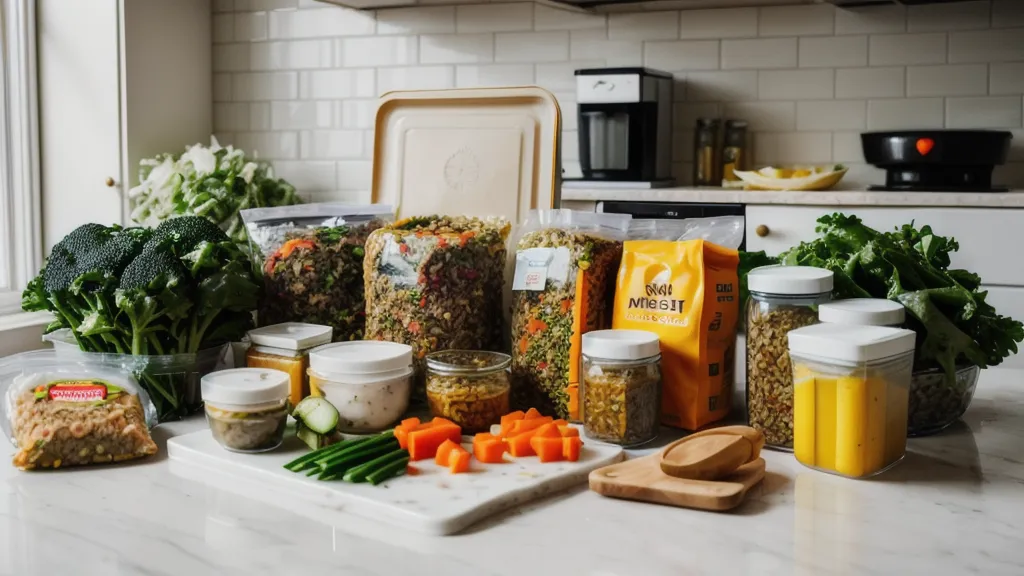
If I had to pick an 'Editor’s Pick' for pure survival, it’s Home Chef. They offer a weekly menu variety of 12 to 15 recipes, which is enough to keep us from getting bored but not so many that I get 'decision fatigue' during my lunch break. What actually won me over, though, were the labels. When I see that '15-minute meal' tag on a bag after a grueling eight-hour sprint of documentation and meetings, I feel a literal drop in my shoulder tension. It’s the difference between a productive afternoon and a total meltdown.
I’ve learned that their time claims are the only ones that don't feel like 'the meeting that was supposed to be an email.' If it says 15 minutes, it means the heavy lifting—the chopping, the sauce-making—is already done. I remember the sharp, clean scent of pre-chopped ginger hitting a hot pan while my youngest tried to explain a playground dispute over my shoulder. I didn't have to peel the ginger. I didn't have to find the grater. I just cooked. For a hybrid worker in Madison who is often toggling between a Jira ticket and a frying pan, those saved minutes are everything.
However, I have to be upfront: I am not a chef or a nutritionist. These takes come from one household's dinner rotation, not a clinical study. If you have serious medical concerns or are managing IBS, you should definitely consult a professional before relying on any subscription box. I’ve noticed that while these kits are great for general convenience, they can be a minefield for people with restrictive medical diets like low-FODMAP or severe allergies. Most standard meal kit boxes use insulated liners and gel packs designed to keep things safe for 24-48 hours on a doorstep, but cross-contamination in the packing facilities is a real risk that the marketing glosses over. If a stray peanut could send someone in your house to the ER, these broad-market kits might not be the safety net you need.
When the Microwave is the Only Solution
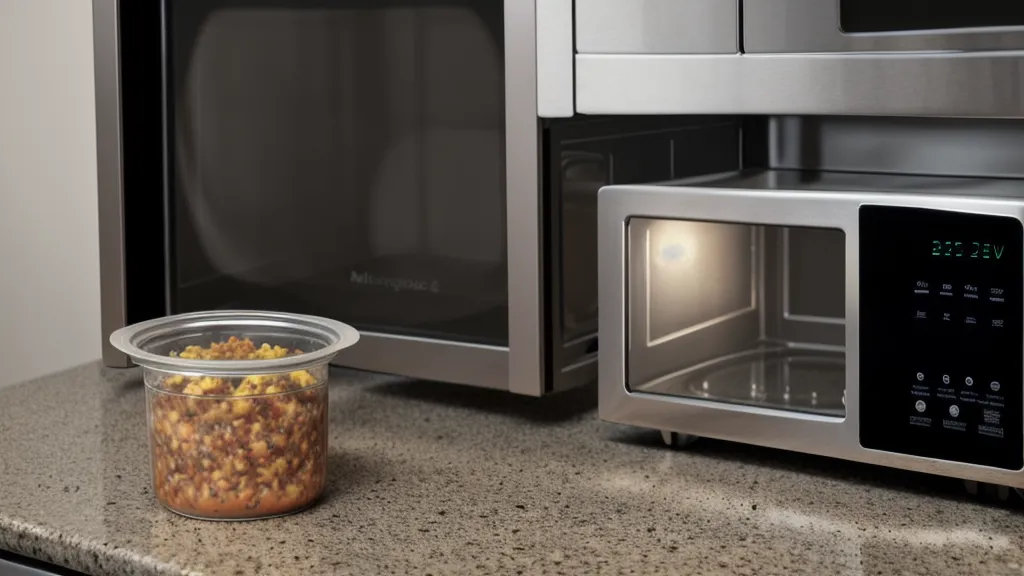
There are weeks where even 15 minutes of prep is a bridge too far. During that mid-May software release cycle, I leaned heavily on Tempo by Home Chef. These are single-serve, microwave-first entrees. They aren't 'family style,' but they are the survival strategy for the parent eating at 8:30 PM after a late client call. You can read more about my experience in this Tempo by Home Chef Review.
The math is simple: no cutting board plus no dishes equals a parent who might actually get seven hours of sleep. While the portion sizes are smaller than the standard cook-from-scratch boxes, they fill the gap when the alternative is a bowl of cereal. We use them as the 'break glass in case of emergency' option. I keep a few in the back of the fridge for those nights when the older kid declares he hates everything I've cooked and I just need him to eat *something* before bed.
The Failure Mode: The Raw Shrimp Incident
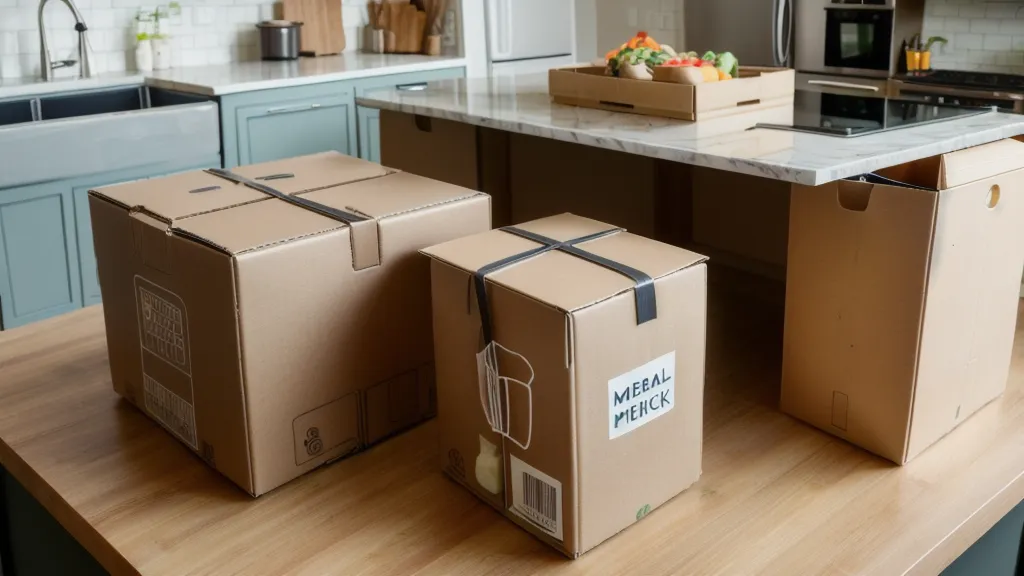
Even with a QA mindset, human error is the biggest bug in the system. Earlier this year, during a rare week off, I forgot to hit 'skip' on my Blue Apron subscription. We were heading out of town, and I realized it while we were already halfway to the dells. I had to frantically text a neighbor to go onto our porch and take forty dollars worth of raw shrimp and a bunch of kale. It was a humiliating reminder that these services are only as good as the person managing the app.
Blue Apron is our 'discovery' box—the one we resume when we want to feel like adults who eat real food. But it has a high friction cost. I’ve sat there staring at a recipe card for Pan-Seared Duck and thinking, 'My six-year-old thinks ketchup is a vegetable; we are absolutely not cooking this tonight.' On a Tuesday after soccer practice, a duck breast is just a recipe for a tantrum. We’ve learned to save the 'fancy' kits for the first week of kindergarten or other times when we want to celebrate, but for the day-to-day, we need something that requires less brainpower. If you're struggling with the mental load, I highly recommend checking out my Subscription Safety Net guide for using pantry staples to bridge those gaps.
Survival Logistics and the Heatwave Test
Late July in Wisconsin can be brutal, and the last thing I want to do is turn on the oven. This is where the rotation becomes a tactical advantage. We look for kits that offer 'no-cook' or 'grill-ready' options. It’s also when I’m most grateful for those insulated liners. Even when the Madison humidity is hitting its peak, the boxes usually hold up for that 24-hour window on the porch. But I don't push it; if the box sits out past dinner time, I'm checking every protein with a thermometer. I’m a QA engineer—I don't ship code with bugs, and I don't serve chicken that's been sitting in 90-degree heat.
We also supplement with Thrive Market for healthy kid snacks and pantry backups. It’s not a meal kit, but it’s the infrastructure that keeps the meal kits from failing. When a kit arrives and they’ve forgotten the garlic (it happens more than you’d think), having a back-stock of organic staples keeps the evening from spiraling into a takeout run. It’s about building a system that can handle a single point of failure.
Final Verdict from the Madison Kitchen
After a year of pausing, resuming, and occasionally forgetting to skip, I’ve realized that meal kits aren't about becoming a better cook. They are a logistics solution for a phase of life where time is the most expensive thing we own. We aren't trying to win any culinary awards; we're just trying to get through a Tuesday without anyone crying over a bowl of Cheerios.
If you're looking to start your own rotation, I'd suggest starting with Home Chef for their reliability and those life-saving 15-minute labels. Just remember to set a calendar alert for your 'skip' dates—your neighbors can only eat so much of your accidental shrimp. If things get overwhelming, don't be afraid to cancel for a month and reset. I’m not a professional, just a mom in Madison who has spent too many nights staring at a recipe card while my kids argue about LEGOs. Trust your gut, watch your delivery dates, and always keep a backup jar of pasta sauce in the pantry. Talk to your own pediatrician if you're worried about your kids' nutrition, but for the rest of us, sometimes 'fed' is the only metric that matters.
Ready to reclaim your Tuesday nights? You can check out the current menu at Home Chef and see if those 15-minute meals are the bug-fix your family dinner rotation needs.