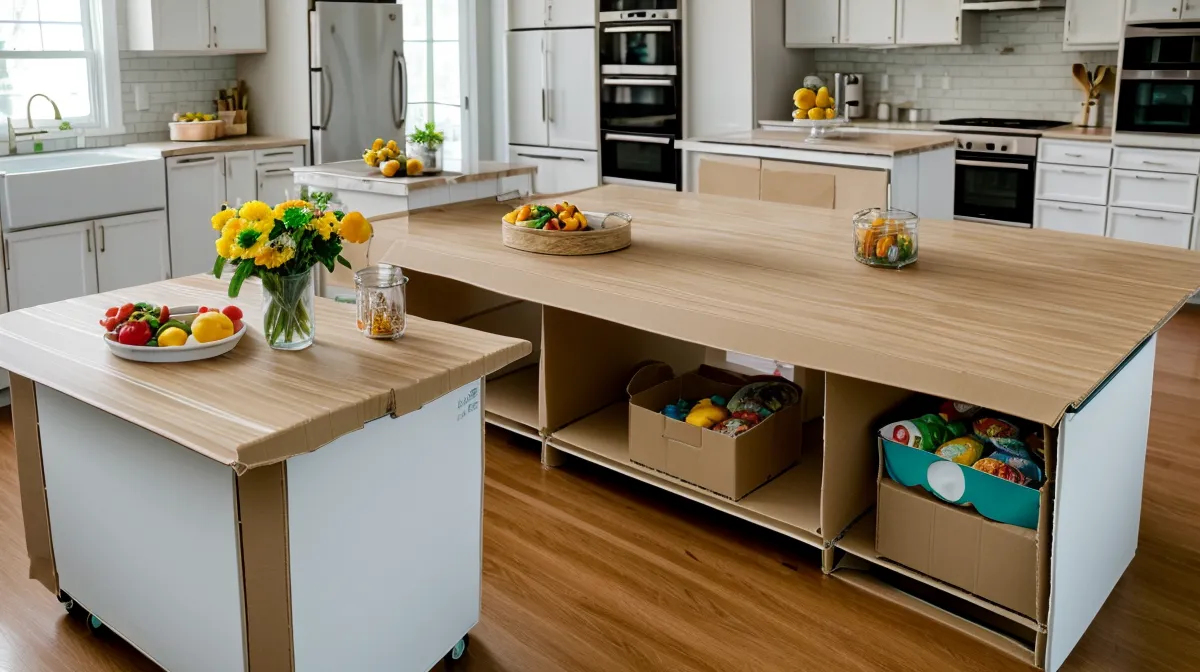
One evening last winter, the kids were already in pajamas and the sound of a near-empty cereal box rattling into a plastic bowl reminded me why I started meal kits in the first place. It was a failure of the deployment pipeline—a late client call had pushed my husband past his limit, and I was still stuck in a 'quick' sync that ended up being the meeting that should have been an email.
Before we dive into the logistics of how I keep this house running, heads up: every meal kit link on this page is an affiliate link. If you click one and sign up, their marketing team kicks a referral payment my way. It doesn't add a cent to your price—the first-box promo stays exactly what it is—and I only keep things in the rotation that actually survive my Tuesday-night stress tests. I've personally used everything mentioned here to keep my kids from eating Cheerios for dinner for the third time in a week.
The Gap in the Deployment Pipeline
Balancing a hybrid QA role here in Madison with two kids means my kitchen runs like a software release schedule. My 180-day Wisconsin school year is the production environment, and Home Chef is usually my 'stable build.' But meal kits are rigid; they require a 5-7 day lead time for skipping or modifying orders. When I forget to unpause a subscription after a vacation or a busy spring break week, we hit a 'pantry crash' where the fridge is empty and the willpower to drive to the store is non-existent.
I started using Thrive Market not as a replacement for the dinner-in-a-box experience, but as the 'pantry backup' to survive those middle-of-the-month gaps. While services like Blue Apron are great for teaching my older kid that not everything green is poison, they don't help much when the box doesn't show up until Wednesday and it's currently Tuesday at 5:30 PM.

Testing the 'Pantry Backup' Strategy
During a hectic Tuesday evening in March, the Madison wind was rattling the kitchen window with that particular late-winter bite. I remember the specific crinkle of the heavy brown recycled paper used to wrap the Thrive glass jars as I unpacked my latest 'safety net' order. It wasn't a full meal kit with pre-portioned shallots, but it was a box of high-quality staples—pasta, sauces, and frozen proteins—that I’d ordered three days earlier when I realized I’d missed the Home Chef cutoff.
Thrive Market operates on a membership-based model rather than a per-box subscription, with 2 membership types: annual or monthly. For a household like ours that is already rotating through half a dozen services, the membership fee is a hurdle, but it starts to make sense when you realize how much time it saves in label-reading. I’m not a nutritionist—and you should definitely talk to your pediatrician before overhauling a kid's diet—but staring at the 'Paleo' filter on the app gave me a strange sense of relief during a 4 PM brain-fog. Someone else had already done the QA on the ingredients.
However, Thrive isn't magic. In late July, when the kids were home and the house felt like a constant state of entropy, I made the mistake of assuming a frozen 'family-size' entree from Thrive would feed all four of us. I realized too late it was barely enough for the two kids and a side of toast. It’s a curated grocery store, not a personal chef. If you need a true zero-effort solution for a late night, something like Tempo by Home Chef is a better bet because it’s a literal microwave-and-eat situation.
The Reality of Shelf-Life Flexibility
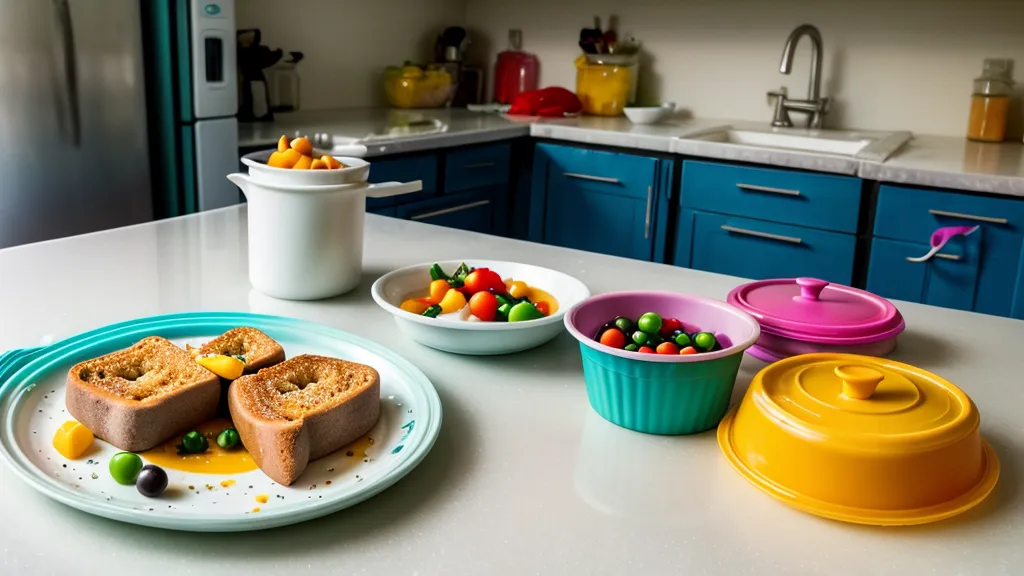
Here is the core trade-off I’ve found: meal kit subscriptions provide lower per-meal ingredient waste because you get exactly one sprig of thyme, but Thrive Market offers much higher cumulative shelf-life flexibility. When I order from the Home Chef weekly menu variety—which usually has about 12-15 options—those ingredients have a ticking clock. If a kid gets sick and we end up eating toast, that tilapia is going bad by Thursday.
Thrive is where I stock the 'emergency' proteins and boxes that don't expire. It’s the inventory strategy for subscription-fatigued households. I’ve written before about the Thrive Market membership cost versus grocery store prices, and the math only works if you actually use it to avoid the high-stress, high-cost 'panic-buying' at the local supermarket. There is a genuine physical release of tension in my shoulders when I see the Thrive box on the porch after a nine-hour shift, knowing I don't have to brave the grocery store aisles with a kindergartner who wants every candy bar in sight.
I’ve found that rotating through services works best when you have a permanent safety net. Thrive handles the gluten-free and allergen filters significantly better than my local grocery app, which is a lifesaver when you're trying to keep things healthy-ish but don't have the bandwidth to read the fine print on a sauce jar.

The Verdict: Is Thrive Market the Right Safety Net?
After six months of using Thrive to bridge the gaps—including a two-week subscription pause during our summer travels—my take is purely logistical. If you are the type of person who never forgets to manage their Home Chef queue, you might not need this. But if your life involves late client calls, soccer practice, and the occasional 'pantry crash,' it’s a solid insurance policy.
If your goal is to have a pantry that can bail you out of a Tuesday-night disaster without resorting to cereal, Thrive Market is the one to get. It’s the 'backup server' for your kitchen. But if you are looking for someone to actually tell you what’s for dinner and provide the recipe to make it happen, stick with a traditional kit. For us, keeping Thrive as a permanent fixture alongside our rotating boxes has finally stopped the 'cereal for dinner' cycle, and that's worth the membership fee alone.
Check out the current options at Thrive Market to see if it fits your backup strategy.
Thrive Market
Pros
- ✔ Excellent allergen and dietary filters for high-speed shopping
- ✔ High-quality pantry staples that outlast any meal kit
- ✔ Reliable shipping that saves a trip to the specialty grocery store
Cons
- ✗ Membership fee is an extra recurring cost
- ✗ Frozen 'family' portions can be surprisingly small
- ✗ Requires you to still do the actual meal planning