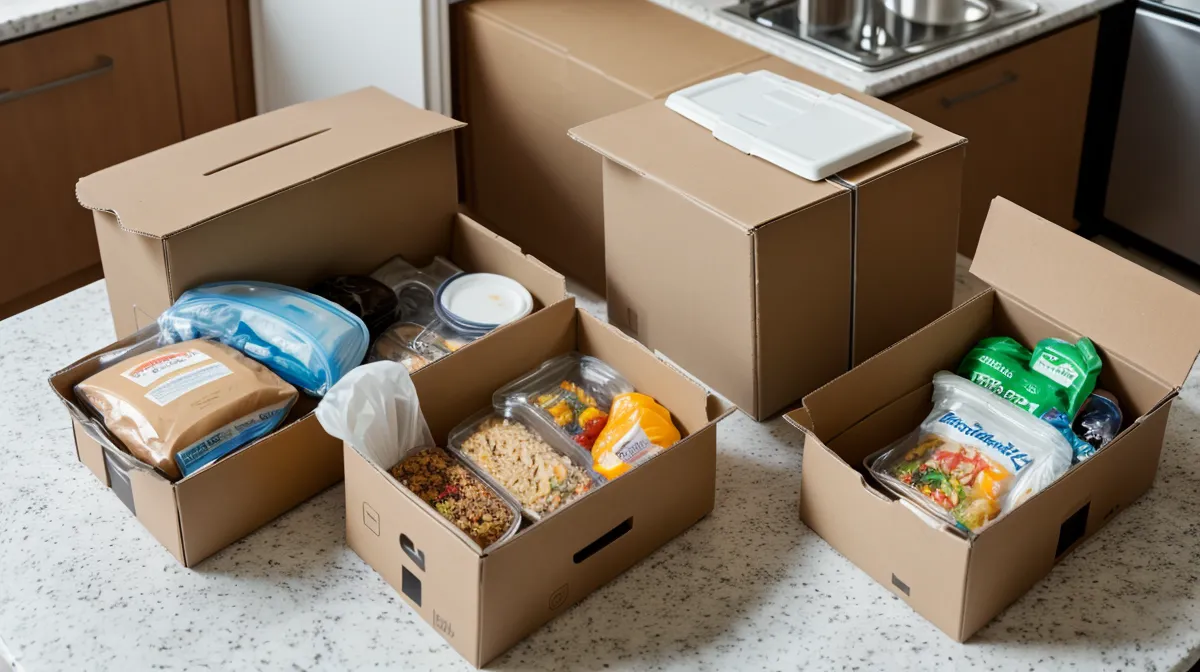
Four clicks is the bar my coworker Cleo Rutkowski sets for any subscription worth keeping, and it's become the filter behind every meal kit comparison I run in this Madison kitchen. Two boxes are competing for the same Tuesday slot right now — Home Chef and Blue Apron — and this isn't a ranked list dressed up as a decision. It's a breakdown of where the two actually split once the first-month excitement wears off, built for anyone doing the same weeknight cooking math with two kids and a hybrid schedule that never repeats the same way twice.
Quick disclosure before the framework: every meal kit and pantry link on this page pays a referral fee if you click through and sign up, at no extra cost to you — the first-box promo a kit runs stays whatever it is, link or no link. Some of the subscriptions in this kitchen's rotation got dropped after a handful of boxes, and they're still named here next to the ones that stuck, because a list that only shows the survivors isn't a family dinner solution, it's an advertisement.
The Meal-Kit Comparison Framework We Actually Use in This Kitchen
In software QA, a build that passes on day one and breaks under real traffic a month later is the whole reason regression testing exists. Meal kits have their own version of that gap. A box looks great in week one, when the novelty of a tiny balsamic glaze bottle is still doing some of the work. Once both of us are back to a full hybrid schedule, only four things actually decide whether a kit stays active: whether the label's cook time survives contact with a Tuesday, whether the kids eat what shows up without a renegotiation, whether the portions match what two adults and two kids actually need, and whether skipping a week takes one tap or an email chain. Home Chef and Blue Apron pass a different number of those four tests, and the gap is bigger than either box's marketing suggests.
Cook time is the test most kits fail first, and the realistic number behind that gap is really its own deep dive, kept separate from this one. Portion size is the quieter test — not whether a box claims to feed four, but whether it actually does without someone raiding the pantry an hour later — and that comparison also deserves more room than one paragraph here.

Blue Apron Teaches the Technique, Home Chef Wins the Tuesday
Blue Apron is the box that actually taught me how to sauté a shallot properly instead of just browning it and hoping. The sourcing is genuinely better — you can tell where the trout or the specialty grain came from, and the technique cards hold up past the first few boxes instead of getting ignored after week one. None of that helps on the night a five-year-old takes one look at a dark leafy green folded into a sauce and decides the whole plate is a lost cause. That's the real cost of a discovery box: the ingredient that makes a dish interesting for an adult palate is often the exact ingredient a kindergartner won't touch, and there's no swap button for that kind of preference once the box has already shipped.
The bigger issue by month two was time, not taste. A box labeled fifteen minutes routinely ran closer to thirty-five once you counted washing, peeling, and whatever interruption showed up halfway through. That gap between the label and the actual clock is the same gap that shows up in a meeting labeled "quick sync" — the fifteen-minute call that was supposed to be an email. Blue Apron does sell faster options that dodge most of that gap; I broke those down separately in my Blue Apron Prep and Ready Meals Review for Quick Dinners.
Does Home Chef's Flexibility Actually Hold Up Midweek?
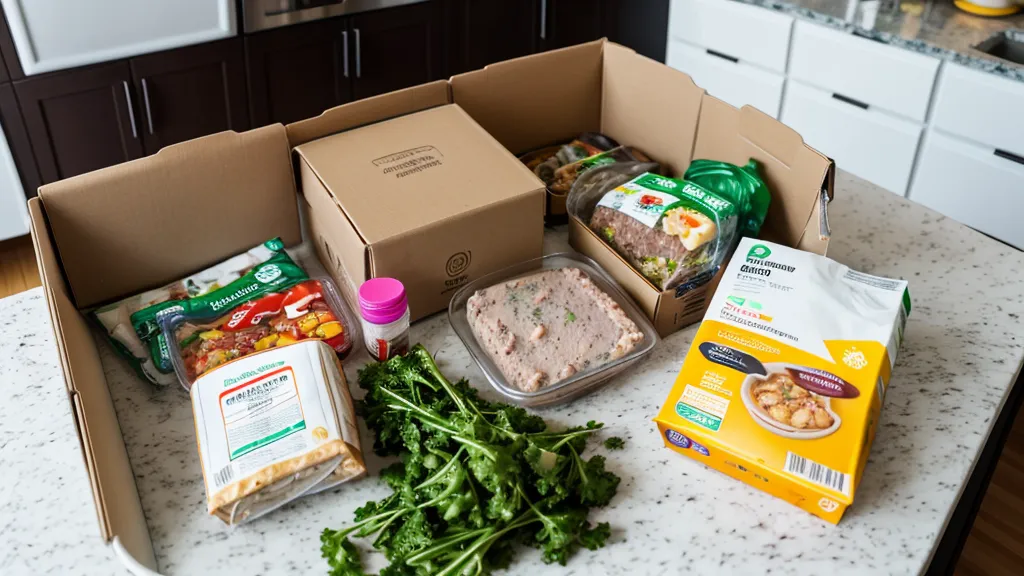
Yes, mostly because of volume and labeling, not magic. Home Chef puts twelve to fifteen recipes on the weekly menu, which means there's almost always a Fast-prep or Oven-Ready option that doesn't require babysitting a pan while also answering a work message. Those labels are closer to automated tests than marketing copy — they do what they claim without much supervision. The swap feature matters more than it sounds: if a recipe calls for pork and one adult in the house wants chicken instead, the substitution happens in the app before the box even ships, which sidesteps an argument that would otherwise happen at six on a Tuesday.
Whether a recipe actually gets eaten without a fight is a separate, kid-acceptance question, covered in more depth in my Home Chef Family Plan for picky eaters piece — worth a look if the dinner-table refusal rate is the real bottleneck in your kitchen, not the prep time.
Pausing, Skipping, and Testing the Four-Click Rule
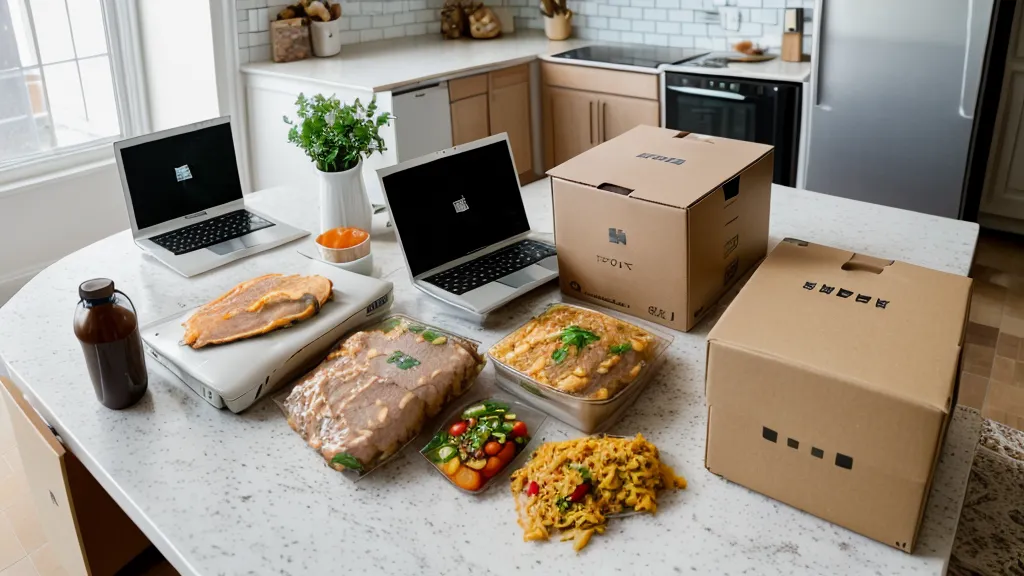
Nobody warns you that the hard part of a meal kit subscription is the admin, not the cooking. Every kit runs on a five-to-seven-day skip deadline, and missing it means a box shows up whether anyone's home to cook it or not. Cleo's four-click rule turned out to be a decent busy-parent hack for grading an app under pressure: Home Chef's pause and skip controls take about that many taps from a phone screen, even balanced on the counter near a pantry door that never quite closes flush anymore. Blue Apron gets the job done too, but it takes an extra screen or two to find the right toggle, which matters more than it sounds on a night when the only free minute sits between a work call and bath time.
The deeper mechanics of pausing or fully canceling a plan — not just skipping one week — are their own topic, one I've walked through separately for anyone trying to get out of a subscription without a five-email back-and-forth.
Weeknight Cooking Doesn't Wait for a Late Call to End
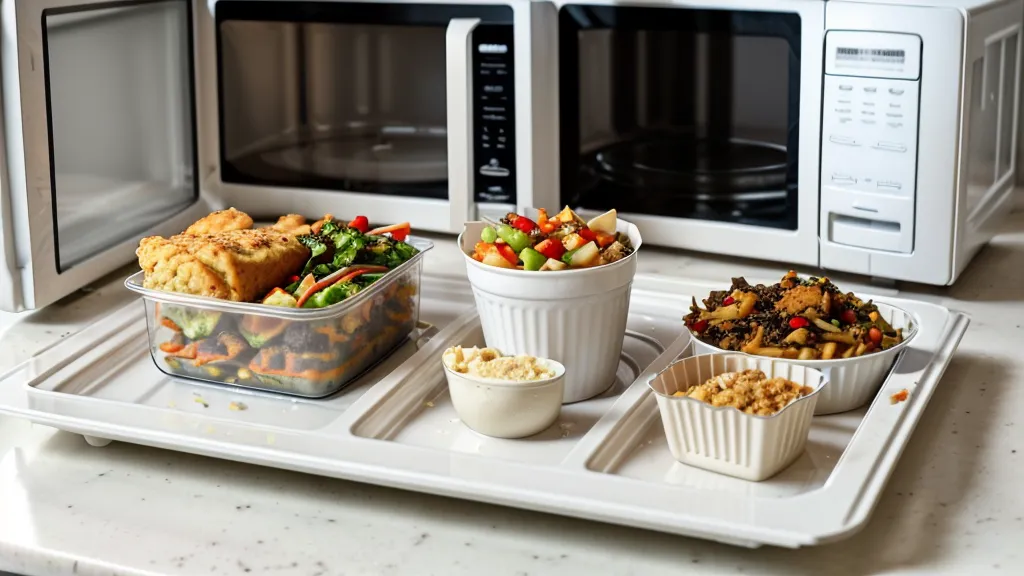
A reader named Augustin Guerrero wrote in a while back. He works evening shifts, so most of the actual cooking in his house falls to his partner, and he was trying to figure out whether a Tempo by Home Chef meal made sense just for him on the nights their schedules don't overlap. That's the real use case for Tempo: one microwave-first plate, no negotiation with anyone else's dinner, ready faster than it takes to unload a dishwasher. Peeling the waxy liner paper back from a just-opened chilled box, the kind that clings to the ice packs no matter how carefully you pull it, is honestly most of the labor involved.
Weeknight logistics — who's home, who's calling in late, whether the kids already ate — matter more than any single recipe, and that scheduling puzzle gets its own treatment elsewhere on this site.
There's also a real, worth-covering-separately difference between a prepared, microwave-ready plate and a from-scratch box with shorter steps, and conflating the two is how people end up disappointed in a kit that was never trying to be a cook-from-scratch experience. On the nights both of us are actually home before six now, dinner has stopped being something we negotiate about — it's just the next thing that happens, usually with a Home Chef box already half-unpacked on the counter.
We also keep a Thrive Market membership active for the gaps between kit weeks — the nights nobody checked the app in time and the backup is a frozen entrée or pantry staples instead of a third takeout order that month. That's covered in more detail in my Thrive Market Review for Busy Families.
The Verdict: Which Kit Earns the Recurring Slot
Before landing on this rotation, buying pre-marinated proteins from the butcher counter seemed like the fix for a slow Tuesday. It wasn't. The protein was never the hard part — figuring out two sides and getting them onto the table at the same time as the protein was, and a marinated chicken thigh doesn't solve that problem by itself.
Home Chef is the one that stays active in this house, not because the ingredients are better than Blue Apron's — they aren't, consistently — but because it clears more of the four tests on an average week: the labeled cook time is closer to true, the swap feature heads off arguments before they start, and the pause controls don't punish anyone for a schedule that changed on Monday. Tempo stays in the fridge as the backup for the nights one adult is eating alone after a call ran long. If a rotation like this fits your household better than a single subscription, starting with Home Chef and adding Tempo once the pattern of late nights becomes predictable is the order that's worked here — just build in the lead time before a skip deadline hits, because that part doesn't forgive a missed tap.