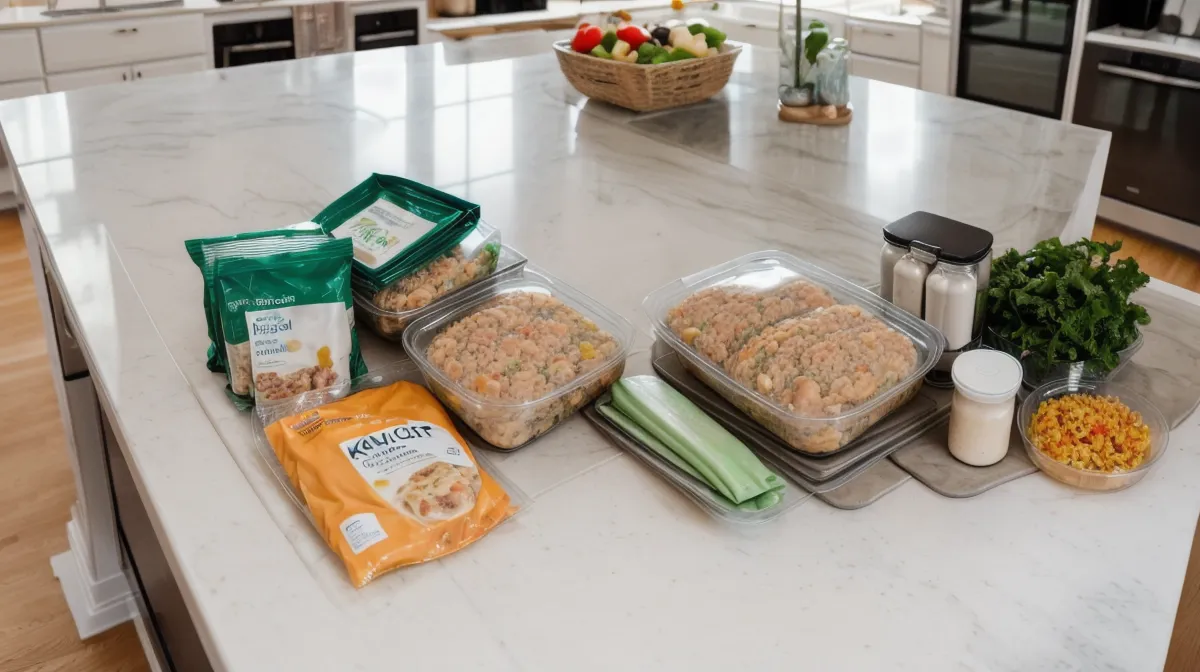
Late one evening last winter, the blue light of my monitor was the only thing keeping me awake while a regression test failed for the fourth time. The house was finally quiet, but the guilt of another 'cereal night' for the kids felt heavier than the workload. I’m a software QA engineer here in Madison, and when you combine a hybrid schedule with a kindergartener and an older kid in the Standard US elementary school range of Kindergarten through 5th grade, your dinner rotation starts to look like a high-stakes deployment.
Before the Tuesday-night recap rolls in, a quick heads-up: every meal kit link on this page is an affiliate link. If you click one and sign up, the kit's marketing team kicks a referral payment my way at no extra cost to you. I’ve personally rotated through these services for over a year, and the ones that stopped earning their spot still get listed here next to the survivors, because hiding the 'misses' doesn't help anyone's dinner rush.
The Breaking Point: From Cheerios to Subscriptions
My transition to meal kits wasn't about culinary curiosity; it was a recovery strategy. In spring 2023, we hit a breaking point. Both my husband and I got stuck on late client calls—the kind that were supposed to be thirty-minute check-ins but turned into two-hour post-mortems. I walked out of my home office to find my youngest already in pajamas and my oldest eating Cheerios at the counter. It was the technical equivalent of a total system crash. Since then, I’ve treated our kitchen like a multi-variable testing suite, rotating through six different services to see which ones actually handle a Madison Tuesday.
I’m not a chef, I have no nutrition credentials, and I’m upfront that these takes come from one tired household’s rotation. I’m just trying to automate the dinner sprint so I don’t have to debug a recipe after debugging code all day. If you're also juggling work and kids, you might find my rotation strategy for managing subscription fatigue helpful for keeping the system running.
The 15-Minute Myth: When Recipes Are 'Meetings That Should Have Been Emails'
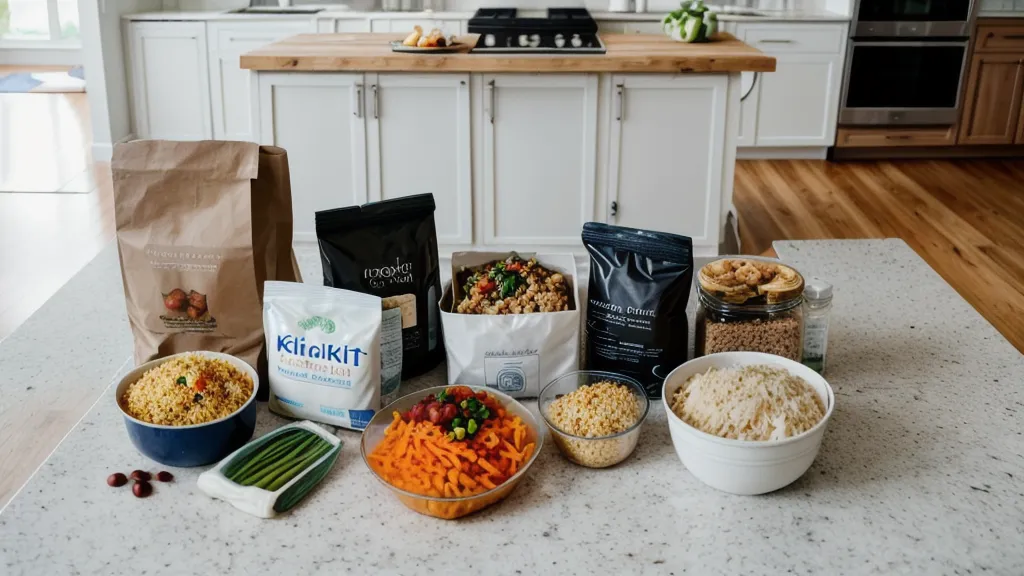
In the world of software, we have 'estimated story points.' In meal kits, we have 'prep time.' I’ve learned that a '15-minute' kit is often the meeting that was supposed to be an email—it sounds efficient until you’re actually in the thick of it. During a particularly snowy Tuesday in February, I tried a Blue Apron recipe that looked gorgeous in the marketing photos. But trying to read a technique card about 'deglazing' while two kids argue over a shared Lego set is a recipe for a production error.
Blue Apron is great for recipe discovery—the older kid actually reads the technique-teaching sleeve cards—but on a weeknight when soccer practice runs late, those extra steps feel like unoptimized code. If you're looking for something that respects your clock, Home Chef has been my 'Editor’s Pick' for a reason. Their weekly menu variety usually hits 12 to 15 recipes, and they have clear 'Fast-prep' labels. When I see that label, I know I’m not going to be chopping shallots until 8:00 PM while the kids melt down.
The Regression Test: Which Kits Hold Up Past Month Two?
Last November, during a heavy deployment push, I realized that the best kit isn't the one with the fanciest sauce; it's the one with the best 'pause' button. I’ve found that Home Chef's UI actually responds when a client call goes thirty minutes over and I need to skip next week. Most services require modifications 5 to 6 days before delivery, which is a tight window when your sprint planning changes mid-week.
I also pay attention to the logistics. Most of the insulation in these boxes is made from either recycled denim or PET, designed to keep things food-safe for 48 hours. When I’m unpacking, I’m the one sorting the Number 4 LDPE plastic bags. It’s a small frustration, but it’s part of the weekly 'maintenance' of the system. For more on the logistical side, check out my breakdown of price per serving and pause policies.
The Allergy Edge Case: Where the Standard Model Breaks
Here is where I have to be the 'QA lead' and point out a major bug in the meal kit industry: the handling of severe food allergies. If your family is managing anaphylaxis, the standard subscription model is often a 'fail.' Most reviews prioritize cost, but for families with strict cross-contamination needs, 'transparency' is the only metric that matters. Standard kits often use facilities that process everything, and their 'may contain' warnings are often too vague for comfort.
I’m not a health professional, and I have zero medical training, so you should always check with your pediatrician or allergist before introducing a new service to a high-risk household. In my experience, if you need iron-clad ingredient transparency, a true meal kit might not be the answer. I’ve found that using Thrive Market as a pantry backup works better for allergen filters. Their app lets you filter for very specific dietary needs in a way that generic kits just don't. It’s my subscription safety net for when the weekly box menu looks too risky for our specific household constraints.
Mid-August and the Back-to-School Rush
As we hit mid-August and the back-to-school rush, the 'dinner sprint' becomes even more chaotic. Between school supplies and the youngest's bath time, the moment the older kid declares he hates onions is usually the moment I want to quit. This is when I lean on Tempo by Home Chef. These are single-serve, microwave-first entrees. No cutting board, no dishes—it’s the 'hotfix' for the night nobody has the energy to even preheat the oven.
While the portion sizes are smaller than the standard Home Chef boxes, having a few of these in the fridge is the only thing that stops us from ordering takeout for the third time in a week. If you’re curious about how these stack up, I did a full Tempo vs Home Chef comparison specifically for parents who are tired of the microwave-versus-stove debate.
Managing the Tuesday Night Chaos
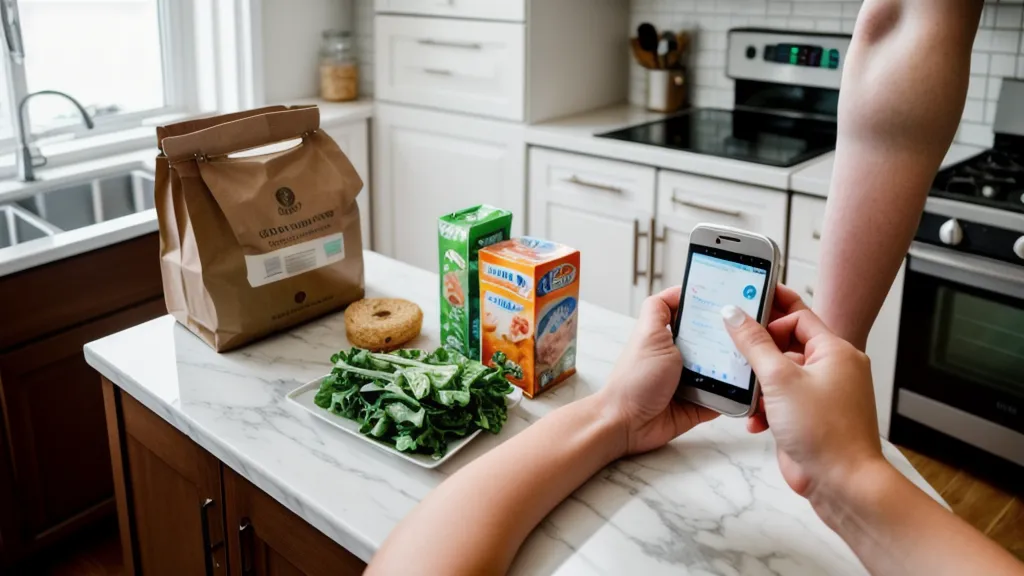
After rotating through these services from late last autumn through the end of this summer, I’ve realized that I’m not looking for a culinary masterpiece. I’m looking for a system that doesn't crash when I'm stuck in a meeting. Sometimes that means a Blue Apron box on a Friday when I actually have time to teach the kids how to zest a lemon. Other times, it’s a 'Fast-prep' Home Chef meal on a Tuesday when I’ve got ten minutes between a stand-up and soccer pickup.
The reality of a Madison winter or a busy school year is that your needs change. I’ve accepted that I’m not a chef; I’m just a mom trying to automate the dinner sprint. Rotating services—pausing one, resuming another—is the only way I’ve found to keep the system from getting stale or becoming an expensive chore.
Final Thoughts on the Dinner Sprint
If you’re currently staring at a failed test or a late-night email and dreading the walk to the kitchen, remember that the 'perfect' kit doesn't exist. There will always be a wilted cilantro packet or a '15-minute' recipe that takes forty. But compared to the spring of 2023, when cereal was our primary food group, the rotation is a massive upgrade. If you want to start with the most reliable 'build' I've found, I’d suggest looking at Home Chef for its menu variety and clear labels. It’s the closest thing to a stable release I’ve found in the world of weeknight dinners.