
The real problem when dinner falls apart isn't always the recipe, but the plan you built around it. Two income earners, two kids in elementary and kindergarten, and six different meal-kit subscriptions rotated through our kitchen since we started this experiment, and I still don't have a tidy answer for that one. What I do have is a correction to the thing most working parents assume will fix a Tuesday, because it doesn't, and I watched it fail in my own kitchen before I figured out why.
Quick disclosure before the correction: the links to Home Chef, Tempo, Blue Apron, and Thrive Market below are affiliate links, and I earn a small commission if you sign up through them, at no extra cost to you. I'm not a chef or a dietitian — just a software QA engineer in Madison running a very unscientific household experiment, and the usual advice applies: check with your pediatrician before you change what's actually on your kids' plates for dietary reasons.
The Batch-Cooking Myth Doesn't Survive a Real Week
The myth going around every parenting group chat is that the fix for weeknight chaos is one big push — spend Sunday afternoon batch-cooking a full week of dinners, and the rest of the week takes care of itself. We tried exactly that for a stretch, and it held up fine through Monday and Tuesday, then quietly ran out of ideas by Thursday, because nobody plans five days of variety in one afternoon without repeating the same two proteins. A single heroic cooking session doesn't fix a rotation problem. What actually works is treating the week like a system with more than one input you can pause or swap, which meant getting fast at the pause-and-skip dance across more than one subscription instead of betting the whole week on one Sunday. Running two or three services at once, each covering different nights, ended up mattering more than which single box we picked.
The Timer Problem on Every Recipe Card
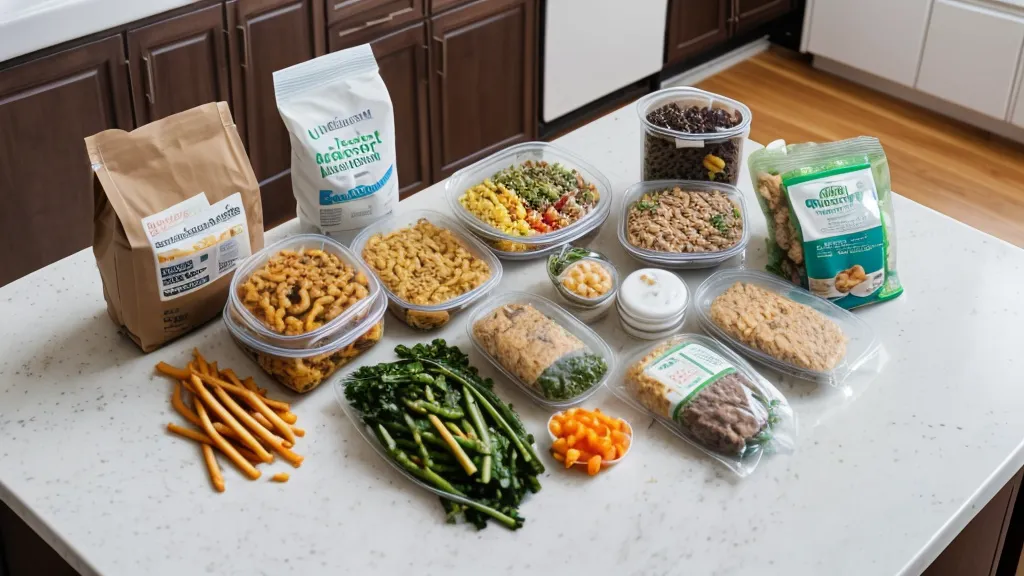
Recipe cards across every service list a cook time that assumes a kitchen with nobody else in it, which is its own separate rabbit hole I won't fully unpack here. What I will say is that the gap between the card and reality shows up the same way every time — the kitchen timer goes off, I check the pan, and the sauce is still thin and nowhere near the glossy finish the photo promised, while the timer keeps beeping like it already won the argument, two steps from the pantry door that never quite sits flush no matter how hard you push it. Home Chef is the one subscription in our rotation that comes closest to honest numbers, mostly because of how clearly they flag their Fast-prep and Express recipes — the twelve to fifteen weekly options aren't all built for a Tuesday, but the labelled ones usually are. Swapping out a protein or a side before the box ships is simple enough on their site that one kid's sudden onion refusal doesn't blow up the whole order. Portions on their smaller heat-and-eat options run lean once a growth-spurt week hits, and some of the Express dinners lean harder on dairy and red meat than the menu photo suggests, which is the kind of thing you only notice after enough weeks of actually plating the food instead of just ordering it.
What Actually Fixes a Tuesday Night
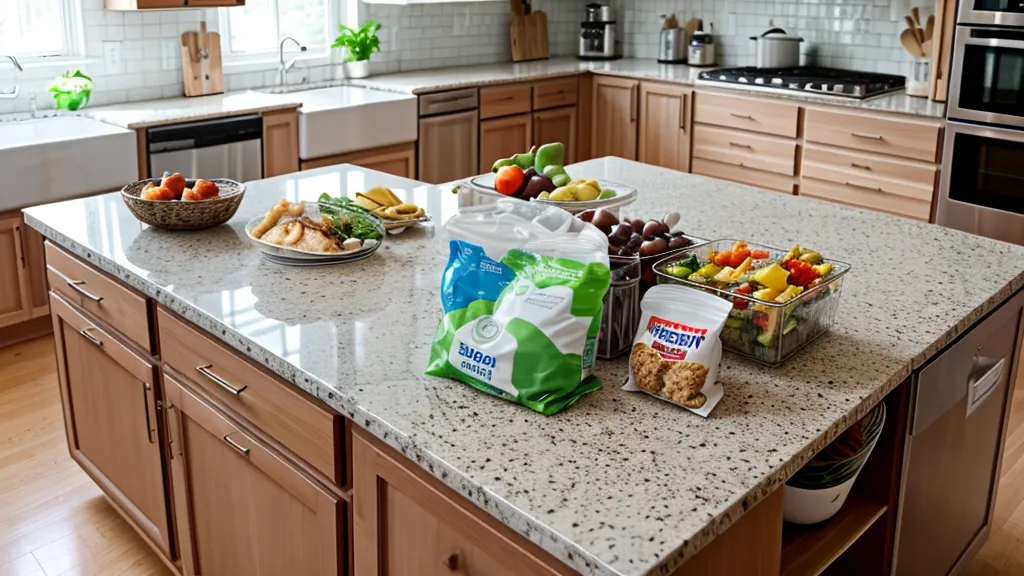
My coworker Cleo asked me some version of this question once, after we'd both quietly given up on cooking the same week. The honest answer is a rotation logic rather than a single favorite box — you look at the calendar for the week ahead and match the kit to the night, not the other way around. Cleo won't touch a subscription unless she can cancel it in under four clicks, and that instinct is the right one, because the whole rotation falls apart the moment a pause window gets missed and a box shows up nobody ordered. When the calendar shows back-to-back late calls, I pivot to Tempo by Home Chef — single-serve, microwave-first meals with the calorie count printed right on the menu page, and the real selling point isn't the food, it's that there's no cutting board and nothing waiting in the sink after. It's built more for a solo dinner eaten standing at the counter than a sit-down family meal, and the portions run smaller than Home Chef's parent line, so it earns its spot on the late-call nights rather than as an everyday swap.

Rotating In Something Different
On a slower week, we resume Blue Apron specifically because the recipe variety pushes us toward dishes we'd never pick ourselves, and my older kid actually reads the technique cards out loud instead of ignoring them. A reader named Augustin emailed me last spring after a Blue Apron piece, asking whether it was worth the swap when his partner handles most of the actual cooking on the nights he works late — my answer was that Blue Apron rewards whoever has the extra ten minutes, and if nobody in the house has that cushion most nights, the Home Chef fast-prep promise is still the safer baseline. Blue Apron's ingredients tend to arrive in better shape than I expected going in, but the moment a recipe runs past four steps, dinner slides past dark, and a kid who refuses anything green has fewer safe options to fall back on than the menu photos imply. We haven't found a strong vegetarian stretch in our rotation either — it's there on the menu, it's just thinner than the meat-forward weeks.
The Meal Kit Fallback Nobody Advertises
Thrive Market isn't a meal kit at all, and I stopped expecting it to act like one — it's the pantry stock and the frozen entrees sitting in reserve for the week someone forgets to pause a subscription and two boxes land on the same Tuesday. Their allergen and dietary filters work better than I expected going in, and the snack aisle holds up fine against name-brand versions once you're not paying extra for the box on the shelf. The membership fee only pencils out if the household is already running two or three boxes a month between the meal kits and the pantry order, and on a month where the cooking boxes slow down, plain grocery math starts to look better than subscription math — which is really the whole cost-per-plate question in miniature: it's never about one box being cheap or expensive, it's about how many nights a week you're actually using it instead of ordering out.
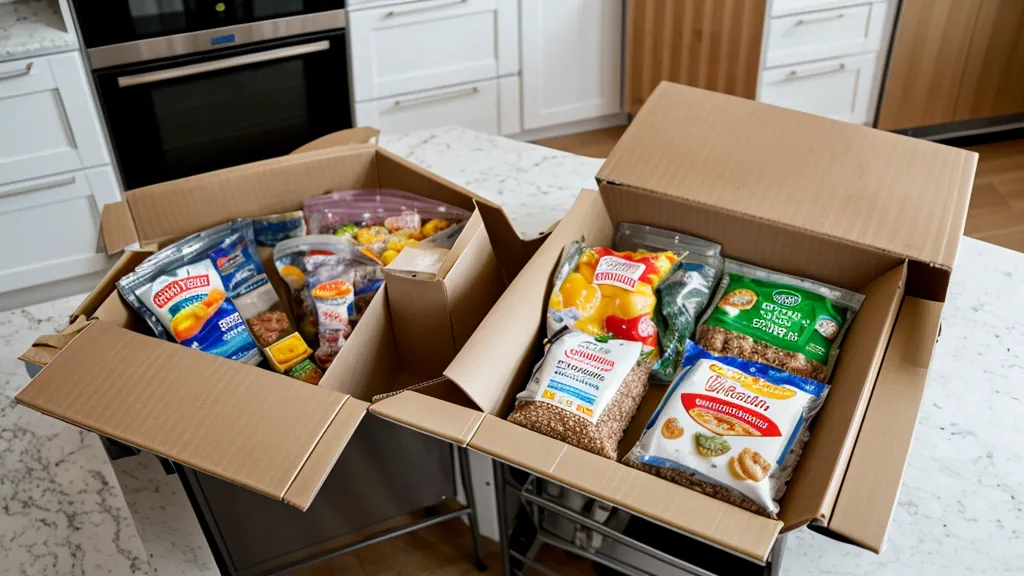
None of this works, though, without someone else at the table pulling their weight, and lately that's been my older kid — he reads the recipe card out loud before I've even found the right pan, calling out how many minutes are left like he's running his own stand-up. That's the actual fix for the batch-cooking myth: not one perfect Sunday, but a system flexible enough that different nights can lean on different things, including a kid who wants to call the timing. If you're trying to sort out your own rotation, starting with a flexible rotation like Home Chef and building outward from there is still the least painful place to begin.