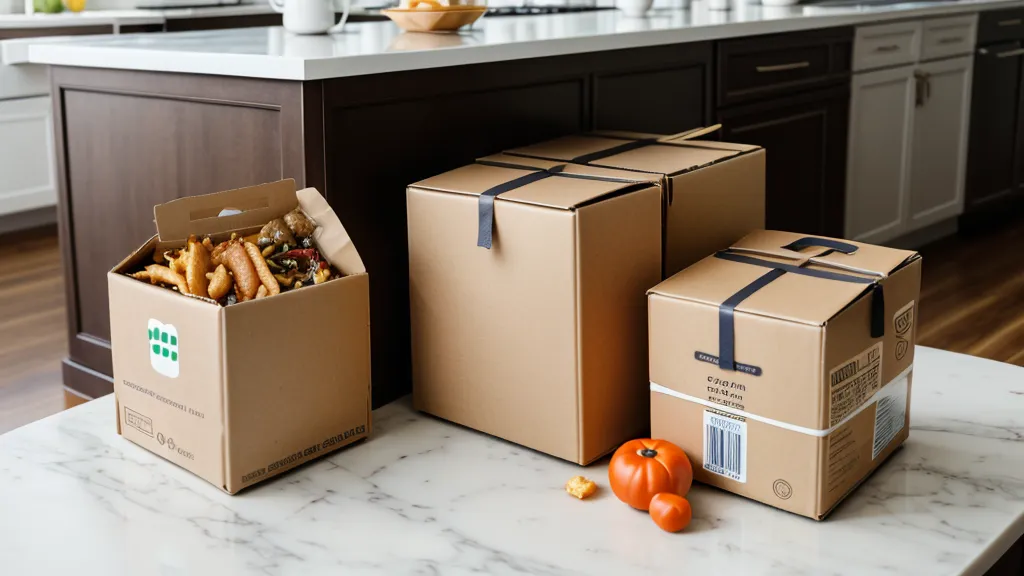
Four boxes rotate through our kitchen most weeks, and no single one of them covers a full family dinner rotation on its own. That's the honest baseline behind this meal-kit review, and behind most of the working-parent hacks that get passed around for surviving a school-night schedule. My day job is in software quality assurance, split between an office and home three days a week in Madison, and after three years of swapping these services in and out of the schedule, the reason stays the same: a seven-day box doesn't survive a week where soccer practice, a late client call, and a kindergarten bedtime collide on the same Tuesday.
Every meal-kit link on this page is an affiliate link, and signing up through one sends a commission back to this site at no extra cost to you. Four services have gone through real weeknight use over the past several seasons — Home Chef, Tempo by Home Chef, Blue Apron, and Thrive Market as the pantry fallback — and the one that quietly stopped getting opened gets mentioned just as plainly as the one still in weekly use. There's no chef or dietitian credential behind this; it's one household's dinner rotation, not a lab test.
No Single Meal Kit Covers a Family Dinner Rotation
The math gets simple once the goal stops being one subscription that does everything. A five- or six-meal box still leaves a night or two uncovered, and those gaps show up on the nights with the least warning — a call that runs long, a carpool that falls through, a kid who decides at four in the afternoon he's not eating what got planned. Running two services at once, one picked for speed and one for variety, covers that gap better than upgrading to a bigger box from a single kit. The actual deciding factor most weeks isn't the recipe — it's soccer pickup, the kindergarten bath-and-book routine, or a Tuesday call that won't end, and whichever kit survives that gauntlet gets opened again.
I go into the specifics of staggering more than one subscription in Beyond the Intro Offer: My Strategy for Rotating Meal Kits After a Year of Trial and Error, and the short version holds up: pick one kit built for speed, one built for variety, and let the calendar decide which one ships that week.

By the time a box that sat on the porch through a warm afternoon finally makes it inside, it still carries that faint cardboard smell that means the ice packs gave up a while ago — rarely a dealbreaker, just a reminder to check the clock. On the weeks every subscription gets paused at once, a regular run to Trader Joe's on University Avenue fills in what the kits can't, which isn't a strategy so much as a backup plan with a parking lot. Before any of this settled into a rotation, a whole Saturday went into pinning freezer-meal recipes and batch-prepping them for the week ahead, and the kids refused nearly all of it by Wednesday. A friend who spends her weekends at a pottery studio on State Street still swears by that method — it just never worked in this kitchen.
Home Chef: The Default Nobody Has to Debate
If one box has to ship on autopilot, it's Home Chef. The weekly menu runs twelve to fifteen recipes wide, enough range that the kids aren't eating the same three dinners on repeat, narrow enough that picking one doesn't turn into a research project during a lunch break. The "Fast & Fresh" label promises fifteen minutes; call it the meeting that was supposed to be an email — it usually runs closer to twenty-five, and the kitchen made peace with that gap a long time ago. The ingredient-swap option, where a recipe's default protein or side gets traded out for something the kindergartner will actually touch, has quietly saved more dinners than the recipe card itself.
Acceptance at the table splits along an age line: the elementary-schooler will eat almost anything as long as the sauce comes in its own little tub he gets to pour himself, while the kindergartner's verdict has more to do with her mood that evening than with the actual recipe. Pausing a week takes the same handful of clicks as placing an order — no email chain, no hold music — which matters most on the Sunday night before a trip gets decided, not the week before. The one real cost shows up in the recycling bin: pre-portioned convenience means a lot of small plastic tubs, and that bin is usually full by Wednesday.
What Do You Reach for When Even a Fast Box Feels Like Too Much?
Some nights a twenty-minute Home Chef recipe is still twenty minutes too many, and that's the gap Tempo by Home Chef fills. These are microwave-first trays, not meal kits in the cutting-board sense, and the difference matters: there's no prep step to skip, just a tray and a timer. They turn out to be a better fit for a hybrid workday lunch than for a sit-down family dinner, since the portions are built single-serve.
The trade-off is portion size — a tray built for one adult doesn't stretch across two kids who both want seconds, so Tempo ends up covering the parent eating after a late call more than it covers the whole table. The exact line between when the microwave tray wins and when the cook-from-scratch box wins gets its own breakdown in Tempo vs Home Chef: When the Microwave Box Beats the Cook-From-Scratch One, and the short answer is: whenever dinner has to happen in four minutes instead of twenty-five. Calorie counts sit right on the menu before ordering, which is one less thing to guess at eight at night, though it's worth checking with a pediatrician before leaning on microwave trays as a regular meal for younger kids — the sodium runs higher than something cooked from raw ingredients.
Blue Apron Teaches More Than It Saves Time
Blue Apron earns its spot in the rotation for variety, not speed — the recipe range pushes toward dishes nobody would have picked off a regular menu, which keeps the whole rotation from going stale after a couple of months. The cooking times skew long on a weeknight, the same complaint as the fifteen-minute label elsewhere, but the technique cards are good enough that the elementary-schooler started doing real prep: zesting a lemon, peeling ginger, the kind of task that turns dinner into something he's part of instead of something he's waiting on.
A reader named Priti Mehrotra, who found this site during a gap between HelloFresh boxes, wrote in asking how Blue Apron's ingredients compare to Home Chef's on arrival — she judges almost every kit by how many pans a recipe dirties before weighing anything else. Fair question: Blue Apron's produce tends to look closer to what's at a produce stand than what shows up pre-shredded in a Home Chef bag, but that quality comes with more pots on the stove, not fewer. The wine pairing add-on is a small touch on a Friday night, and the packaging waste runs about as high as everywhere else — this isn't the kit that solves the recycling bin problem.
Stock Thrive Market for the Weeks With No Box at All
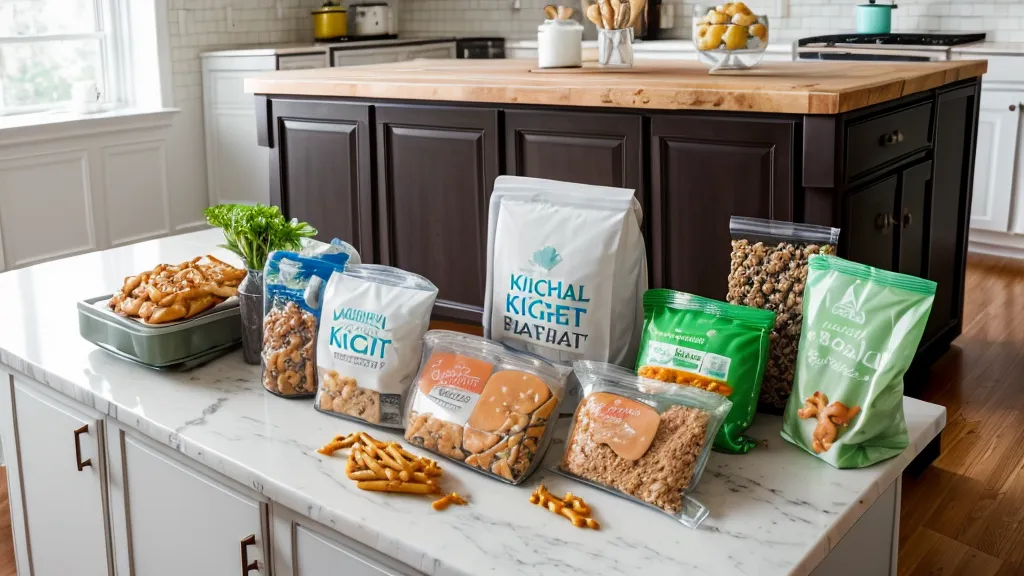
For the weeks every subscription gets paused — travel, or just a stretch where nobody has the bandwidth for even a microwave tray — Thrive Market works as a pantry safety net rather than a replacement for a fresh delivery. It's closer to a curated grocery box than a weeknight dinner kit, stocked with frozen entrees and staples that don't go bad waiting for the next order, which is a different value question than comparing a meal kit to a regular grocery trip.
The membership fee only earns its keep once the math includes how many boxes a month the household is already paying for — on top of two other subscriptions it reads as one more bill, but folded into the rotation as the backup plan, it balances out. Judged purely on a cost-per-plate basis against the other three services, Thrive Market isn't trying to compete — it's priced like a pantry, not a dinner kit, and comparing it like one misses the point. The longer version of the full six-service rotation gets the full treatment in The Tuesday Night Truth: How Six Meal Kits Handled My Family's Real-World Chaos After a Year of Rotation, and the conclusion there holds up here too: no single service is dependable enough on its own to skip having a backup.
Judge Each Kit by What It Replaces, Not What the Label Promises
Cleanup finished, dishes already stacked in the rack, before the bedtime book had even been opened: that's the clearest sign a rotation is working, and it has nothing to do with how the food tasted. That gap matters more than any fifteen-minute label. The actual decision rule is simple: match the kit to what it's replacing, not to the dinner there was never time to cook from scratch. A fast-prep Home Chef box replaces the night that used to end in cereal at the counter; Tempo replaces the night nobody's cooking at all; Blue Apron replaces a Friday that could use a bit more effort; Thrive Market replaces the grocery run that didn't happen.
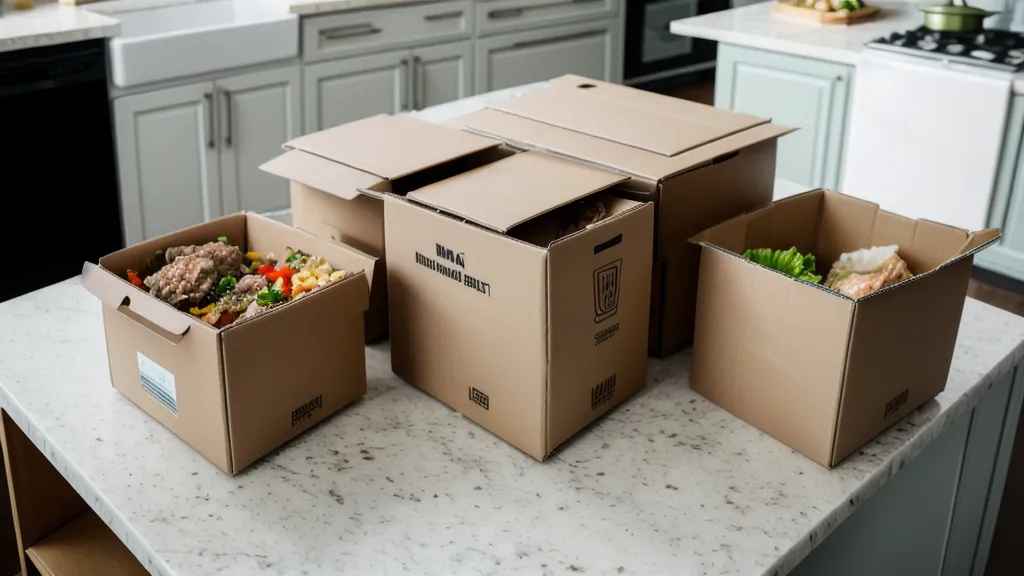
None of these boxes make a Tuesday effortless, and nobody running this rotation claims otherwise. What they've done is make the bad nights land softer — forty minutes back, most weeks, that used to disappear into deciding what to make and then making it anyway. Anyone trying to get off the cereal-for-dinner habit should start with whichever kit has the clearest fast-prep labeling, keep the pause window marked on the calendar, and expect the first stretch to involve more trial and error than any single review can promise away.
| Product | Rating | |
|---|---|---|
| Home Chef Editor's Pick | 9.2 | Read More → |
| Tempo by Home Chef | 8.8 | Read More → |
| Blue Apron | 8.5 | Read More → |
| Thrive Market | 8.1 | Read More → |
Home Chef
Pros
- ✔ Twelve to fifteen recipe choices every single week
- ✔ Fast-prep labels actually help a tired brain make a choice
- ✔ Pause and skip controls that don't require a support ticket
Cons
- ✗ Pre-portioned convenience means a lot of extra plastic disposal
- ✗ Some '15-minute' kits definitely take closer to 25 minutes