
A recipe card that promises twenty minutes and a weeknight that actually delivers forty are not the same product, no matter what the box says on the front.
Every meal kit named on this page carries an affiliate link, so clicking through and signing up earns a small commission at no cost to you — full disclosure before you read another word. None of that changes which kits actually survive dinner in a house with two kids, two full workloads, and a kitchen that never stays clean for more than an hour.
Before any of these boxes ever showed up on the porch, dinner ran on five dependable recipes in constant rotation — the same five, over and over, until even the kids groaned before the pan came out of the cabinet. That failure is what pushed this household toward meal kits, not some grand discovery about weeknight cooking. Three years of swapping proteins in and out of a refrigerator shelf has turned into something closer to a running product test than a hobby: six different services tried, a handful still worth the subscription, and a working theory about why the rest quietly stopped getting opened.
The Real Gap Between a Recipe Card's Twenty Minutes and a Weeknight That Doesn't Cooperate
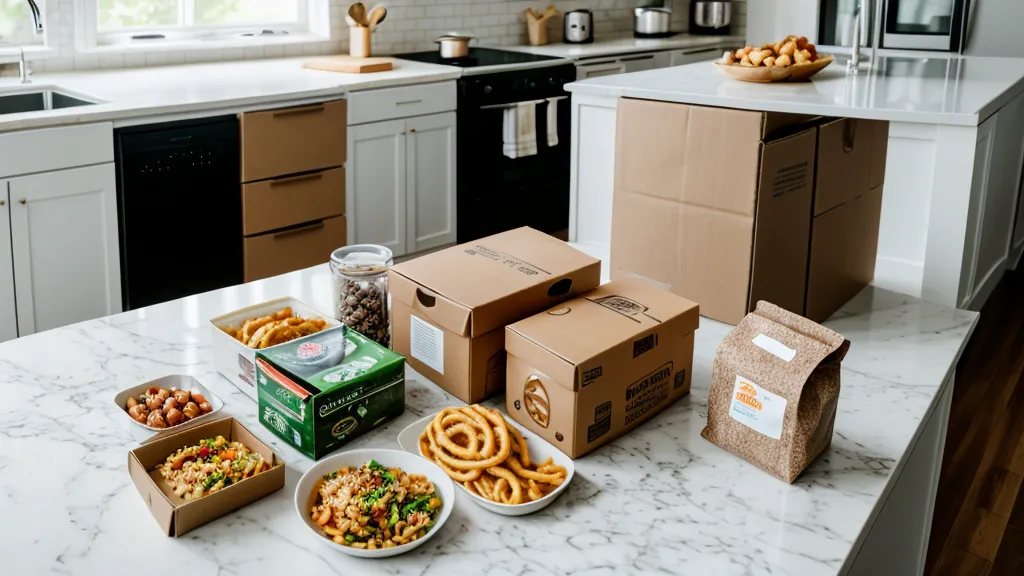
In QA, when a ticket gets labeled a five-minute fix, the safe bet is that it eats the whole afternoon instead — recipe cards run on identical optimism, assuming a clear counter, quiet kids, and ingredients already portioned by invisible kitchen elves.
On a real school night, that twenty-minute dinner routinely stretches toward forty, somewhere between spelling homework and an argument over who gets the blue cup. The recipes that eat the most time are the ones asking for three root vegetables minced fine, a micro-lemon zested, and two pans washed before the oven even heats — what this house calls the meeting that was supposed to be an email. A deeper breakdown of exactly where that time disappears lives in The 30-Minute Meal Kit Myth: How a QA Mindset Cut Our Actual Weeknight Dinner Chaos.
Only the kits labeled oven-ready or fast-prep reliably hit their own estimate: vegetables pre-chopped, sauce pre-whisked in a pouch, dinner sliding straight into a disposable tin. Anything that asks for raw kale to be washed, dried, and shredded at six o'clock is already behind schedule before the burner lights.
How Far Do Standard Four-Person Portions Really Stretch?
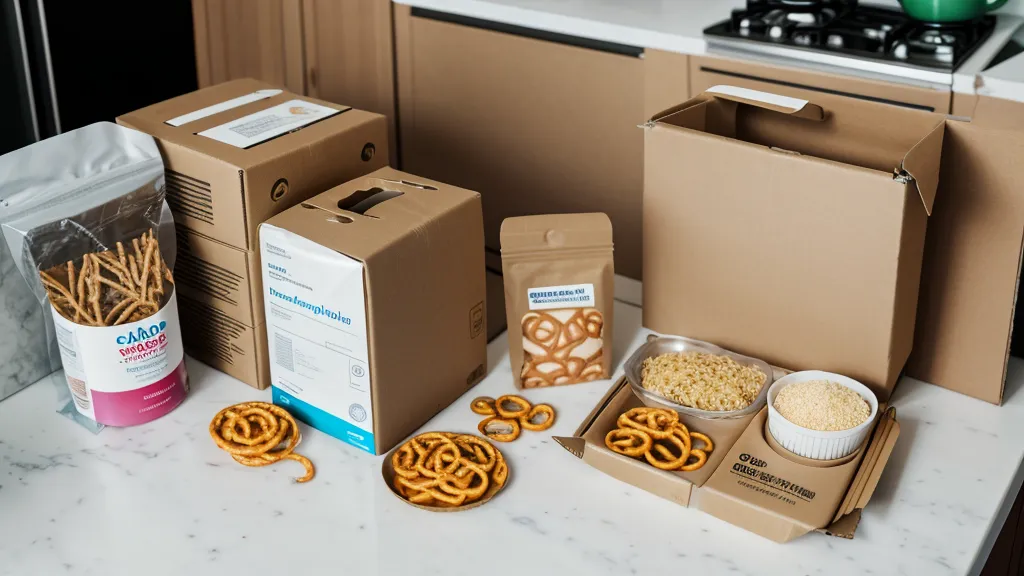
Four people eat at this table — two adults, one elementary schooler, one kindergartener — and a standard four-serving box usually lands close enough, maybe a half-cup of rice left in the pan afterward. Portion accuracy holds for a household this size, but the math changes fast once appetites get bigger.
Raw protein in these boxes tends to run five to six ounces a serving before cooking, which shrinks further once it hits the pan. Athletic older kids or actual teenagers will be back in front of the pantry an hour later, and the per-serving price meal kits advertise stops meaning much once a protein add-on or a side of pasta gets added just to close the gap. Measured against a normal grocery run, the cost-per-plate feel of a kit only looks reasonable when the pantry isn't also getting restocked behind it.
A family this size can trust the standard plan without much adjustment; a house with teenagers should budget extra groceries before leaning on the box alone.
Pausing a Subscription Takes Planning, Not Luck

School-age kids make a weekly schedule volatile by default — a deadline slips, a client call gets added last minute, someone comes home with a scratchy throat. Most subscriptions want menu edits, pauses, or skips locked in five or six days before the box ships, so a Friday schedule change does nothing for a delivery already routed for Tuesday.
That lag turns into a real problem once raw chicken and ground turkey are sitting in the refrigerator — those don't keep indefinitely, so two nights of late calls in a row usually means standing at the sink freezing individual packets, or watching protein go straight into the trash. More than once a box has also arrived short an ingredient entirely, turning dinner into an improvised swap instead of the recipe printed on the card.
Whatever shows up, the first few seconds of opening a cold box tell you something: the waxy paper lining peeling back off whatever protein sits underneath is the quickest read on whether a shipment held up in transit, long before any of it reaches a pan.
Across the services tried, Home Chef has handled this kind of sprint chaos best — a weekly lineup wide enough to dodge rotation fatigue, fast-prep and oven-ready trays clearly marked, and pause controls that work without an email back-and-forth. On slower weekends, when the kids are elsewhere, Blue Apron earns its spot instead, mostly for recipe variety. On nights nobody has the bandwidth to pick up a knife, the Tempo line fills a narrower gap — single-serve, microwave-only meals with no cutting board and almost no dishes after, useful for a weekday lunch as much as a late dinner, though the kid-friendly options run thin. And on the weeks a box gets paused entirely, a pantry-stocked membership service like Thrive Market has filled the hole more than once — worth the membership fee only if two or three boxes a month are already in the budget to offset it, and closer to a curated grocery run than an actual meal kit.
Do Picky Eaters Actually Eat What Shows Up in the Box?
None of this comes from a nutrition credential — this household runs on a software tester and two kids with strong opinions about cilantro, not a pediatric feeding therapist. Anyone dealing with sensory issues or real dietary restrictions should talk to an actual pediatrician before handing dinner decisions to a subscription box.
Inside an ordinary elementary-school dinner, results are mixed. Plenty of these services lean into pickled shallots, smoky cremas, and micro-greens — appealing to an adult craving variety, fatal the moment a kid spots a green fleck floating in cream sauce. A longer account of how the youngest handled those bedtime-adjacent meltdowns runs in The Tuesday Night Reality Check: Which Meal Kits Actually Survive the Kindergarten Bedtime Rush?.
The kits that actually survive dinner are the modular ones — a spicy glaze arriving in its own squeeze pouch, instead of getting mixed straight into the ground beef, lets the adults have heat while the kids get plain chicken off the same pan. Recipes that bury onions inside a baked foundation get refused outright; keeping every component separate is what lets four different appetites eat something resembling the same meal.
A kid's acceptance of a box has very little to do with how the marketing photo looks and almost everything to do with how separable the pieces are. A neighbor three doors down, Dinah Sobotka, keeps a handwritten notebook of which boxes her son actually finishes and which ones he pushes to the edge of the plate — her list tracks almost exactly with what gets eaten here, right down to which proteins survive contact with a fork. Neither kitchen has run a vegetarian-focused box long enough to say how deep that menu really goes, or whether the nutritional balance holds up across a full week rather than one dinner — that's a fairer question for a household that eats that way most nights.
A Meal Kit Earns Its Keep Only Under Certain Conditions
What a meal kit will not do is fold laundry, finish a science project, or turn a vegetable-skeptical kindergartener into an adventurous eater by Friday. What it does, picked with realistic expectations instead of marketing photos, is remove the five-o'clock scramble of staring into a fridge with no plan at all.
These days, the dishwasher gets loaded and the counter wiped down before the bedtime story even starts most nights — a detail that would have sounded like fiction back when cereal at the counter was the fallback plan. That's not a transformation, just a cognitive load that moved off the schedule once the protein arrived already measured and the decision about dinner got made somewhere other than a tired brain at five-thirty.
The real strategy by now is rotation rather than loyalty to one subscription — fast-prep weeks on Home Chef when the calendar is brutal, something like Blue Apron or Tempo in the mix when there's slack for either more variety or zero dishes, and a pantry service like Thrive Market standing by for the week nothing gets delivered at all. Skip the gourmet boxes that demand a dozen utensils and an hour of fine dicing, start with whichever service clearly flags its fast-prep options, and expect a quieter Tuesday — not a silent one.