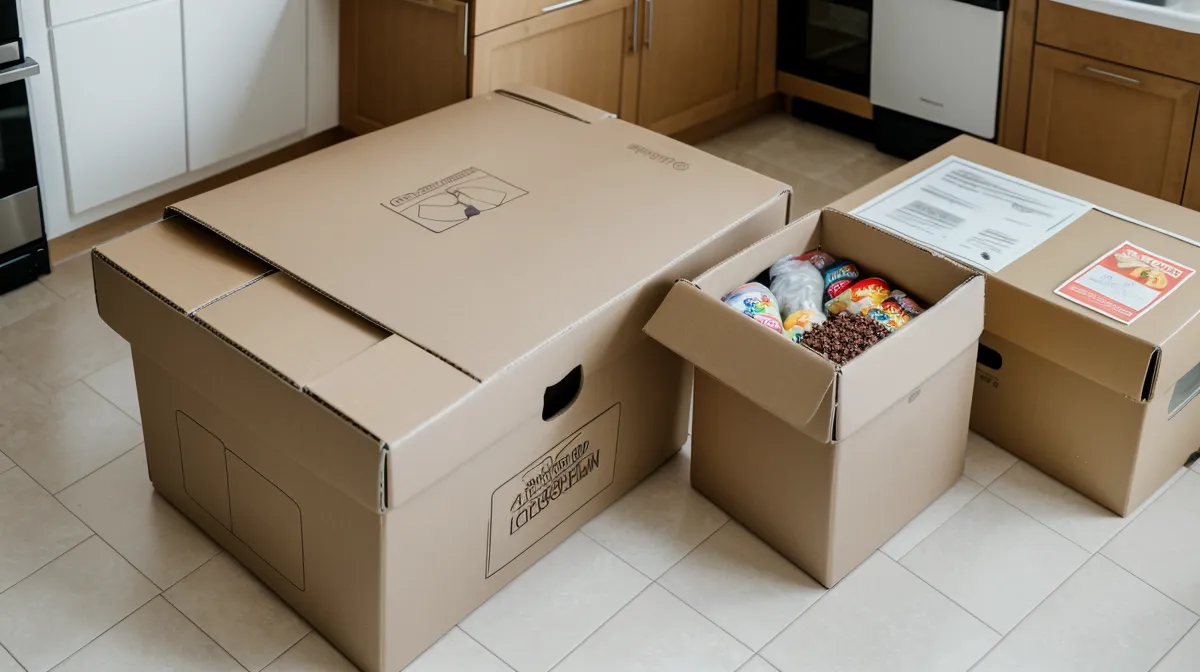
The delivery box sat unopened on the counter with dinner due on the table in half an hour, school pickup already running ten minutes late, and a kindergartner already negotiating for plain noodles. That's the exact kind of Tuesday Home Chef's Customize It feature is supposed to save: swap the protein, keep the sauce, and get something both a picky eater and an adult with actual taste buds will eat, without blowing up the whole family dinner rotation.
Quick disclosure before any of that: the meal kit links in this piece, including the Home Chef ones, are affiliate links, and signing up through them sends a small referral fee my way at no extra cost to you. I've rotated through this family's dinner options long enough to know which customization gimmicks hold up at the table and which ones quietly fail, and I'll tell you flatly either way.
Does the Customize It Swap Actually Help With Picky Eaters?
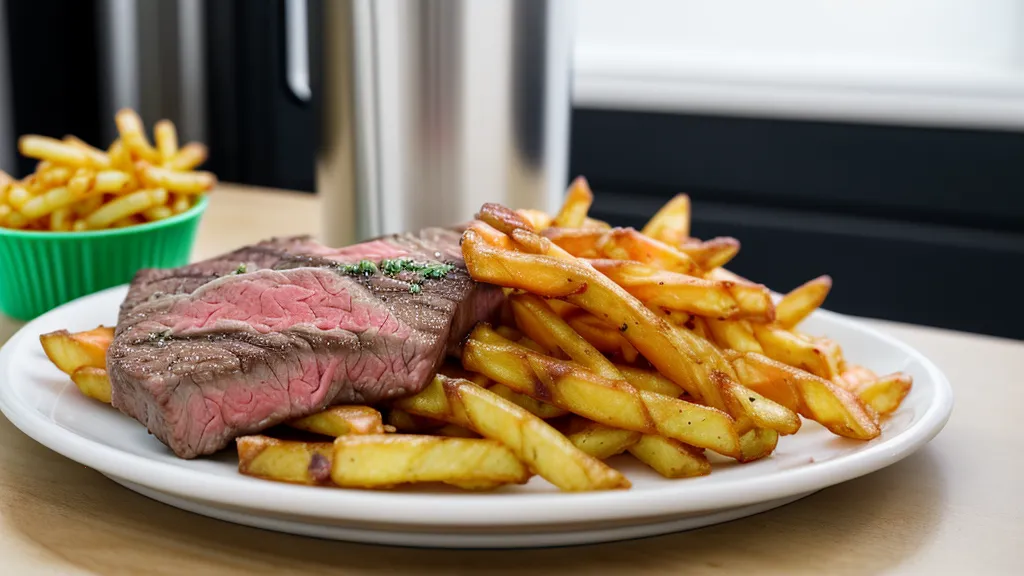
With Home Chef, the customization pitch is built around twelve to fifteen weekly recipes you're allowed to adjust, and in a house with a picky eater the adjustment that actually gets used is the protein swap — steak becomes chicken, pork becomes shrimp, one protein just doubles instead of showing up on the plate at all. In QA terms it reads like a patch: change one variable, expect the rest of the system to hold. Mostly it does. Dinner gets eaten. Nobody's calling it thrilling, but plates come back empty and the cereal stays in the pantry.
Whether the printed cook time survives contact with an actual Tuesday is its own separate question, one I've picked apart in more detail elsewhere. But the swap itself doesn't add meaningful minutes either way, at least not in my kitchen.
The Sauce-to-Protein Mismatch Nobody Warns You About
Here's what the swap doesn't fix: most kit proteins ship in a fixed size range, and the sauce packet is portioned for the original protein's fat and surface area, not whatever you swapped in. Trade steak for chicken and a balsamic glaze built for beef turns sticky and cloying on the leaner meat; it doesn't ruin dinner, but the flavor balance the recipe card promised is gone the moment you touch the protein dropdown.

A reader named Priti Mehrotra once asked whether swapping proteins also meant more dishes to wash, not just a different taste — that question is actually what got me tracking pan count instead of just flavor complaints, and the honest answer is usually one more pan, not zero. For a longer breakdown aimed at a specific age group, my Home Chef Family Plan Review for Picky Eaters in Kindergarten goes deeper than I will here. The short version is that acceptance rate matters more than flavor accuracy when you're negotiating with a kindergartner.
Heat-and-Eat Portions Run Short on Practice Nights
During spring soccer season, with games at the Garner Park fields on Madison's south side, the gap between school pickup and kickoff runs about twenty minutes, not enough time to do anything but reheat something. The box gives away the timing before the flaps are even fully open: you can feel the cold pack pressing through the cardboard, which usually means the delivery landed on schedule.

What that timing doesn't guarantee is a portion sized for four people. Two adults and two growing kids will empty a heat-and-eat tray and still be eyeing the fridge twenty minutes later, so we keep a pantry backup from Thrive Market specifically for those nights, alongside the actual regular grocery rotation, as the thing standing between a heat-and-eat night and someone still hungry at bath time. Whether a Thrive membership pays for itself is its own math problem worth a separate answer — here it's simply the thing keeping a short week from ending in cereal again. And whether this portion gap holds up against Blue Apron's plates specifically, ounce for ounce, is a comparison I've made in more detail elsewhere; here it's just the reason there's always a backup starch in the freezer.
Blue Apron and Tempo Solve Different Problems
We paused Home Chef for a few weeks to see if Blue Apron handled the same picky-eater gauntlet better. The recipe variety is genuinely wider, and the technique cards teach the older kid actual mise en place habits, which is more than I expected from a cardboard insert.
What Blue Apron doesn't do is respect its own clock. A recipe listed at twenty-five minutes regularly runs closer to forty-five once you're also hunting for a missing shin guard, and there are fewer truly kid-safe fallback options when one kid refuses anything green.

On the nights when both adults are stuck on a call, Tempo by Home Chef is the other option in rotation: microwave, single-serve, built for a parent eating late, not for a family dinner.
My kindergartner is not going to touch a smashed-chickpea bowl no matter how it's described, so Tempo stays an adult-only fallback here, not a kid-dinner solution. The fuller picture of how Tempo actually fits into a hybrid-work Tuesday, beyond microwave-meal-for-one, is its own piece. The short version is that it solves the adult's dinner, not the kid's. The same goes for prepared meals versus a from-scratch kit for a hybrid household generally: worth answering properly elsewhere, but for a picky eater specifically, a from-scratch box with a swap option still wins over anything fully prepared.
Weighing a Pause Against Sticking With the Swap
Whether to pause the subscription entirely or just keep muscling through the swap comes down to how much cooking bandwidth the week actually has.
Pausing is not the ordeal it used to be with older subscription services — the toggle has worked cleanly enough for me that I don't dread using it, though the fuller mechanics of pausing without the usual email back-and-forth deserve their own answer, not a paragraph here.
Cost is the other piece of that decision, and I'll keep it rough on purpose: a box like this runs about a takeout dinner's worth more than the cheapest kits on the market, and whether that gap is worth it, plate for plate, is a comparison I've made in full elsewhere.
For this specific problem — a kid who eats selectively and a parent without the bandwidth to plan five dinners from scratch — the swap-and-supplement approach beats pausing outright, on the Tuesdays that matter and even the Fridays when everyone's given up on cooking altogether.
When Every Swap Gets Rejected at the Table
Sometimes no swap works and the kid still refuses. That's not a Home Chef problem specifically, it's a some-nights-are-just-like-that problem.
I tried fixing this once with a meal-planning app that had a gamified streak counter, convinced turning dinner into a game would get more plates cleared. I deleted it after about twelve days, once a broken streak became its own source of guilt on top of an already annoying night.
What actually works better than any app is keeping a backup starch and a bag of frozen vegetables in the freezer for the nights when the swap fails outright, and treating one bad dinner as data instead of a verdict on the whole subscription.
If you want to see whether the current rotation of twelve to fifteen recipes fits your own family's no-go list, you can check out the current Home Chef menu here and judge the swap options for yourself before committing a whole week to them.
None of this is a nutrition verdict, just one household's read on which meal kit survives contact with a picky eater on a regular Tuesday. Run any real dietary questions past your own pediatrician, not a stranger's blog.