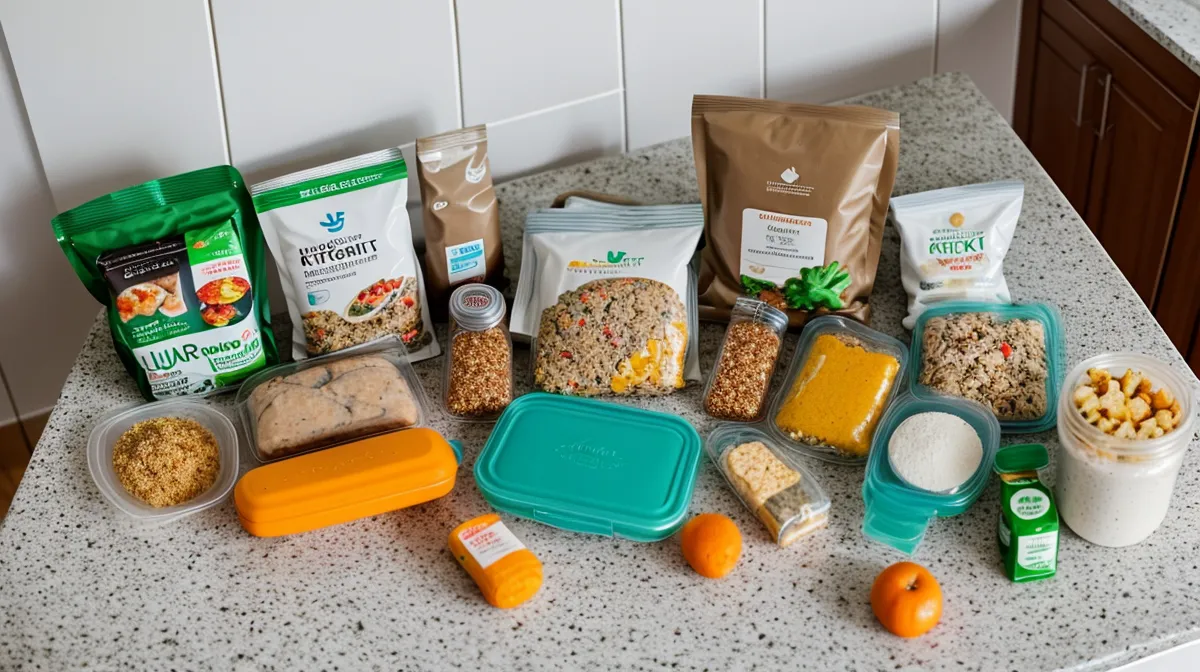
Sitting on the picnic blanket at Olbrich Botanical Gardens, phone in one hand and a plastic fork in the other, I was already typing out a message to Cleo Rutkowski before I'd even zipped the cooler bag shut — my Home Chef box had shown up that morning without the garlic, again, and she's the first person I text when a delivery comes up short. That single missing clove is the smallest possible symbol of what a full year of juggling meal kit subscriptions around a working parent's dinner workflow actually looks like: not a disaster, just one more thing to route around before dinner.
Quick disclosure before we get into it: the meal kit links below are affiliate links, so if you click through and subscribe, I get a small commission at no extra cost to you. I'm a software QA engineer who works hybrid three days a week, not a chef and not a nutritionist, and everything here comes from one household's dinner rotation, not a lab. None of this replaces an actual conversation with your kid's pediatrician if allergies or nutrition are a real concern in your house.
Rotating Four Subscriptions Through a Working Parent's Dinner Workflow
Before any of this, I tried the thing every productivity article tells working parents to do: batch-cook a full week of dinners every Sunday afternoon. It worked for exactly as long as my imagination held out, which turned out to be until Thursday, when I was reheating the same tray for the third night running and both kids had stopped even pretending to like it. Batch-cooking treats a week of dinners like a single deploy, and real weeknight logistics don't cooperate that way — soccer practice runs long, a client call eats the hour I meant to use for prep, and the plan from Sunday is obsolete by Tuesday. That's the actual reason I started treating my strategy for rotating meal kits as its own system, instead of picking one subscription and hoping it held up for an entire month.
None of this is an argument that a meal kit subscription beats just buying groceries — some weeks it does, when the alternative is a grocery run I don't have time for, and some weeks it doesn't, when the fridge is already full of vegetables about to turn. The rotation itself is the actual product here — knowing which of four services to reach for based on how the week is shaping up, rather than staying loyal to whichever box showed up first.
The Week the Rotation Actually Started Working
Around week five of this particular four-service rotation, the leftovers told a clearer story than any recipe count could — how often the kids actually ate what came out of the box, instead of picking at it and asking for cereal instead. That's the number that actually matters, kid-acceptance rate, not variety, and it's what decides whether a kit keeps its spot in the rotation or gets quietly skipped next time it's due. The clearest proof of it showed up on an ordinary Tuesday: my older kid, wooden spoon in hand, stirring a simmering pot without a word about the onions cooking down inside it, a fight that had apparently retired itself without any announcement.
Home Chef: The Kit That Didn't Need a Retry
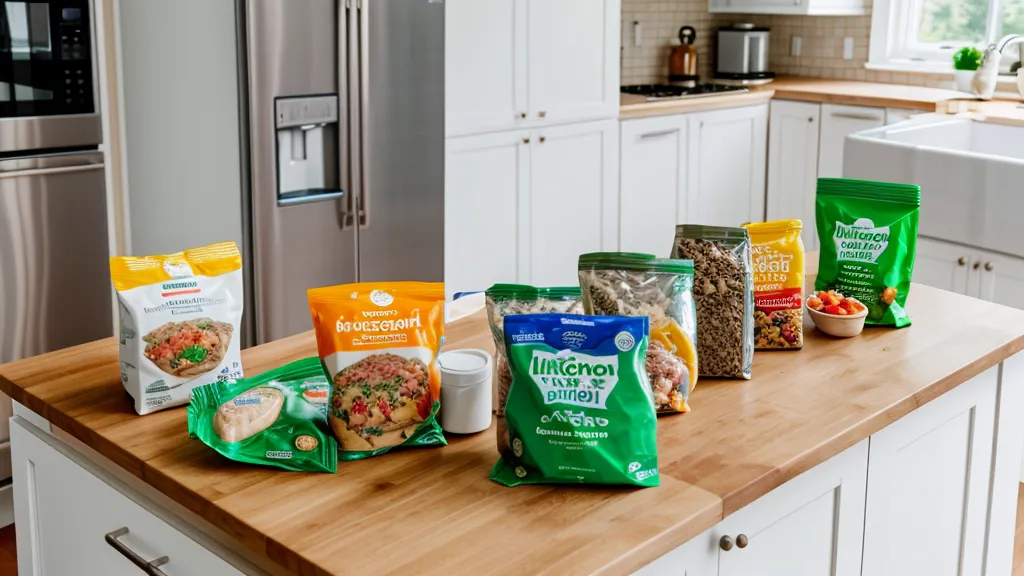
Our kitchen is the narrow galley kind, the far end spilling into the mudroom where two backpacks have hung since the school year started, and Home Chef is the box I reach for when there's no room left for anything to go sideways. Across the rotation it consistently offered somewhere around twelve to fifteen recipes a week, enough choice to avoid dinner boredom without turning Sunday's menu selection into its own chore, and the app's pause and skip controls actually work without a support email back-and-forth — pause-resume flexibility that matters most on the week a trip or a stomach bug throws the whole plan out.
The Express label is the real reason I keep subscribing — seeing it on a recipe means I won't be chopping an onion at the end of a ten-hour day, and Home Chef mostly earns that claim, which is rarer than it should be in this business. A '15-minute' kit that actually takes thirty-five is the meeting that should have been an email, and realistic cook-time claims are worth more to me at 5:30 on a Tuesday than any amount of recipe photography, especially once you factor in the cleanup load against a bedtime that isn't moving. The heat-and-eat portions run smaller than the cook-from-scratch line, which is worth knowing if you've got a hungry adult in the house, and the customizer that lets you swap a protein or drop a side has saved more than one dinner when a kid decided overnight that they hate rice now.
What Ten Months of Unboxing Taught Me About Packaging
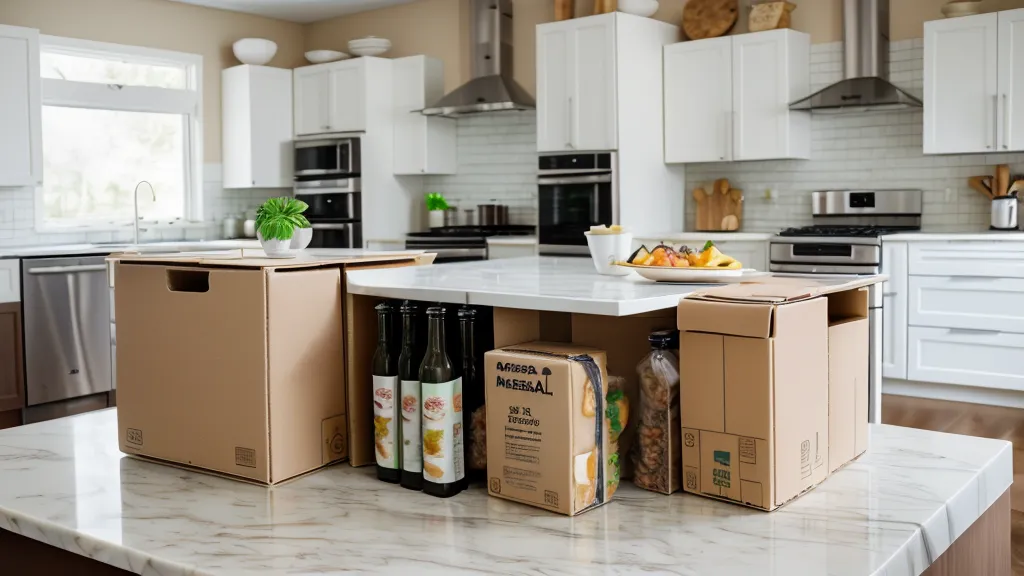
Ten months of unboxing on that same worn stretch of counter by the stove taught me something none of the marketing photos mention: packaging volume and portion accuracy move in opposite directions. A tiny plastic bottle holding exactly one tablespoon of soy sauce is precisely portioned and also an absurd amount of plastic for one tablespoon, especially next to a regular bottle from the pantry that lasts a month. Home Chef groups its ingredients a little better than most, but the waste is still the price of not having to measure anything yourself, and it's a trade I'm willing to make on a Tuesday even while it bothers me every time I break down the recycling.
What actually arrives in the box matters more than the packaging around it. Across ten months the produce has shown up cold and intact often enough that I stopped worrying about it — ingredient quality on arrival is the one thing I check before anything else when I open a delivery, before I even look at the recipe card.
Blue Apron on the Nights We Actually Have Time to Cook
When the week is lighter, no soccer practice eating the hour before dinner, I resume Blue Apron. It's the service my older kid genuinely loves, because the recipe cards read like instruction manuals for a junior chef, all technique notes and step numbers, and there's something about garlic and rosemary going into a hot pan while a kindergartner "helps" by dropping spoons in the sink that turns dinner into a small project instead of a chore. The recipe variety also does real work against menu fatigue — it pushes us toward dishes we'd never have chosen on our own, instead of leaning on the same three or four go-to meals every single week.
It's also the "high-spec" version of the four — more pots, more focus, and if I try to run it on a night when I'm already tired, the whole thing stalls out halfway through. A reader named Augustin Guerrero, who wrote in after an earlier comparison post, put it better than I have: he tracks which kits demand his active attention at the stove versus which ones are genuinely hands-off oven time, and Blue Apron sits firmly in the first category no matter what the box claims about prep time. For more on how each kit survives the after-school scramble, I wrote up which meal kits actually survive the kindergarten rush after tracking it across the rotation.
Tempo and Thrive Market: The Backup Plan
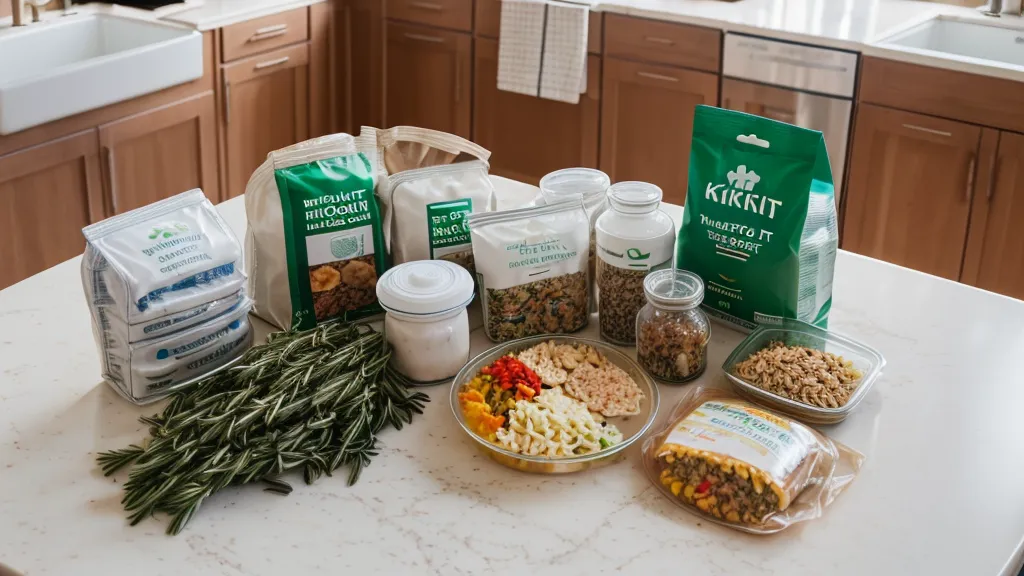
Every rotation needs a failover, and for us that's Tempo by Home Chef and Thrive Market. Tempo's microwaveable entrees are the prepared option that actually tastes like a real dinner instead of a compromise, which matters on the nights the from-scratch system is fully offline — no cutting board, no extra pot, just a beep and a plate before the youngest's bedtime meltdown starts. On a hybrid work-from-home day, it doubles as my own lunch just as easily as it covers a kid's dinner, so the line between what's built for lunch and what's built for dinner gets pretty blurry with this one.
Thrive Market is the pantry backup, not a meal kit at all really, and I use it to stock the shelf-stable staples that bridge the gap between deliveries — pantry backup instead of fresh delivery is the whole point of it, so if a kit shows up short an ingredient, I'm not aborting dinner and calling for pizza. The membership fee only makes sense once you look at it against what we'd otherwise spend keeping two or three boxes running every month; on its own the membership-fee breakeven math looks bad, but stacked against a full rotation it evens out, and thinking about cost per plate across four services at once, rather than any single box in isolation, is really the only honest way to judge whether any of this is worth it. More on how I use it day to day is in my Thrive Market strategy post.
The Kit That Wins Tuesday Night
After a year of rotating through all four, there isn't one box that wins outright — there's just the one that fits whatever capacity I actually have that week. For a primary service that balances recipe variety, realistic prep time, and an app that lets you skip weeks without a fight, Home Chef is the one I'd tell any other working parent to start with; it's held up through the first week of kindergarten and the darkest stretch of a Wisconsin winter without a single week I regretted keeping it running.
If the actual goal on a given night is minimizing time at the stove to nearly zero, Tempo earns its spot as the supplement, not the main event. What I'd actually pass on to another parent staring at their own dinner rotation isn't a ranked list, though — it's that the multi-service rotation strategy only works if you stop treating any one subscription as the permanent answer and start treating your week itself as the variable. Match the kit to the week you're actually having, not the week the marketing photos assume you're having, and the whole system stops feeling like a Tuesday-night emergency.
Home Chef
Pros
- ✔ Consistent 12 to 15 recipe variety each week
- ✔ Express options that actually respect the 15-minute claim
- ✔ Reliable app for pausing and skipping during busy weeks
Cons
- ✗ Packaging waste is significant for pre-portioned items
- ✗ Portion sizes can feel tight for very hungry adults