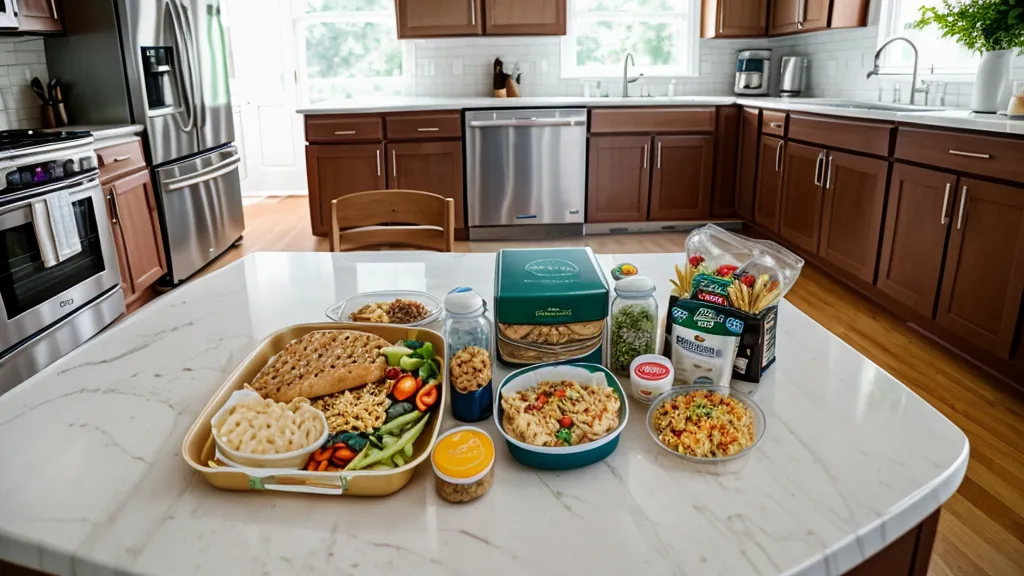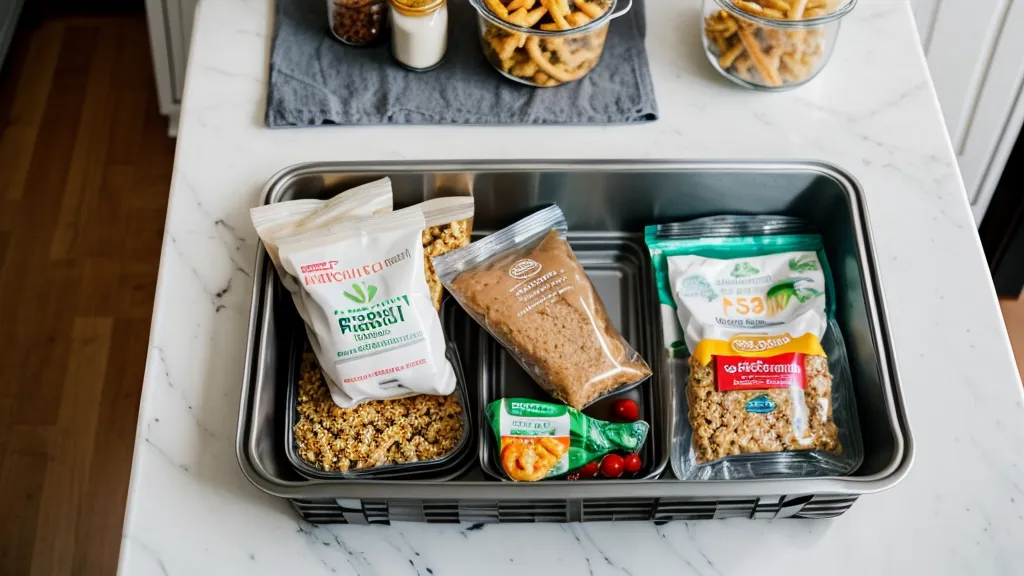
The cleats are still damp on the mudroom mat when I slide a plate across the counter: still warm, no scramble, no backup bowl of cereal. That one unremarkable win is the entire goal of a working meal-kit rotation: not an impressive dinner, just family dinner efficiency that survives a Tuesday that was never going to cooperate. Three years into rotating between boxes, I've landed on a system for subscription-management that treats every service as one tool in a bigger stack, not a single fix I'm supposed to love forever.
Quick disclosure before the breakdown: some of the links below are affiliate links, and if you sign up through one I earn a commission at no extra cost to you. Everything here comes out of one Madison, Wisconsin kitchen, tested the way I test releases at my actual job — I'm a software QA engineer, not a chef or a dietitian, so treat this as one household's working-parent hacks rather than advice for your own kid's allergies or diet, which is a pediatrician's job, not mine.
Why One Subscription Never Covers a Full Week
Here's what nobody mentions when you sign up for your first box: no single service survives every weeknight in a row. A Wednesday with practice at 5:30 needs something completely different from a Thursday when both parents are stuck on a call that ran long, and one subscription — no matter how good its menu looks — eventually runs out of answers for that range. That's the real case for weeknight logistics built around more than one kit at a time, and it's also why comparing the cost to groceries only makes sense against the version of grocery shopping you'd actually do that week, not an idealized one. A friend who takes improv classes at a theater downtown texted me last month asking which box to start with, and the honest answer was "depends on your Tuesday" — which is basically the whole argument here.
Before I accepted that multiple services were the answer, I tried fixing the problem with a meal-planning app that had a gamified streak feature. I made it twelve days before I stopped opening it, because a badge for cooking on schedule does not survive a sprint release crunch. The deeper mechanics of building a full multi-service rotation without burning out on menu choices is its own long conversation — I've written separately about the Rotation Logic I use to decide which box runs which week.
Matching the Kit to the Night
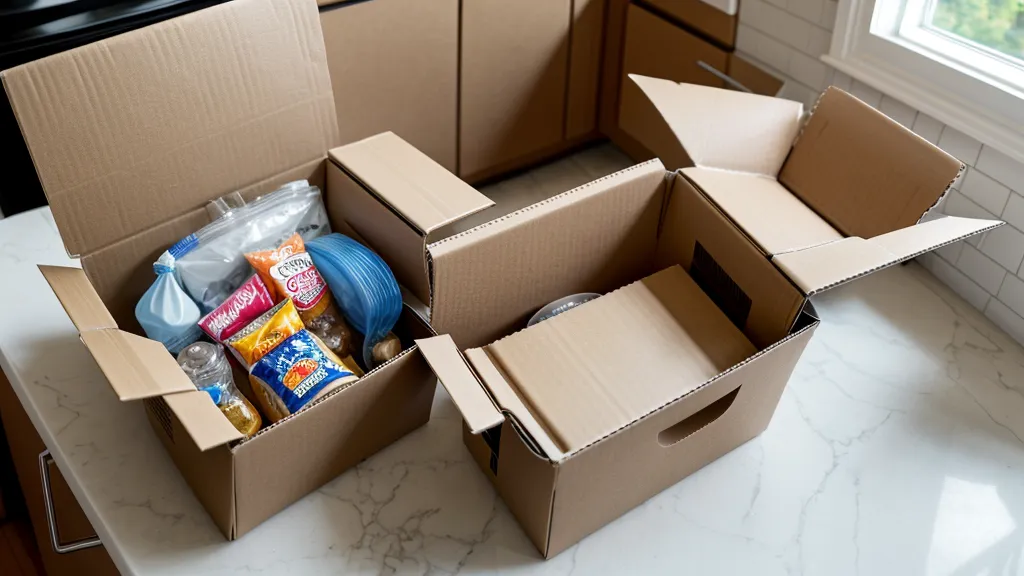
Once you're running more than one service, the actual decision rule is simple: match the kit's real cook time, not its box claim, to how much evening is actually left after pickup. Home Chef labels its quicker recipes clearly enough that you can spot them scrolling the menu, and a tag promising fifteen minutes usually runs longer once you count washing produce — fine on a Sunday, tight on a Wednesday. Kid acceptance matters just as much as speed, because a recipe that scores well on paper and gets picked apart at the table isn't actually saving the evening, it's just relocating the chaos to the dinner table. Portion sizing is the third variable, and it's the one marketing photos never show you: a box built around two adult appetites runs short the second a kid decides he's eating like a teenager, so knowing which lines run lean matters more than the recipe description.
Swap options help here more than people expect. Being able to trade a protein or a side before the box ships means you're not stuck explaining to a six-year-old why dinner has mushrooms in it again. Blue Apron sits on the opposite end of that cook-time problem. Its technique cards are genuinely good — my older kid reads them unprompted — but its claimed times skew long on a school night in a way that turns a quick dinner into the meeting that was supposed to be an email.
What Happens When Nobody Pauses in Time?
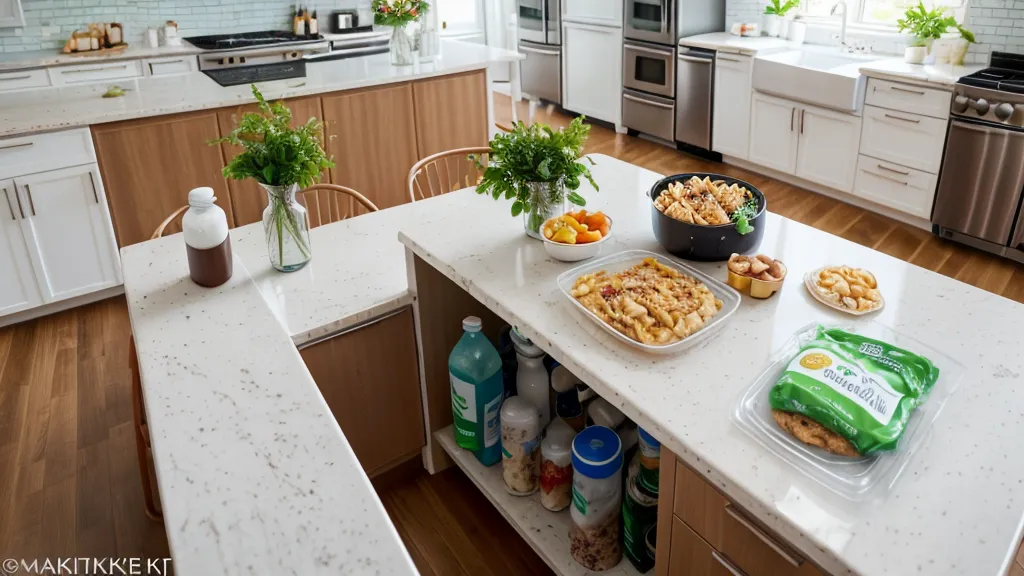
Every rotation eventually breaks the same way: nobody pauses a box before the cutoff, and two services show up the same week. The subscriptions worth keeping are the ones where pausing is one click, not an email chain, and that single feature has quietly become more of a deciding factor than menu variety. Tempo by Home Chef earns its spot in the stack on exactly this logic: it's microwave-only, so it's less a dinner replacement than a single-serve backup for whichever parent is eating after everyone else, and it plugs lunch gaps on hybrid days just as easily as it covers a chaotic dinner. Menu variety still matters on the Home Chef side of the rotation, but rotation fatigue is real. Run the same twelve to fifteen recipes for long enough and the kids start calling dishes by the box they came from instead of what's actually in them.
Thrive Market plays a different role entirely. It isn't a meal kit — it's the pantry backup for the week a fresh box isn't getting cooked, and the membership fee only makes sense once you're already running two or three boxes a month and using the staples in between. You can read more about how that balance plays out on a hard week in my Reality Check on the Kindergarten Rush. A reader named Priti Mehrotra once pushed back hard enough on a cleanup complaint of mine that I started actually tracking pan count next to each box in my notes, and it turns out dish count predicts a weeknight's success almost as well as cook time does.
The Comparison Columns Most People Read Wrong
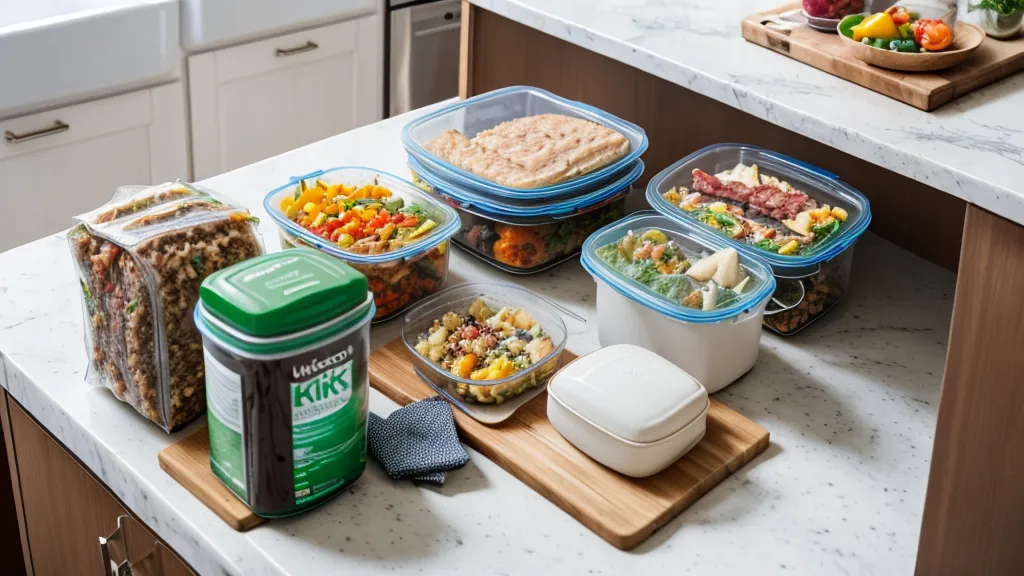
Cost-per-plate numbers get thrown around a lot in these comparisons, and the honest version is qualitative: some boxes land close to a cheap takeout order per plate, others land well above it, and the gap is usually worth about one takeout dinner across a week. Not a precise figure anyone should be auditing against a spreadsheet. Ingredient quality on arrival is a better signal than price anyway. Crack the vacuum seal on a protein tray and you get an immediate, honest answer: a sharp little snap, then a quick look at whether the cut matches the glossy photo or not. The prepared-versus-from-scratch question matters more on weeks with zero bandwidth, since a heat-and-eat line skips the cutting board entirely but usually costs you in portion size, while a from-scratch box costs you time instead.
Lunch fit is a separate axis from dinner fit, and it's one most comparisons skip. A box built for a sit-down family dinner is rarely the right shape for a solo hybrid-work lunch, which is really where the single-serve option earns its place. Vegetarian depth varies more than people expect too: some weeks the vegetarian menu feels like an afterthought, other weeks it's deep enough to run the whole rotation on its own. The pantry-versus-fresh-delivery question isn't really about which is better. It's about which gap each one is filling. Fresh delivery solves the cooking problem, pantry backup solves the nothing-in-the-house problem, and the two aren't interchangeable. Even something as small as store-brand snacks versus name-brand ones in a grocery add-on box ends up mattering on the weeks a kid's lunchbox depends on it.
Build the Rotation, Don't Rebuild It Every Season
None of this works as a single decision made once. It works as a standing rule: heavy week, default to the fast-prep tag; light week, risk the box with more steps; trip on the calendar, pause before the cutoff instead of after it. Some weeks are for Home Chef and its clearly labeled fast options, and some weeks are for admitting defeat and reheating a Tempo entree so dinner stops being a decision at all. The Fast Prep promise genuinely holds up, but only for someone with the bandwidth left to execute it. On a Thursday, that's not always a given.
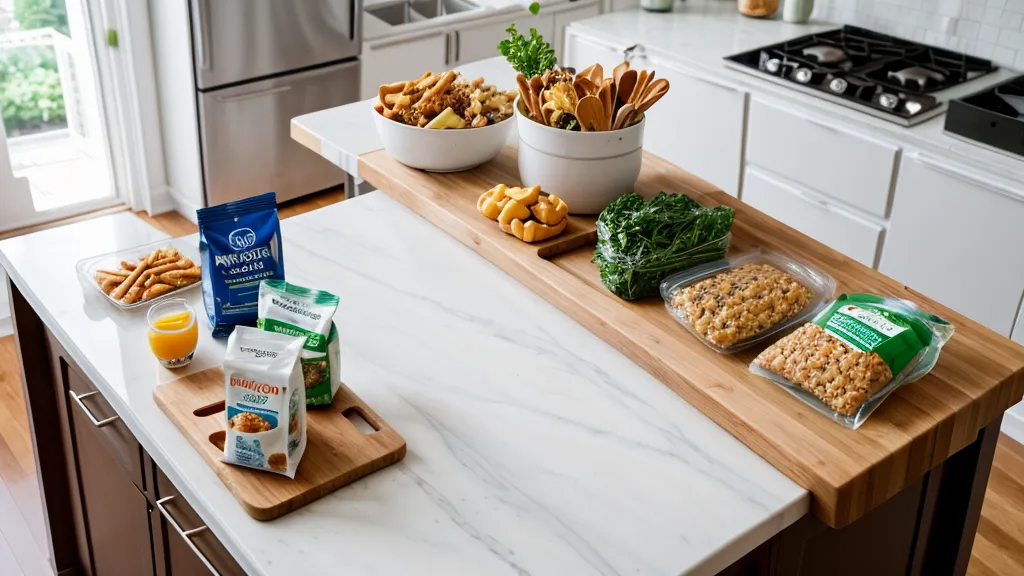
Dinner doesn't need to look like the box photo. It needs to be on the table before two kids and a work notification collide, and that's a solvable logistics problem, not a cooking one. If you're ready to see whether a rotation like this would hold up in your own kitchen, the Home Chef menu is the easiest place to start, and their weekly fast-prep lineup is worth checking before you decide this is one more thing to manage instead of one less.