
My grocery receipt from that week was thinner than usual — everything on it got used before it turned into a science experiment in the crisper drawer, which almost never happened during my first year of running a meal kit rotation through a busy house with two kids and a hybrid work schedule. Somewhere between six different services and a lot of paused subscriptions, I landed on an approach that treats family dinner logistics the way I treat a messy codebase: not fixed once, just managed on a schedule.
Before any of this, I tried the workaround everyone suggests: pre-marinated proteins from the butcher counter, ready to just go in a pan. It cut prep time, sure, but I still had to stand there each night figuring out two sides from whatever was left in the fridge, and that mental tax never went away. Weeknight dinner turns out to be less about the protein and more about everything around it, which is the kind of gap you notice fast when your actual job is QA engineer work — hunting for the failure nobody flagged in the ticket. I live in Madison, work hybrid three days a week, and have spent three years treating our subscription boxes like a system that needs regular testing, not a single fix I get to walk away from. I'm not a chef and don't have any nutrition credentials — this is notes from one kitchen, not a study anyone should generalize from.
The Five-Day Window Runs My Subscription Calendar
Most of these services want five to seven days' notice before you skip or cancel a box, and that window has become the most important recurring appointment I keep. Miss it, and a kit you didn't plan for shows up anyway, a deployment you didn't peer-review, dropped on a Tuesday you don't have time for. My coworker Cleo, who's skeptical of any subscription she can't cancel in under four clicks, gives me grief about keeping three kits half-active instead of picking one and sticking with it. But that flexibility is the whole point: pausing instead of committing is what keeps a rotation useful instead of one more subscription I feel guilty about canceling.
A reader named Augustin emailed me a while back asking how our house decides when to pause a kit before summer travel. His family runs on evening shifts, so his partner handles most of the actual cooking, which changes the math, but the answer held anyway: check the calendar before the window closes, not after you've already been charged for a box nobody's home to open.

What Does 'Cook Time' Actually Mean on a Tuesday?
The number printed on the recipe card has never matched what happens at my counter: a kit that claims fifteen minutes and runs closer to thirty-five is the meeting that should've been an email, every time. Portion sizes have their own gap: the family box says it serves four, but with one kid negotiating over anything green, it never quite stretches that far. What actually decides whether a kit stays in rotation isn't the clock time at all: it's whether my kids eat it without a production, a completely different scorecard than the one printed on the box.
The Dish Count Nobody Puts on the Box
Cook time was never the metric that mattered in our kitchen: dish count was. Our galley kitchen opens straight into the mudroom where backpacks pile up all winter, and the counter has a worn strip in the laminate right where I set hot pans down without thinking, which tells you everything about how many pans a 'one-pan' recipe actually used. I've had so-called quick meals leave every pot we own soaking in the sink, and unpacking doesn't help either: marinade dries into a sticky film on the cardboard tray liner by the time I get to dinner, so half the cleanup starts before the stove is even on. That frustration is exactly why I wrote a Home Chef Cleanup Review — I wanted a kit that didn't lie about how tidy 'quick' was supposed to be. The ones that actually deliver on that, where more of the work is done before it ever lands in the box, are what balancing Tuesday night chaos really comes down to.
Stop Paying for What's Already in the Pantry
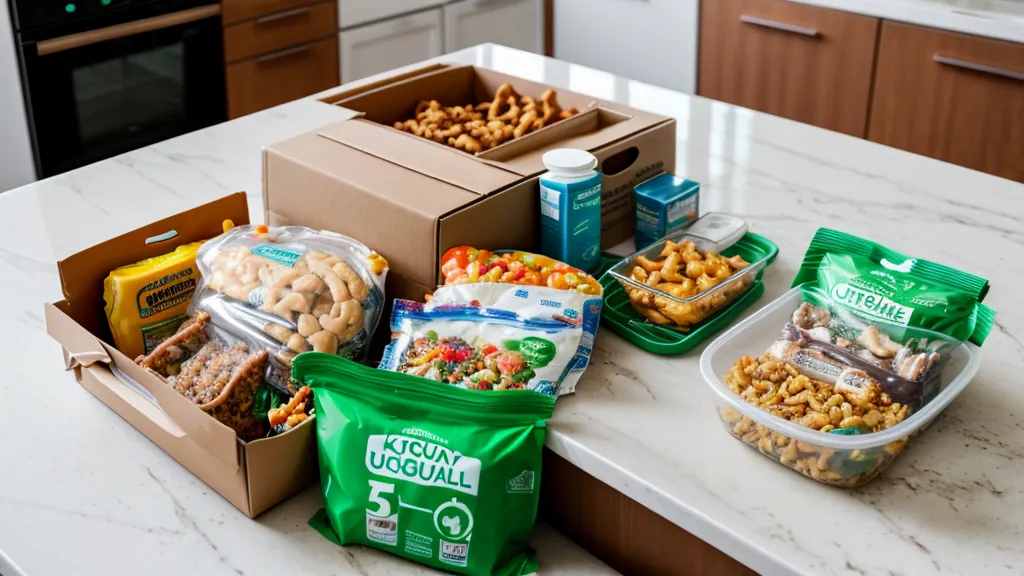
Here's the part the intro-offer emails never mention: a full pantry turns a meal kit into a net loss, not a convenience. Every time I unpack a bag with two tablespoons of rice or a single shallot, I think about the five-pound bag already sitting behind our pantry door, the one that hasn't closed flush since the frame warped a couple years back. I'm paying a premium for packaging — including the ice packs and liners that pile up until I deal with recycling them — around food I already own.
Looking hard at meal kits vs groceries changed how I think about cost-per-plate. A kit rarely beats a grocery run on raw price, but it wins on the hours it saves me from planning — that's a different kind of value, worth being honest about instead of pretending it's the cheaper option. When I skip a week entirely, I do a grocery run at Willy Street Co-op on Williamson Street and buy exactly what's needed instead of what a box decided for me. That same logic is why I've kept one pantry-style backup service in the mix instead of relying only on fresh delivery, though the membership fee only pencils out if you're using it more than once a month — worth checking before stacking it on top of a regular kit subscription.
Three Subscriptions, Paused and Waiting for Their Turn
My current approach is triage: three services stay active but paused, and every week I decide which one — if any — actually gets to ship. A late meeting on the calendar means I pick whichever kit has a pre-made sauce and the fewest steps. A packed Saturday means I skip the box entirely and grab a rotisserie chicken instead. That pattern showed up clearly by the fourth week of running it this way and hasn't really changed since — lighter receipts, fewer wasted vegetables, less negotiating over what's for dinner.
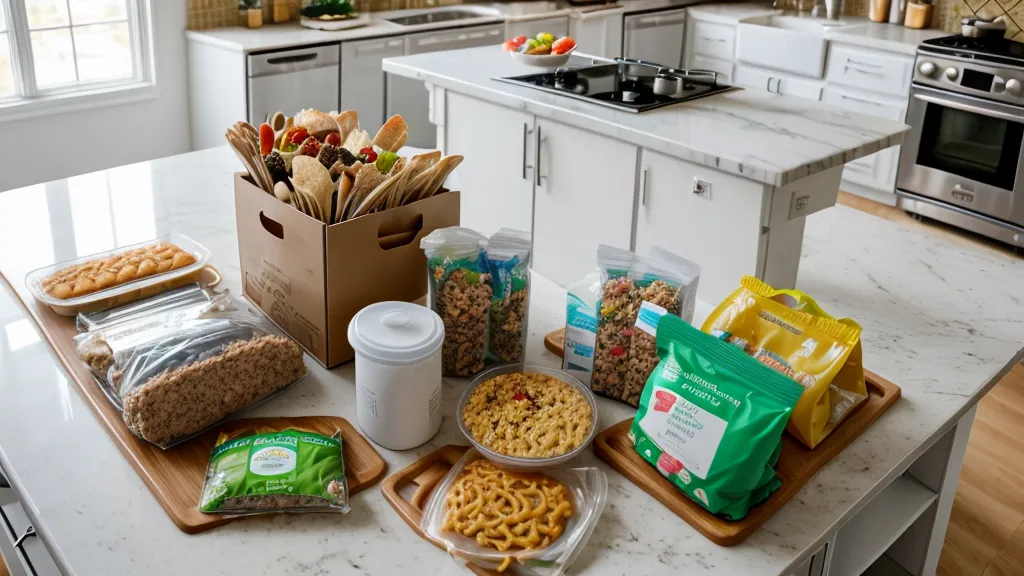
None of this is about brand loyalty. It's about which service survives past the first month, once the new-subscriber excitement wears off and ingredient quality on arrival starts to matter more than the photos ever did. Wilted greens twice in a row and a kit is off the rotation for a few months, no hard feelings. The kits that let you swap a protein or drop an ingredient without losing the recipe entirely tend to stick around longer than the rigid ones, and a couple of the services I've tried work better for the lunches I pack for myself than they ever did for a family dinner — worth knowing before you commit a whole week's budget to one box.
Running two or three services at once, instead of staying loyal to one, is really the whole strategy. It's the one thing I'd tell any working parent starting this same rotation: stop hunting for the single best kit, and build a bench of two or three you can rotate depending on what the week actually looks like. That's the lesson that's held up longer than any single service has.