
A fifteen-minute recipe card and an actual Tuesday night rarely agree on how long dinner takes. One is marketing copy, the other is a kindergartener negotiating over green beans while the oven timer quietly lies. That gap is the entire reason this meal kit comparison exists in our house: a working mom's logistics problem, not a cooking hobby, built out of hybrid workdays and enough family logistics to make a calendar app weep. Before any of this rotation started, there was the cereal-at-the-counter night. Both of us were stuck on calls, the youngest already in pajamas, the oldest eating dry cereal standing at the counter because nothing else was ready. That night is why subscription management for dinner became something I track on purpose instead of something I just survive.
Quick disclosure before the rundown: every meal kit link on this page is an affiliate link, and if you sign up through one, the company sends a referral payment my way — your price and whatever promo they're running stays exactly the same either way. There's no nutrition credential or formal culinary training behind any of this; it's a QA engineer applying the only skill set she actually has to a kitchen problem. Check with your pediatrician before copying anything here if your kids have specific dietary needs — this is one household's rotation, not a tested-against-everyone study.
The Fifteen-Minute Card Versus the Real Tuesday
Running this rotation like a Quality assurance project started almost by accident, because the marketing copy and the actual kitchen kept diverging and somebody in this house needed to track the gap. The number that matters most isn't flavor, it's the delta between a box's stated prep time and what happens when a five-year-old wants to help sort green beans, what we call the realistic-cook-time problem, and it rarely matches the card.
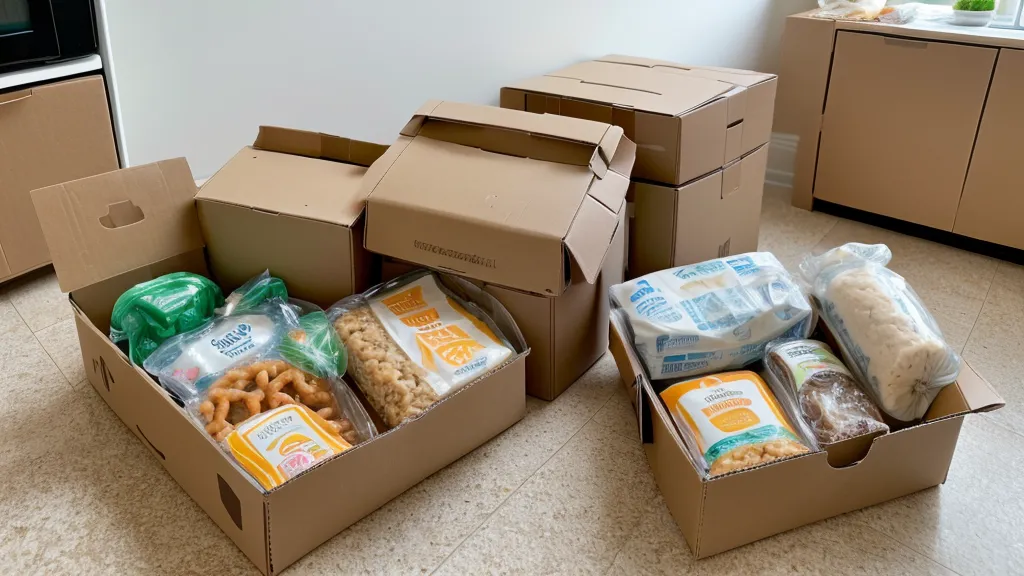
Blue Apron is the clearest example of that gap. The pot behind me was already throwing enough steam to blur the recipe card propped against the backsplash tile, and that was before the fifteen-minute timer even started counting down — three garnishes and a reduced pan sauce later, we were thirty-five minutes in, and both kids were circling the pantry for a snack to hold them over. The box is genuinely strong on Blue Apron recipe variety; we've eaten things from Madison farmers'-market season that I never would have picked up on my own. Eight boxes into one spring of this, though, that variety runs into its own kind of rotation fatigue, where even "new" starts to feel like a genre instead of a surprise. Ingredient quality on arrival has held up fine, aside from an occasional wilted herb packet that makes me double-check a recipe before committing to it.
Being honest about optimizing our weeknight meal kits means admitting which boxes actually get cooked and which ones sit until the cilantro turns into a science experiment. Blue Apron earns its spot for the weeks we want to feel like people who cook. It just doesn't belong on a night when homework is also getting supervised.
Home Chef Is the Boring, Reliable One
For the weeks already falling apart, Home Chef is where this rotation lands. Their weekly menu usually runs twelve to fifteen recipes, and the kid-acceptance rate on that list beats anything else we've tried — both kids will actually eat most of what shows up, which matters more most weeks than how the plate photographs.
The "Oven Ready" and "Express" labeling does the real work: the box tells you before you open it which meals need a cutting board and which ones just go into a tray, and on a bad day that labeling is the difference between cooking and giving up and ordering out. Pause-resume flexibility matters just as much — when a trip or a sick week means deliveries need to stop, the controls work from the app without a five-email back-and-forth, which, after testing the Fast Prep promise against our actual school-year chaos, is the one feature I'd miss most if it disappeared.
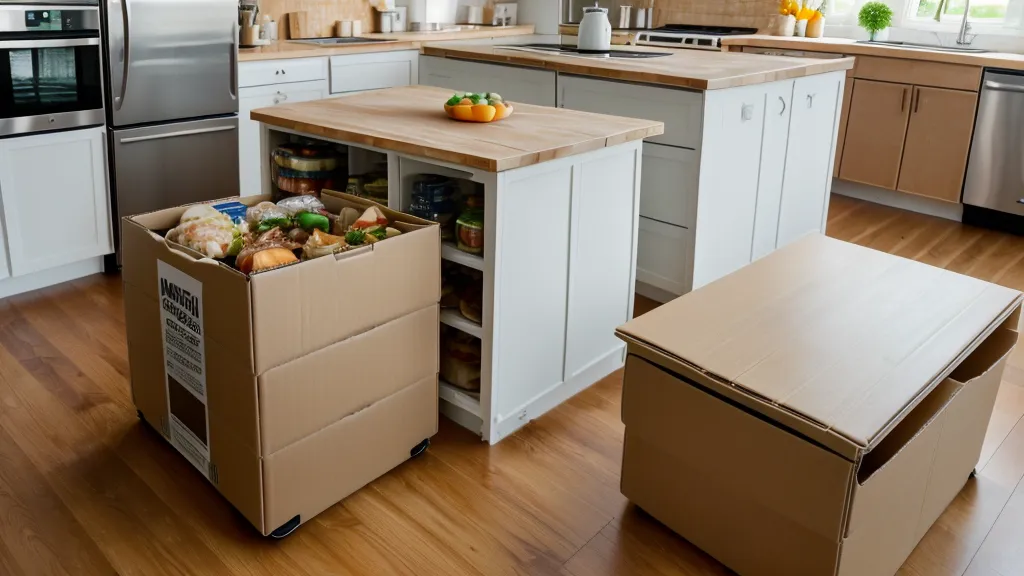
Portion accuracy is the one spot where Home Chef undersells itself: the heat-and-eat line runs a little light for two adults and two growing kids, so rice or fruit gets added to stretch it into a full dinner. Cleanup is where it wins the goodwill back — fewer pans, fewer odd little sauce bowls, and a dish count low enough that the sink afterward doesn't feel like a punishment. Their customizer also allows a protein or side swap without losing the slot entirely, which has saved more than one week where my oldest decided, again, that he hates onions.
What Do You Do When Even Fifteen Minutes Is Too Much?
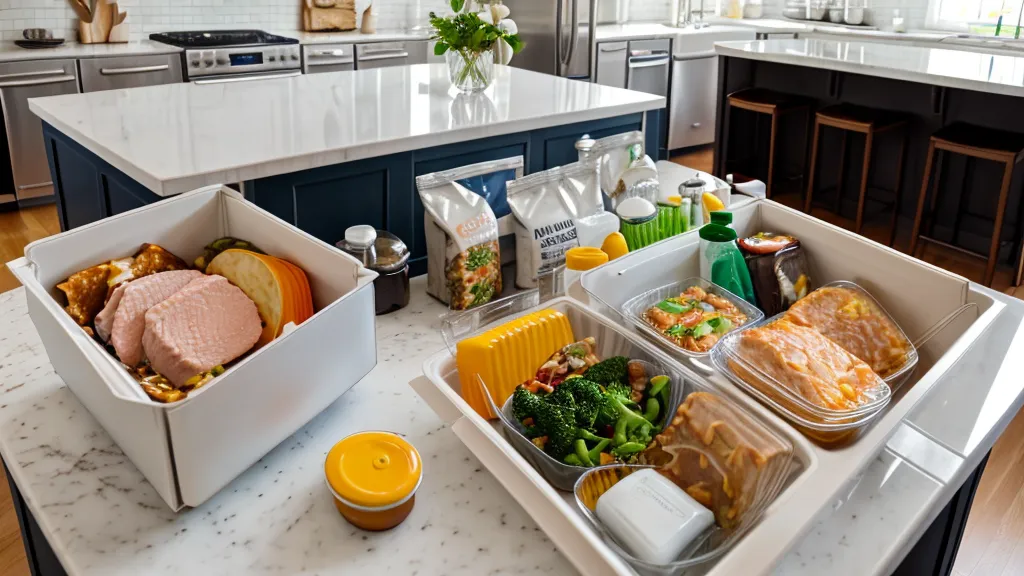
Some nights, fifteen minutes of assembly is still fifteen minutes too many. One week, soccer practice at the Garner Park fields on Madison's south side ran forty minutes past pickup and collided with a client call that wasn't supposed to go past five. That's the night Tempo by Home Chef earned its spot in the rotation. It's the microwave-first version of the standard box — no cutting board, no sauté pan, and most importantly, no extra dishes waiting at nine at night.
Weeknight logistics are exactly what Tempo is built for: it's a failover for the parent who closes the laptop after dark with no bandwidth left to discover a new recipe. The lunch-versus-dinner fit matters here too, since the portions and flavors read more like a solid weekday lunch than a family dinner — built for an adult eating alone and fast. That's also the real trade-off against a prepared-versus-from-scratch box: the cooking disappears entirely, which is the point on a night like that one, but so does anything a kid might get excited about. Don't expect the kindergartener to love a spicy grain bowl built for a tired adult.
Is Thrive Market Worth the Membership Between Kit Weeks?
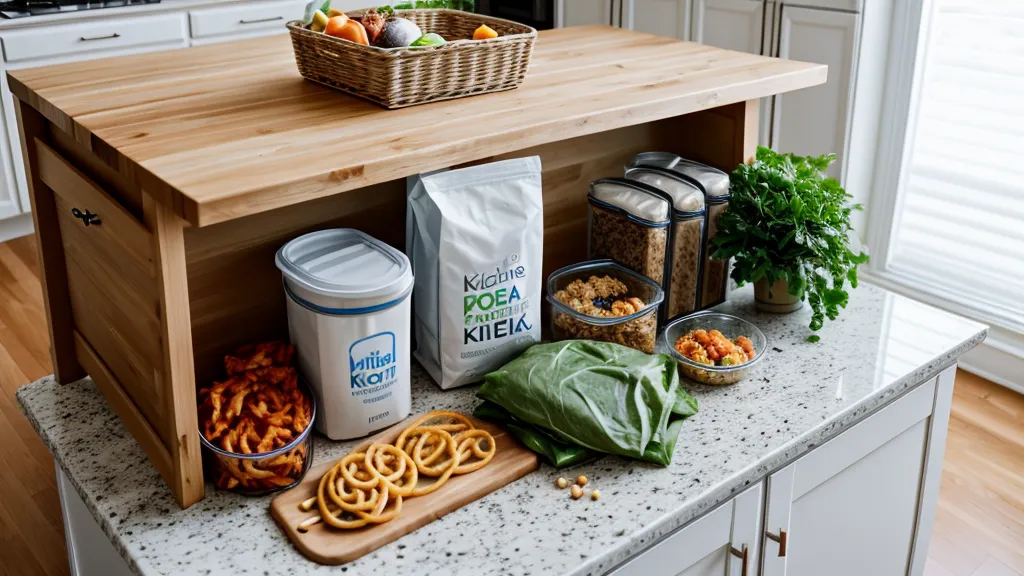
Managing six subscriptions on a rotation means gap weeks happen — somebody forgets to un-pause a box, or a trip eats a delivery window — and that's where Thrive Market earns its place. It isn't a meal kit in the recipe-and-three-sprigs-of-thyme sense; it works as pantry backup for the weeks fresh delivery doesn't line up, stocked with the snacks and frozen entrees that get the house through until the next box lands.
Their dietary filters beat any grocery app tried so far for catching specific allergens without reading every label in the cereal aisle, and the store-brand snack options hold up fine against name-brand versions the kids already know — more than once, nobody at the table could tell the difference. The membership-fee breakeven question is real, though: it only pays off if enough is already being bought through it each month to offset the cost of not having it, and for a household already running two subscriptions, that's a fair thing to hesitate over.
Counting the Real Cost, Not the Marketing Cost
A friend spends her Saturday mornings elbow-deep in clay at a pottery studio on State Street. One of mine went to pinning freezer-meal recipes and spending a whole Saturday portioning a month of dinners into bags, convinced the whole problem had just been solved for good. By the second week, both kids were refusing every single one of those bags like something suspicious had been served, and the freezer stayed full until most of it finally got given away.
The cost-per-plate math on a meal kit never feels as simple as the box implies, and it's worth weighing against what the same dinners would cost as a plain grocery trip instead. By week six of the rotation, the grocery receipts had already changed shape: one came in shorter, not because less had been bought, but because less of what had been bought was quietly rotting in the back of the crisper before anyone got to it. Less food wasted ended up mattering more than any per-plate number.
The Packaging Pile I Can't Ignore Anymore
There's one bug in this whole system that can't be patched around: the packaging. Rotating through multiple services means plastic, cardboard, and gel-pack insulation entering the house every single week, and the volume of it is hard to unsee once anyone starts paying attention. Every clove of garlic gets its own tiny bag. Every spoonful of sour cream comes in a pouch that isn't recyclable anywhere nearby.
Compared to a bulk grocery run, the environmental footprint of an individually packaged kit is just higher, full stop. That's the part no marketing photo ever shows — the pile sitting in the garage the morning after trash day. Whether the convenience is worth that specific cost is a judgment call every household has to make on its own, and there isn't a clean answer to hand over.
My Subscription Rotation Verdict After Six Services
Staring down a box of cereal while a work notification lights up the phone usually means it's time to stop hunting for one subscription that does everything. A multi-service rotation strategy works better than loyalty to a single box, since no single kit covers a full week of real weeknights — pair the ones that are strong where another is weak, and drop the ones that stop earning their spot.
A reader named Priti Mehrotra emailed in a while back, after finding the cancel-without-stress post during a pause window of her own, asking which box handled dietary restrictions best. Her situation rules out close to a third of any given week's menu before the app even gets opened, which makes vegetarian-menu depth the actual deciding factor for her — not flavor, not packaging, not cost. That's a different rotation math than this household runs, and a good reminder that "best meal kit" depends entirely on who's asking.
Use Home Chef for the weeks guaranteed to be chaos, and Blue Apron for the weeks that call for feeling like someone who actually cooks. Anyone just starting to sort out their own rotation might find the strategy for rotating kits after the intro offers wear off a decent place to start.
None of this fixes family logistics on its own — there's still plenty of tired to go around, and the oldest still declares he hates onions at least twice a week. But the cereal-for-dinner cycle stopped, and for a household running on hybrid-work schedules and two kids' worth of after-school chaos, that counts as a working solution worth keeping.
| Product | Rating | |
|---|---|---|
| Home Chef Editor's Pick | 9.2 | Read More → |
| Tempo by Home Chef | 8.5 | Read More → |
| Blue Apron | 8.0 | Read More → |
| Thrive Market | 7.8 | Read More → |
Home Chef
Pros
- ✔ Clear 'Fast & Fresh' labels that actually respect a working parent's time
- ✔ Reliable 12 to 15 recipe rotation that kids actually recognize as food
- ✔ App-based 'pause' controls that make managing the rotation easy
Cons
- ✗ Heat-and-eat portion sizes can feel small for four people
- ✗ The amount of individual plastic packaging is a real environmental downer