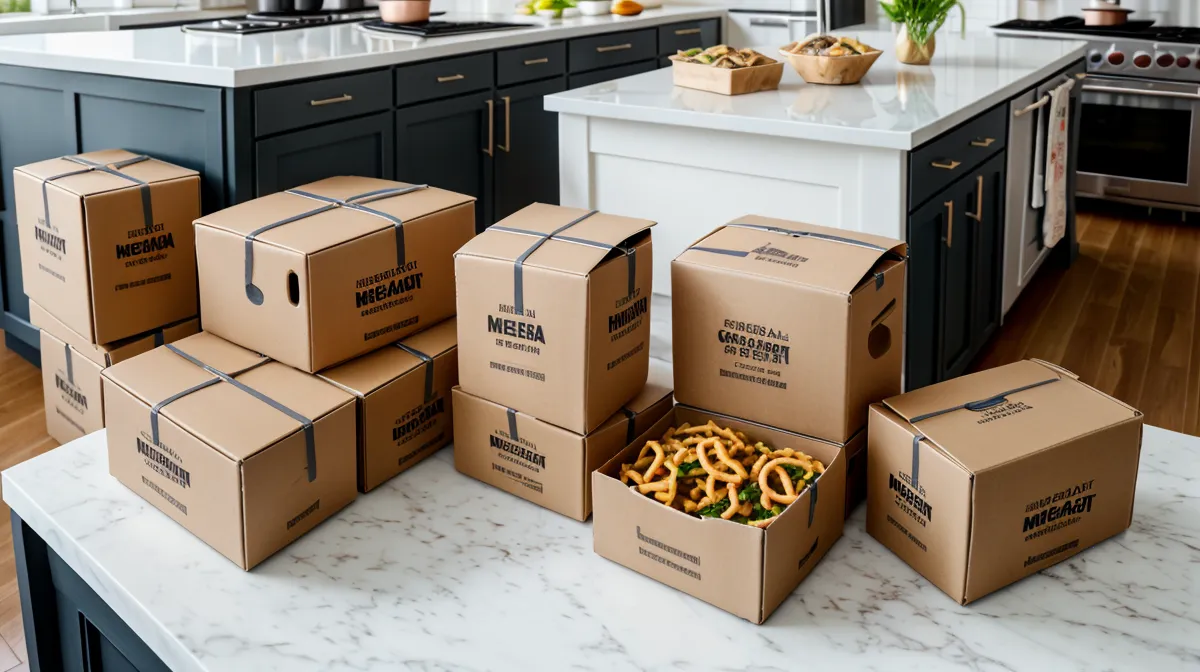
I was standing in my Madison kitchen on a humid evening in mid-June, staring at a recipe card that looked like a piece of high-end art while my youngest tried to put a soccer ball in the dishwasher. It was one of those nights where the humidity makes the air feel like a damp wool blanket and the hybrid work-from-home fog hadn't quite lifted. My older kid was already asking about dessert before I’d even found the garlic. This is the reality of the dinner rotation — not the quiet, glass-of-wine-in-hand life shown in the glossy marketing photos, but a high-stakes race against a kindergarten bedtime that never moves.
As a software quality assurance engineer, my brain is wired to look for edge cases. I spent years finding the bugs in complex systems, so it was only natural that I started 'load testing' these meal kit subscriptions against our actual family schedule. Since spring 2023, I’ve rotated through 6 different services, pausing and resuming them like I’m managing a server farm. I’m not a chef, I have zero medical training, and my takes come purely from a household where 'success' is defined by nobody eating cereal at the counter because the parents got stuck in late client calls.
The 15-Minute Meeting That Should Have Been an Email
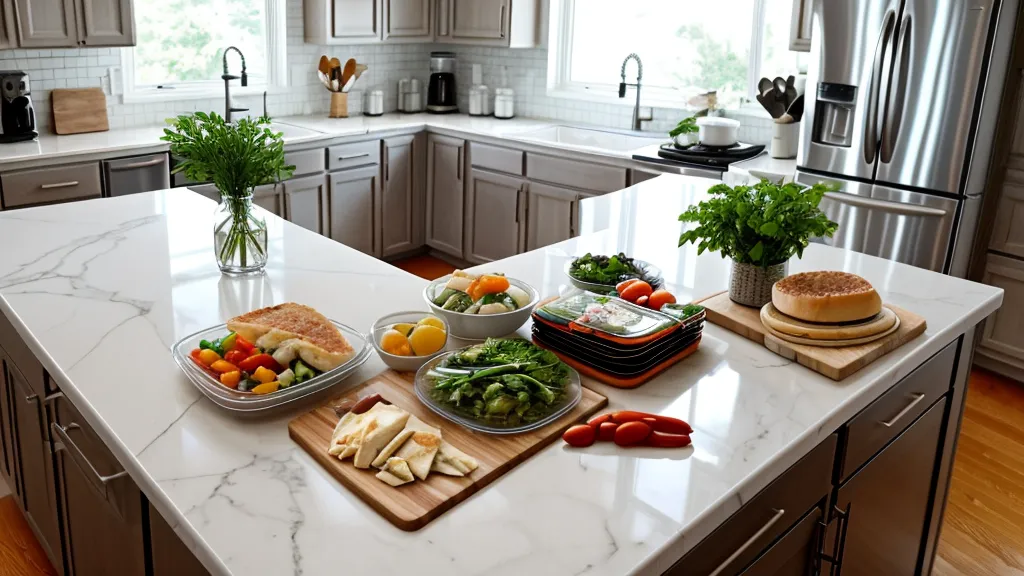
In the world of software, we have a name for things that take twice as long as promised: scope creep. In the meal kit world, this happens every time a recipe card claims a '15-minute' prep time. I’ve realized that the '15-minute' kit is often just the meeting that was supposed to be an email — it sounds efficient on the calendar, but by the time you’re through, your whole afternoon is shot. During one rainy Tuesday evening earlier this summer, I attempted one of these 'quick' meals. The card assumed I had the knife skills of a professional and a sous-chef to clean up behind me.
The reality? A 15-minute claim usually ignores the logistical overhead. It doesn't account for the time spent hunting for a zester you haven't used since 2019 or the minute you lose every time you have to tell a child to stop using the dog as a footstool. I’ve found that even the 'fast' kits often hit that maximum listed prep time of 45 minutes once you factor in the 'human' variables. If you want to see how these timelines actually shake out when you’re on the clock, I wrote about Testing the 'Quick-Prep' Promise: A Madison Mom's Reality Check on Meal Kit Speed based on a few particularly frantic weeks.
The Multi-Pan Tension and the Sink of Doom
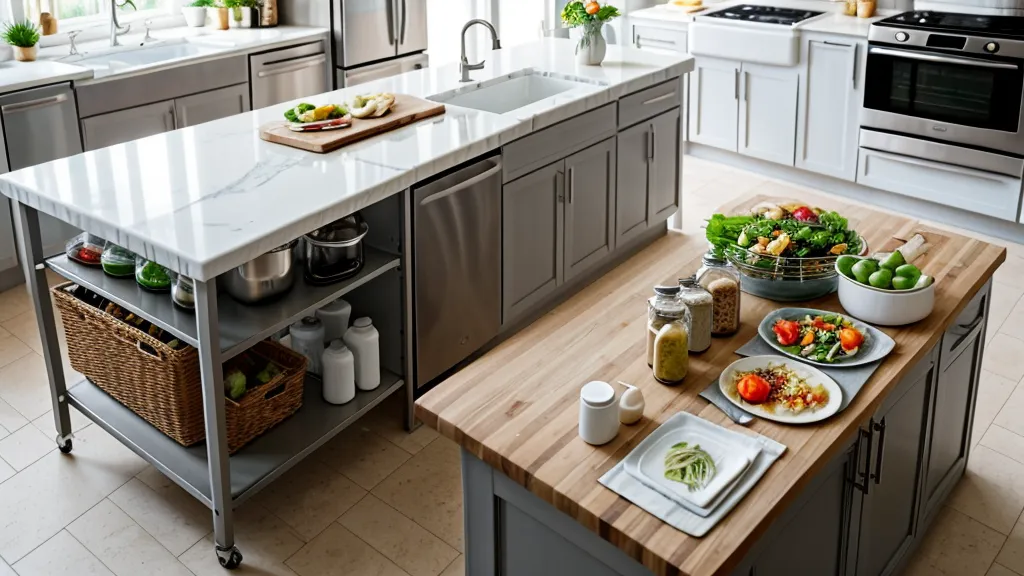
There is a specific kind of shoulder tension that sets in when you realize a '20-minute' meal requires three different pans and a food processor you haven't cleaned yet. I’ve noticed that the services claiming to be 'culinary adventures' are the biggest offenders. They want you to sear, then roast, then reduce a sauce — all while your youngest is already in their pajamas and starting to get the 'overtired' glazed look in their eyes. By the time I’m done, the kitchen looks like a crime scene, and I’m staring at a sink full of dishes that will take longer to wash than the meal took to eat.
This is where the marketing photos betray us. In the photos, the ingredients are pristine. In reality, you might find the slimy texture of a single forgotten scallion at the bottom of the crisper drawer compared to the crisp, vibrant photo on the card. Most kits are designed to survive the journey — those insulated liners and gel packs are legally designed to keep things food-safe for up to 48 hours — but they can't save a delicate herb from being crushed by a heavy bag of potatoes during the Wednesday morning delivery scramble.
The Math of the Mid-Week Box
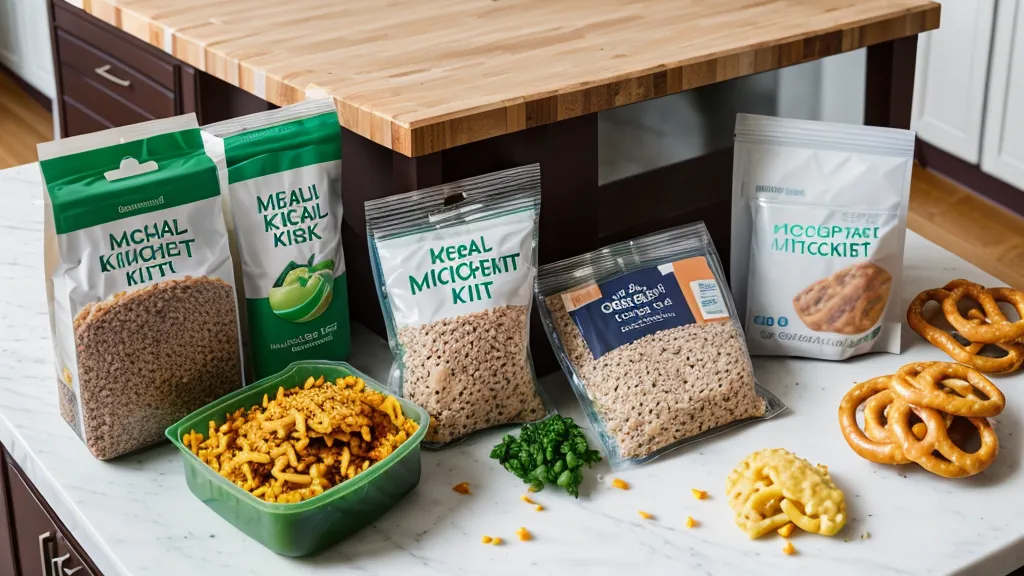
When you’re rotating through 6 different services, you start to see the patterns in the math. Most of these services default to a standard recipe count of 3 per box, with 2 servings per recipe. For a family of four with two small kids, this math is... optimistic. We’ve had to learn the hard way that 'two servings' is barely enough for one hungry adult and two kids who suddenly decided they love broccoli but hate chicken. We often end up supplementing with our own pantry staples, which the kits assume you have anyway — salt, pepper, and olive oil are the bare minimum, but I usually keep a stash of extra pasta or rice just in case the portion sizes don't survive the kids' growth spurts.
What’s interesting is that while these kits are marketed for 'convenience,' I’ve found they actually increase your total time in the kitchen compared to batch-cooking or just grabbing semi-prepared staples from the grocery store. With a meal kit, you are forced into a specific workflow every single night. You can't just 'pivot' to a 10-minute quesadilla without feeling the guilt of the $70 box of fresh ingredients slowly wilting in the fridge. You are locked into their timeline, their prep steps, and their cleanup requirements. It’s a rigid system, and as any QA engineer will tell you, rigid systems break easily under stress.
First Week of School: The Ultimate Load Test
The real test came during the first week of school in late August. Between school forms, new backpacks, and the general emotional upheaval of a kindergartner starting full days, my brain was at capacity. I needed the kits to just *work*. This is when I started leaning heavily on the 'one-pan' or 'sheet-pan' options. If a recipe requires more than two bowls, I’m out. My sanity is worth more than a 'deconstructed' anything. I’ve learned to use the 'pause' feature in the apps religiously — most let you skip up to five weeks in advance — so I only have boxes arriving when I know I have the mental bandwidth to handle them.
I’ve realized that for our family, the kits that survive past month two are the ones that prioritize logistics over luxury. I don't need a culinary adventure on a Tuesday; I need a 'don't-make-me-think' solution. If you're trying to figure out how to juggle multiple subscriptions without losing your mind, I’ve found that The QA Engineer’s Rotation: Balancing Tuesday Night Chaos with Four Different Meal Services is a pretty solid framework for keeping the fridge stocked without the waste. It’s all about managing the 'scramble' before it manages you, especially when the school-year schedule kicks into high gear. Check with your own pediatrician or a registered dietitian if you're worried about actual nutrition, but for us, the goal is just getting everyone to the table at the same time.
Accepting the 'Good Enough' Standard
After five months of this latest rotation — from the humid days of June to the crisp start of September — I’ve accepted that 'good enough' is the gold standard. I no longer care if the steak isn't perfectly medium-rare or if the older kid declares he hates onions for the third time this week. The meal kit isn't a magic wand; it’s just another tool in the box, like a dishwasher or a hybrid work schedule. Some weeks it’s a lifesaver, and some weeks it’s just a box of expensive chores that I eventually have to throw away because we ended up getting takeout anyway.
I still use them, but I use them with my eyes open. I know that a '30-minute' label rarely accounts for the time spent scrubbing a crusty sheet pan while the kids are finally asleep. I know that the 'fresh' scallions might be a little sad. But as long as it keeps us from that cereal-at-the-counter disaster, it’s a bug-fix that I’m willing to keep in production. If you’re struggling with the transition from summer to the classroom, you might find some comfort in my notes on Managing the School-Year Scramble: Why My Family Rotates Through Four Different Meal Services. Just remember: the marketing photos aren't real, but the Tuesday night rush is — and survival is the only metric that matters.