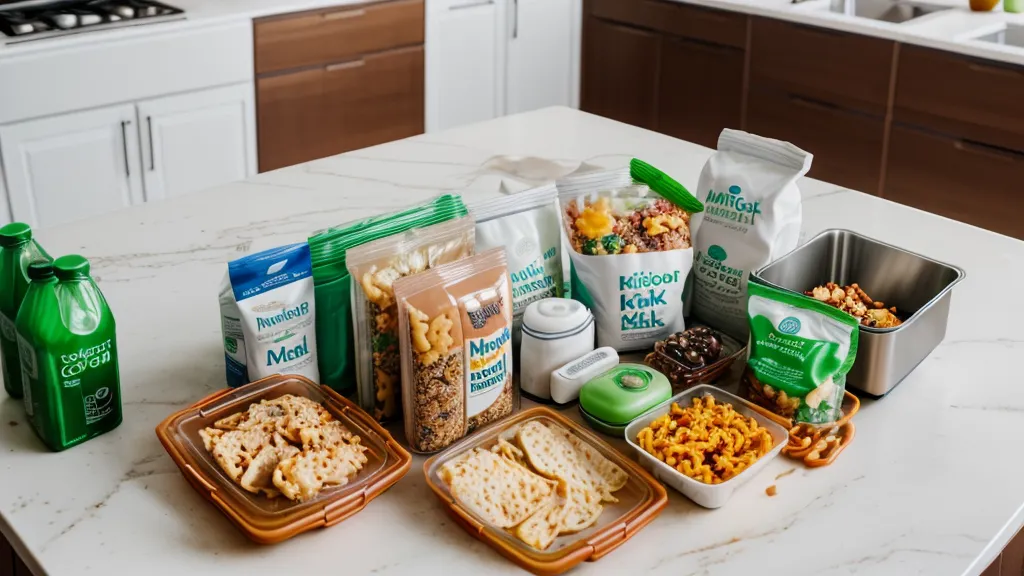
My youngest has a finger pressed against the insulated bag on the counter before I've even broken the zip tie, already bouncing because she's figured out which tray flavors arrive in which colors. That reaction is the whole argument for keeping a stack of healthy pre-made meals in rotation next to our regular family meal kit — hybrid work doesn't hand you one predictable dinner problem, it hands you two, and they don't share a solution.
Quick disclosure up front, since this page leans on affiliate links: Home Chef, Tempo by Home Chef, Blue Apron, and Thrive Market are all linked here through commission arrangements, and signing up through one of those links costs you nothing extra while I get a small cut. I've run all four through real Madison weeks — overlapping sprint deadlines, soccer pickups, a kindergartener who negotiates everything — and the one that quietly stopped getting opened gets named here just as plainly as the one that earned a permanent shelf spot.
Pre-Made Trays and Family Meal Kits Solve Different Tuesdays

Hybrid work sounds like it should make dinner easier, since you're technically home three days a week. The calendar disagrees. Standups stack on top of bug triage, a client demo runs long, and by the time pickup and drop-off are done, starting a from-scratch recipe is optimism dressed up as a plan. A kit's quoted cook time is the least trustworthy number on the box. The fifteen-minute recipe that behaves like a half-hour meeting that should have stayed an email, the thirty-minute recipe that eats closer to forty-five once a kid needs help mid-chop.
That gap is exactly where the two categories split. A family meal kit assumes everyone sits down together, which works fine on a night both parents are actually home for it. A single-serve, pre-made tray assumes you're eating on a different clock than everyone else — lunch between calls, or dinner after a call runs past bath time. I mapped our broader rotation logic in How I Debugged Our Dinner Schedule: A QA Engineer's Guide to Rotating Meal Kits, but the question of eating solo on a staggered schedule deserves its own comparison.
Opening a Tempo Tray: What You Actually Get
Adding Tempo by Home Chef trays into the weekday mix happened during a stretch when skipped lunches and cold coffee had become the default. Tearing the seal on the protein pouch gives a sharp little pop that still catches me off guard, and a few minutes later there's a hot, protein-forward meal with no cutting board, no pan, and exactly one fork to wash after. The calorie and macro numbers sit right on the sleeve and on the ordering page ahead of time, which is more at-a-glance nutritional balance information than most family dinners get without someone doing the math by hand.
Portion size is the honest tradeoff. These trays are built for one adult eating one meal, not a table of four, so a single tray next to a growing teenager or an endurance athlete is going to come up short. Whether a specific dinner gets eaten by a kindergartener without a renegotiation is a completely separate scorecard I keep elsewhere. Occasionally a tray arrives with a shorted side or a torn pouch, and how fast a service fixes that — a credit, a replacement, radio silence — tells you more about them than any marketing copy does.
Where Home Chef, Blue Apron, and Thrive Market Fit Around It
Home Chef is still our anchor on weeks we actually have the runway to cook together. Their rotating menu runs wide enough that we're not stuck repeating a handful of dinners over and over, fast-prep recipes are flagged clearly enough that my husband can grab one without guessing, and their ingredient-swap options mean one kid's onion objection doesn't sink the whole plan. The dish pile is real, though. Pans and a cutting board every time, which is the opposite of what a Tempo tray asks of you. For the longer version, there's What Survived the Weeknight Crunch: Why Home Chef Won Our Family Dinner Rotation.
Berta Prendergast, a friend from the soccer sideline, is the one who pointed out that Home Chef's skip deadline closes earlier than the reminder email makes it sound. She runs her own small accounting practice and treats every recurring charge like it owes her a quarterly explanation, so she actually checks these things. Pause and skip controls matter more than people expect; a subscription that's painless to pause is a completely different financial commitment than one that quietly charges you through a trip or a slow month, and we rotate between more than one service specifically because no single one covers every week on its own.
Blue Apron stays in the mix for weekends, not weeknights. The ingredient quality on arrival is consistently good, and the recipe cards teach actual technique well enough that my older kid reads them like a comic book. But the menu rotates in a way that starts to feel familiar faster than the other boxes, cooking times run long once you add a real kitchen interruption, and the vegetarian lineup is thinner than I'd like for a kid who's decided several vegetables are enemies. It's a fantastic Friday with a glass of wine and a useless idea on a Tuesday with a defect review running late. We keep Blue Apron on its own pause schedule rather than a weekly one.
Thrive Market isn't a meal kit at all, which is exactly its job. Between box weeks, their pantry staples, quick broths, and allergen-filtered snacks are what keeps a grocery run from turning into a panic trip, and their store-brand options hold up fine against the name-brand kid snacks at a noticeably better margin. The membership fee only makes sense once you're already running two or three deliveries a month between the other services — on its own, it's a hard sell. We use Thrive Market as the fallback shelf, not the main plan.
Is the Subscription Premium Actually Worth It Over Bulk Grocery Prep?
The honest answer is that per-plate, the flexible subscription model costs more than a Sunday grocery haul — there's no getting around that. A cart from Trader Joe's on University Avenue, stretched across the week, comes out cheaper on paper every single time. What that comparison leaves out is what actually happens to the food.
Every frugal-parenting corner of the internet wants you to roast two chickens and steam a week of broccoli on Sunday. In our house, that plan crashed on contact with reality more than once — Sunday is our only unscheduled family time, and by Thursday those neatly portioned containers in the back of the fridge had turned into something nobody wanted to open, let alone eat. The groceries were cheaper. The food that actually got eaten cost more than the receipt suggested, once you count what got thrown out.
For a stretch, the backup plan was a standing Friday pizza order, just for the nights everything else fell apart. It stopped being a backup. It turned into the plan, which is its own kind of failure — convenience that's supposed to be the exception quietly becoming the rule the moment nobody's tracking it closely.
What you're actually buying with a subscription, at the premium it costs, is calendar elasticity. A box can be paused with two taps when a sprint schedule clears up, or left running when chaos hits and everyone still needs to eat on time. Groceries don't pause themselves, and a crisper drawer doesn't know your calendar.
So, Which One Should You Actually Pick?
The comparison only matters if it tells you something to do with it. If you're cooking for a household that sits down together most nights and has the runway to actually cook, a family-style box like Home Chef earns its spot. If you're eating alone on a staggered schedule — a hybrid lunch between calls, a dinner after everyone else has already eaten — a single-serve pre-made tray solves a problem a family kit was never built for. Most households doing both hybrid work and family dinners end up needing a version of each, not a single winner.
You can see the current rotating menu for yourself on the Tempo by Home Chef menu page before you commit to a week of trays, and it's worth checking against whatever family box you're already running to see where the gap actually is.
| Product | Rating | |
|---|---|---|
| Home Chef Top Pick | 9.1 | Read More → |
| Tempo by Home Chef | 8.6 | Read More → |
| Blue Apron | 8.2 | Read More → |
| Thrive Market | 7.9 | Read More → |
Tempo by Home Chef
Pros
- ✔ Single-serve microwave entrees ready in about three minutes
- ✔ Zero pots, cutting boards, or pans to wash during a tight lunch window
- ✔ Clear macronutrient and calorie labeling right on the tray sleeve
- ✔ Skip and pause controls inside the existing Home Chef app
Cons
- ✗ Portion sizes are slightly smaller than standard scratch-cook kit servings
- ✗ Limited selections that cater directly to selective younger kids