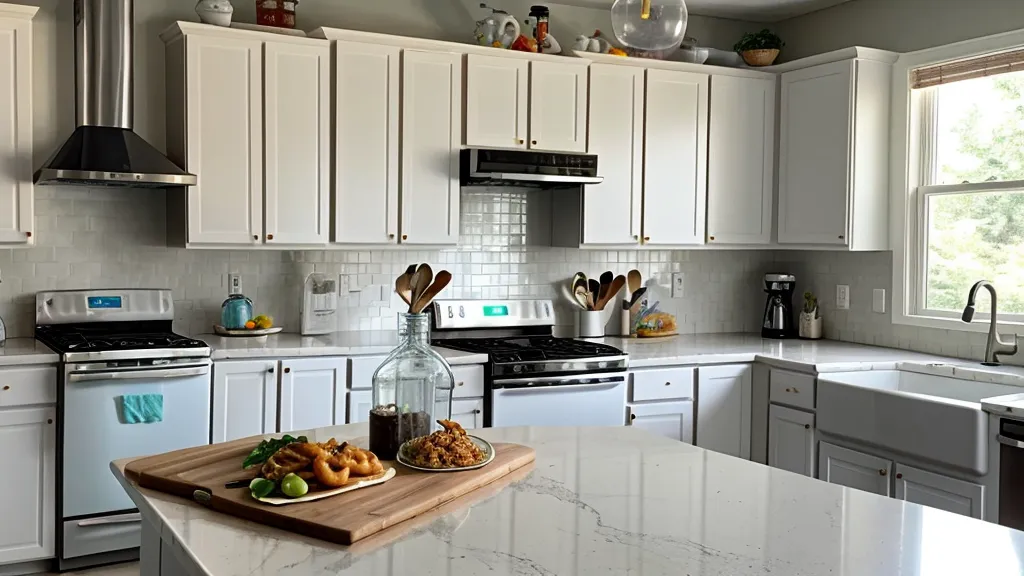
I'm scraping a blackened corner off a broiler pan with the edge of a butter knife, the foil tray that was supposed to handle the entire cleanup sitting empty in the recycling three steps too late. The box said oven-ready. My sink says otherwise.
That gap between the label and the sink is the whole reason I started this Home Chef review in the first place. People assume the meal kit with the shortest ingredient list, or the one stamped 'one-pan,' automatically wins on cleanup. It doesn't; pan count has almost nothing to do with ingredient count, and everything to do with whether the recipe card is quietly adding a mixing bowl here, a small ramekin there, that never showed up in the marketing photo. Every meal kit link in this piece is an affiliate one; sign up through one and I get a commission at no extra cost to you. That arrangement hasn't changed a single thing about which boxes actually kept my kitchen counter clear before bath time, which is the real measure of kitchen efficiency on a school night.
Before I trusted any subscription box, I tried skipping delivery kits altogether for a stretch and signing up for a CSA farm share instead, thinking a big box of vegetables straight from a farm would just fix dinner on its own. Half of it turned to mush in the crisper because I never had an actual plan for what to do with a bag of kohlrabi on a random weeknight, and the guilt of tossing good produce did more damage to that month than any oven-ready tin ever has.
The Myth: 'One-Pan' Doesn't Mean 'One Dish'
As a software QA engineer, I look at my kitchen the way I look at a buggy release: I'm hunting for the bottleneck, not the headline feature. The bottleneck in my house was never the eating part. It's the fifteen minutes after, when everyone's scattered and I'm the only one left standing at the sink. So I started actually tracking what I call dish-debt: how many bowls, pots, and utensils a kit needs versus what the glossy recipe card promises. A recipe that claims 'one-pot' and then tells you to reserve pasta water in a separate bowl and whisk a dressing in a ramekin has a bug in its documentation, not a cleanup win.
None of this makes me a chef, and I don't have nutrition credentials or any kind of dietetic training; my read on any given box comes from one kitchen's rotation, not a lab. If a swap or substitution matters for an allergy or a medical need in your house, that's a conversation for your pediatrician or a registered dietitian, not a blog post about who left fewer pots in the sink.
What Actually Empties the Sink: Home Chef's Fast-Prep and Oven-Ready Tins
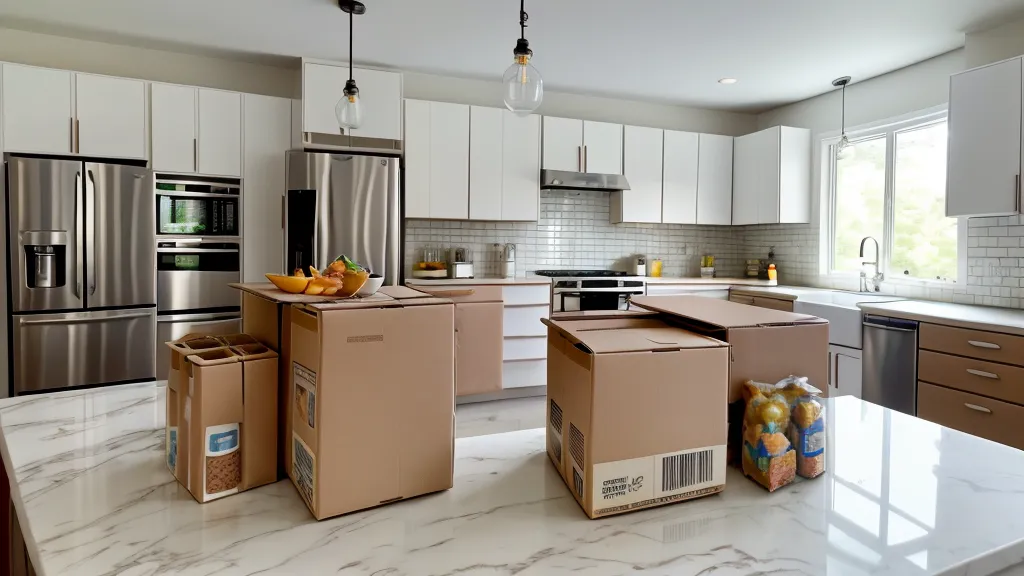
Home Chef's weekly rotation usually runs twelve to fifteen recipes, and the first time I saw the 'fast-prep' and 'oven-ready' labels I assumed they'd work the way most kits' time claims do: like a fifteen-minute meeting that somehow eats your whole afternoon. Then came a stretch of weeks where pickup ran straight into practice at the Garner Park soccer fields on the south side, and there wasn't a spare half hour anywhere in the evening. That's when the oven-ready line actually held up. Dump the tin's contents in, bake, and the tin itself goes straight in the recycling, so no pan to scrub at all.
There's a specific sound to those tins: a sharp little pop when the protein pouch finally tears open after you've been picking at the seal for a few seconds too long, and by now the older kid has claimed the job of reading the recipe card out loud while I'm still drying my hands, calling out when the timer needs to start before I even ask. One Tuesday I grabbed a 'one-pan' recipe from a different service on impulse, and it turned out to need three separate prep bowls for mise en place I hadn't budgeted time for; by the time the chicken hit the pan, the counter looked like a disaster zone. Compare that to Home Chef's oven-ready options, where the only thing left to wash some nights is a single wooden spoon.
Why Do Blue Apron and Tempo Land on Opposite Ends of the Sink?
I've compared Home Chef vs Blue Apron for working parents before, and cleanup is where the split gets sharp. Blue Apron is genuinely good at recipe discovery; the technique cards are strong enough that the older kid actually reads them, and the standard yield covers our whole table, but the dish count doesn't reflect any of that on the box. One evening a Blue Apron timer went off while I was mid-Slack-message, and I came back to a scorched sheet pan and two sauce pots on top of it. Whether that trade is worth it depends on questions dish count can't answer on its own: how quickly a given week's menu starts repeating on you, or whether the portions actually match what two adults and two growing kids eat, not just what the box claims to serve.
On the nights when a client call runs long, I lean on Tempo by Home Chef, single-serve, microwave-first trays that leave nothing behind but a fork. My friend Berta, who I know from the sideline at the Garner Park soccer fields, never springs for the protein upgrades on anything, but she always wants to know afterward whether the box was worth it that week, and Tempo is the one I can answer honestly and fast. It's built more for dinner logistics than lunch; I've reheated one at my desk on a hybrid work-from-home day and it holds up fine either way, but it was clearly designed with the evening scramble in mind.
The Packaging Tradeoff Nobody Mentions
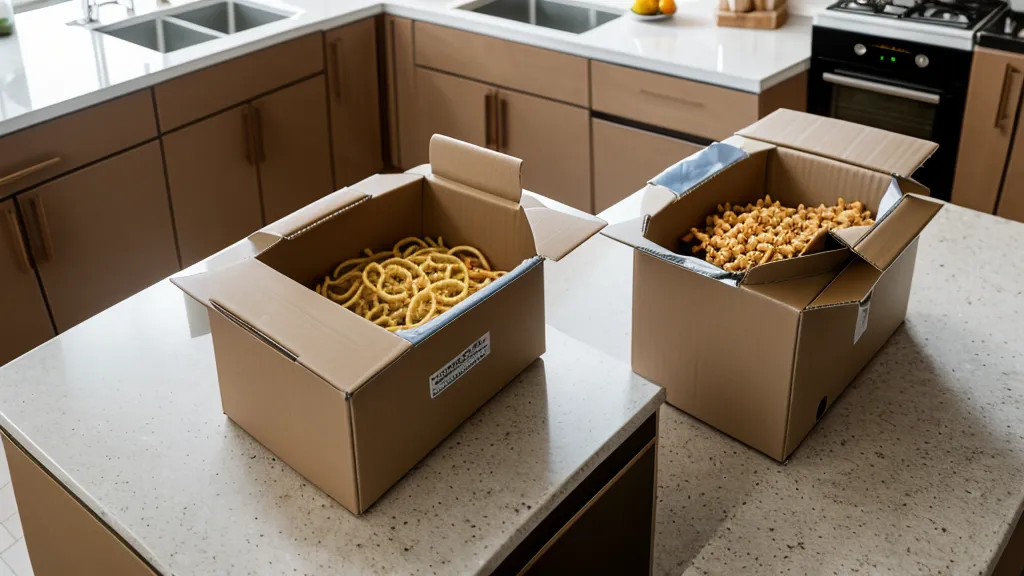
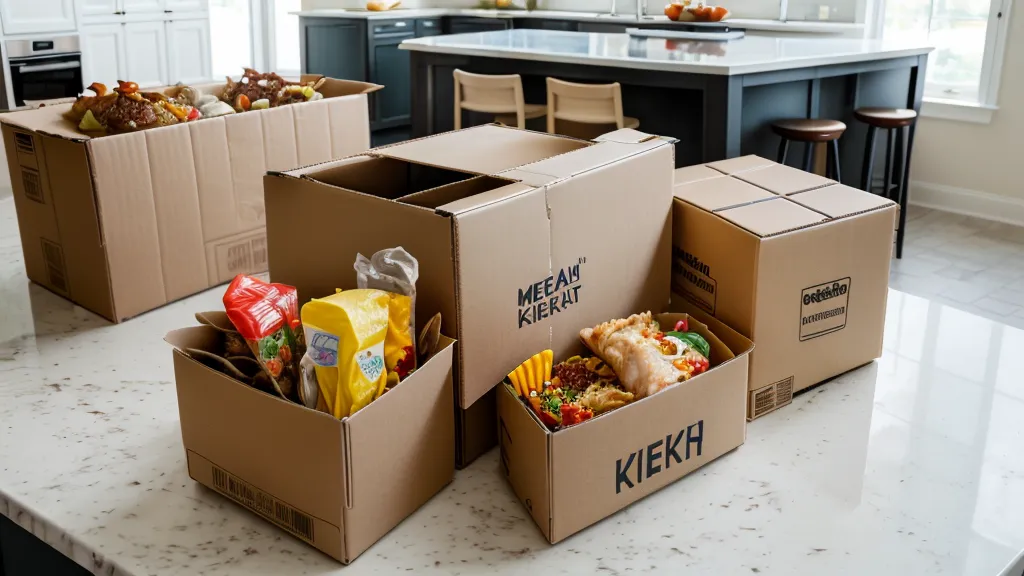
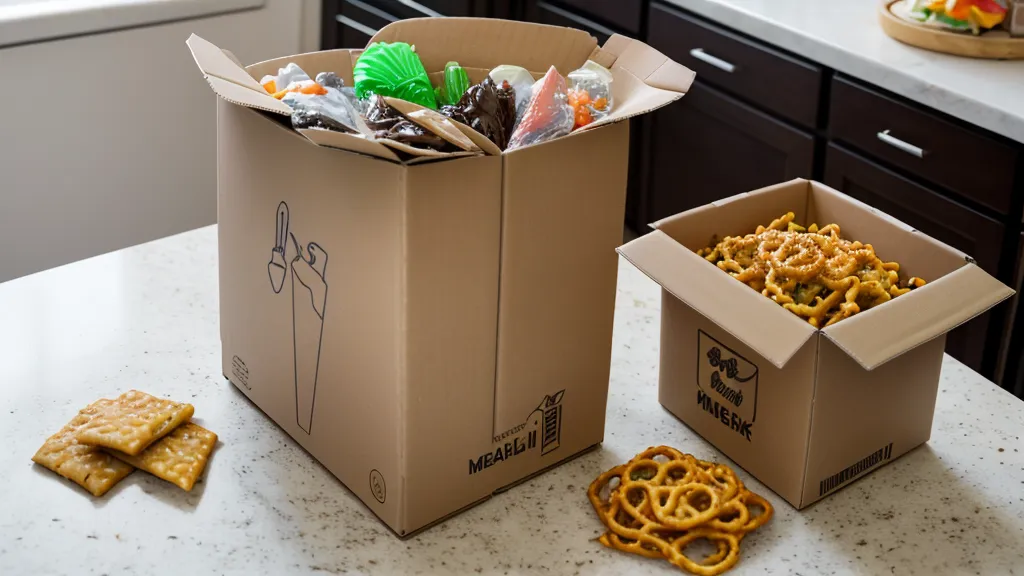
There's a catch to the zero-dish version of this that's worth being straight about. Pre-portioned ingredients and oven-ready tins cut active prep and cleanup time, but they generate a lot more packaging waste, box after box, than a regular grocery run would. Every Home Chef delivery leaves me with a small mountain of plastic pouches and recyclable cardboard, and in my reality check on meal kit speed I called this the waste tax: you're paying it in recycling volume, not dollars, to buy back your evening. Whether that trade beats plain grocery shopping depends on how you weigh convenience against a bin that's already overflowing, and that's a separate calculation from what shows up in your sink.
Dish Count Isn't the Whole Scorecard
Dish count is one axis, but it isn't the only one that decides whether a box earns a permanent spot in the rotation. Whether the kids actually eat what lands on the plate versus what gets picked apart and abandoned is its own separate tally, and it doesn't always match the cleanup score; some of the easiest trays to wash are the ones that come back to the fridge half-eaten. Ingredient quality on arrival matters too; a wilted herb packet can ruin a fast-prep dinner even when the tin itself is spotless afterward. I've also learned that how easily a kit lets you swap a protein or drop an ingredient a kid won't touch changes how often you actually cook it as written instead of picking around it, and none of that shows up in a sink count either.
Cost-per-plate is its own rabbit hole I won't pretend to settle here; it depends heavily on how you count what you'd have spent on groceries anyway, and it shifts depending on whether you're comparing a fully cook-from-scratch box against something closer to prepared, heat-and-eat food. That's part of why we don't run just one subscription: Home Chef covers most weeknights, Thrive Market sits in the freezer as pantry backup between meal kit weeks, and the membership only pencils out because we're already leaning on more than one box most months; my Thrive Market review gets into how that gap-filling actually works. Rotating between two or three services instead of committing to one is really its own strategy, separate from which single kit wins on dishes.
So Which Kit Actually Wins on Cleanup?
A reader named Nneka emailed me a while back after a chaotic stretch left her with two surprise charges from boxes she'd meant to skip, and her questions about pause windows are honestly a big part of why I pay attention to that feature at all now. Skip-and-pause controls that actually work without a five-email back-and-forth matter as much as any dish count once your schedule actually breaks; vacation weeks used to be the thing that quietly drained our budget before I started checking that setting first.
If minimizing time spent with your hands in soapy water is the actual goal, Home Chef is the clear winner for a standard family dinner most nights; the logistics are built for a tired parent, not an aspiring chef. Anyone who genuinely enjoys the process and doesn't mind a crowded drying rack might still find Blue Apron's recipe depth worth the extra elbow grease. For our house, the extra twenty minutes of sleep wins basically every time.
Managing the busy-parent scramble during the school year comes down to knowing which battles to fight, and a kit that respects your schedule and your sink is one of the easiest wins available. Check the fast-prep and oven-ready labels before you place an order, and keep a single-serve Tempo tray on hand for the nights when a client call just won't end.
Home Chef
Pros
- ✔ Oven-ready tins practically eliminate evening dish-debt
- ✔ Fast-prep labels are actually accurate for busy weeknights
- ✔ User-friendly app makes skipping weeks during vacations easy
Cons
- ✗ Generates more packaging waste than traditional grocery shopping
- ✗ Heat-and-eat portion sizes can be a bit tight for growing kids