
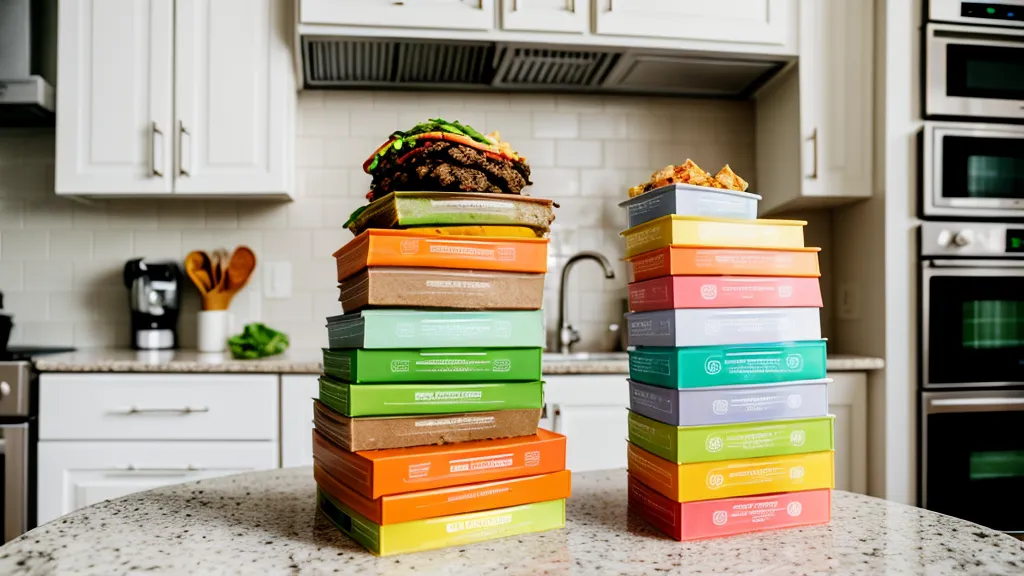
Six delivery boxes land on our porch across a normal month, split across six different meal kit services I keep running at once. That number confuses people more than it should. Most families doing subscription management settle on one service and ride it until the menu goes stale. Running six is less about variety and more about coverage: meal-kit rotation, the way I think about it, works like test coverage at my day job: one slow carrier, one disappointing box, one week where the fifteen-minute dinner eats forty-five minutes doesn't take the whole week down if five other services are still queued behind it. It's one of those working-parent hacks that sounds like more effort, not less, and for the first few months, it was.
People ask how I keep six of these straight without losing my mind, and the honest answer runs through some failed systems first. We tried a shared household document where both parents were supposed to log which kit was active, and it petered out fast — neither of us wanted to be the one updating a document after bath time, so it stopped reflecting reality within a couple of weeks. What actually stuck is below, organized around the questions people keep bringing up once I mention the rotation out loud.
How Many Subscriptions Is Too Many for One Rotation?
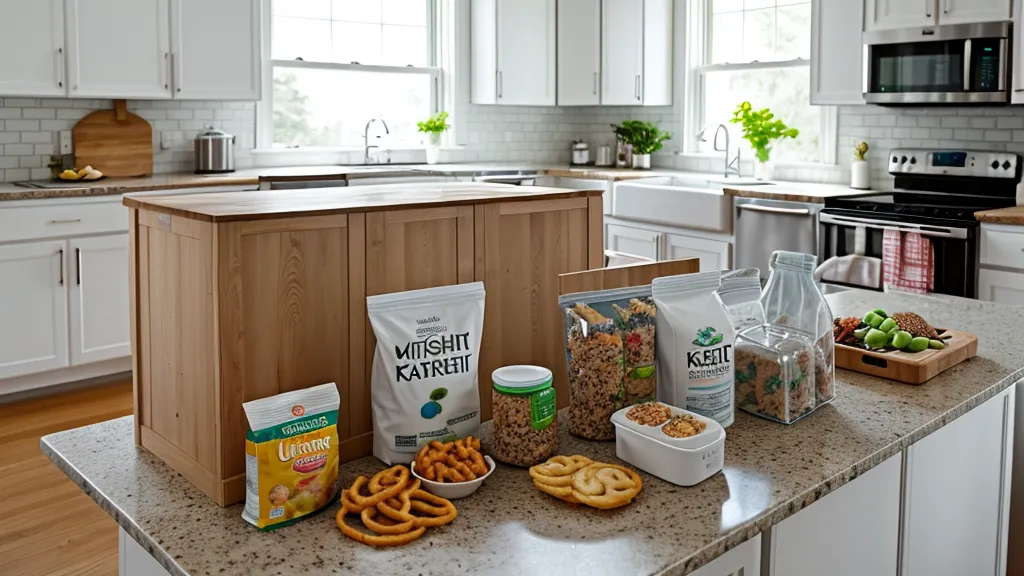
Three weeks in, most single kits start repeating themselves — the same shrimp taco or pork bowl cycling back — which is the menu-fatigue problem that pushed me toward stacking services instead of trusting one algorithm to stay interesting indefinitely. Weeknight logistics are what actually set my ceiling: between school pickup, the backpacks piled in the mudroom, and whichever kid has practice that evening, I can realistically cook from a kit on about four nights, with the rest falling to leftovers or whatever's already in the freezer. Six subscriptions running doesn't mean six boxes on the counter in one week — it means six options to reach for depending on what that week actually looks like. The redundancy matters most on the rare day a box sits on the porch longer than it should, since the real question at that point isn't whether the recipe still sounds good, it's whether anything inside has drifted into the USDA Food Safety Danger Zone before anyone's touched it.
The Thursday Commit Window
Every Thursday evening, I go through all six accounts and decide what the coming week needs. Pause-resume flexibility is the whole reason this works instead of collapsing the way the shared document did — some services let me skip with two taps, others bury the skip button three menus deep, and that difference alone has gotten a kit cut from the rotation entirely. My rule is simple: if the coming week has late calls stacked up, a soccer game, or anything that eats the hour before dinner, I pause whichever kit asks for more chopping and resume the one with pre-portioned sauces instead. I've written separately about the Tuesday night QA process in more detail, but the short version is that Thursday is when the decision actually gets made — by the time the box lands, there's nothing left to figure out.
Do the Kids Actually Eat This Stuff?
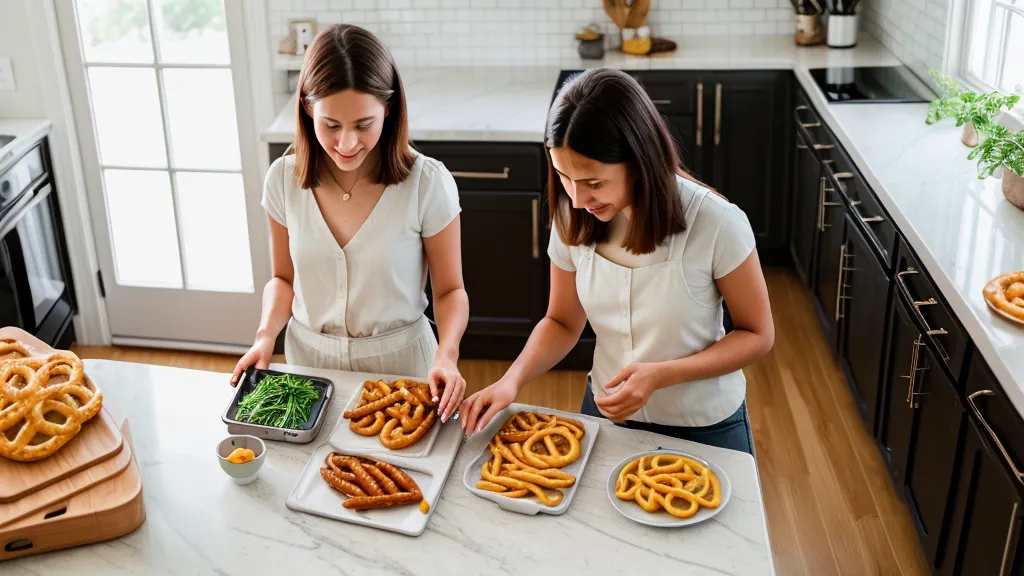
Kid-acceptance rate is the one number that matters more than anything printed on the box, because a technically balanced dinner nobody touches is just dishes with extra steps. I still remember the youngest catching sight of the blue delivery bag on the counter before I'd even gotten my coat off, already asking if tonight was the noodle one — that kind of unprompted excitement is rarer than any marketing photo promises, and it's the real reason some services survive past the first few tries. The older kid is pickier about texture than flavor, so a kit that sends sauce already mixed in tends to last longer at our table than one that hands over raw onion and expects enthusiasm.
Fifteen Minutes Is Never Fifteen Minutes
Realistic cook time is the gap between the recipe card and the stove, and it's never in the kit's favor. The fifteen-minute recipe that actually needs three pans and twice that long is the dinner equivalent of a meeting that was supposed to be a quick email. I've started mentally doubling whatever a box claims before I even start, the same way I pad any estimate at work that comes from someone who's never run the process themselves. The kits that hold closest to their stated time tend to be the ones with fewer components, not the ones with the fanciest plating in the photo.
Counting the Pantry Staples Nobody Advertises
Portion accuracy is its own small deception — the two-serving label assumes a toddler-sized appetite, and the week both kids hit a growth spurt at once, two servings turned into one serving and a very hungry second kid staring at an empty plate. Cost-per-plate numbers look clean in the marketing email until you count what the box assumes you already own: olive oil, a particular vinegar, eggs for a breading step that never shipped with its own eggs. Stack that against a regular grocery run and the meal-kit-versus-groceries math gets murkier than either side wants to admit, since a store trip comes with its own waste and its own forty extra minutes I don't have on a Tuesday. Thrive Market sits in a different category entirely — it only makes sense once you've run the membership-fee-breakeven math against what the same pantry items cost at a regular store, and that's a calculation I'd rather not get into here.
Half of those staples live behind the pantry door that's never shut flush since the frame warped years back, so I'm staring at what's missing before I even check the recipe card. Packaging quality swings with the seasons more than people expect, too — heavy foil liners handle a frozen porch fine but turn into a sweaty mess racing condensation once the heat index climbs in July.
Prepped, Half-Prepped, and From Scratch Don't Compete the Same Way
Prepared-versus-from-scratch is less a quality question than a time-of-week question. The fully prepped trays earn their place on nights when soccer runs late, while the from-scratch boxes get saved for weekends when nobody's clock-watching. Ingredient customization matters more than people expect, since the ability to swap a protein or skip an ingredient the older kid has decided to hate is the difference between a box getting opened and a box getting quietly skipped the following week. Ingredient quality on arrival varies more by season than by brand in my experience — a wilted herb packet in July tells you less about the company than about how long the box sat on a porch in the heat.
Why I Keep a Neighbor in the Rotation Too
Dinah, a neighbor three doors down, runs her own version of this with a different set of services, and between the two of us we've effectively doubled the sample size without either of us admitting it's a system. We met years ago when our kids ended up on the same rec team at Garner Park's soccer fields, on the south side of town, and she still keeps an actual handwritten notebook of which boxes her son finishes versus pushes to the side of his plate — something I've never had the patience to track on paper myself. She's the one who tried a kit for weekday lunches instead of dinners, and reports that the lunch-versus-dinner fit depends entirely on whether a meal survives being reheated at a desk rather than eaten fresh off the stove. She also keeps a pantry-backup service running for weeks when fresh delivery can't be trusted to land on time, which is a different kind of insurance than rotating kits that all depend on the same porch and the same delivery window. My own setup used to be smaller — a rotating four meal kits for busy school nights system that worked fine until two of those four kept failing on the exact same type of week, which is what finally pushed the lineup to six. Whether rotating multiple services beats loyalty to one is a bigger strategic question than either of us can settle from two households comparing notes over the fence, so I'll leave that debate to people with a bigger sample size than us.
When a Kit Earns a Permanent Spot (or Gets Cut)
A kit earns a permanent spot once it survives three different kinds of weeks (a calm one, a late-meeting one, and a sick-kid one) without needing a backup plan. One gets cut the moment it costs more decision-making than it saves, no matter how good the shrimp tacos were in week one. If you're starting your own rotation, skip the intro-offer math and watch three things instead: how fast the skip button actually works, whether the sauce pouches survive a five-year-old's grip, and whether the box still feels cold through the flap when you pull it off the porch hours after delivery. That last check is the one that actually tells you something, long before you've read a single ingredient.

None of this is nutrition advice. It's one household's logistics system, held together by a phone reminder and a neighbor three doors down. If allergies or specific dietary needs are part of the decision, that conversation belongs with a pediatrician or a registered dietitian, not a mom juggling six subscriptions and a Thursday deadline.