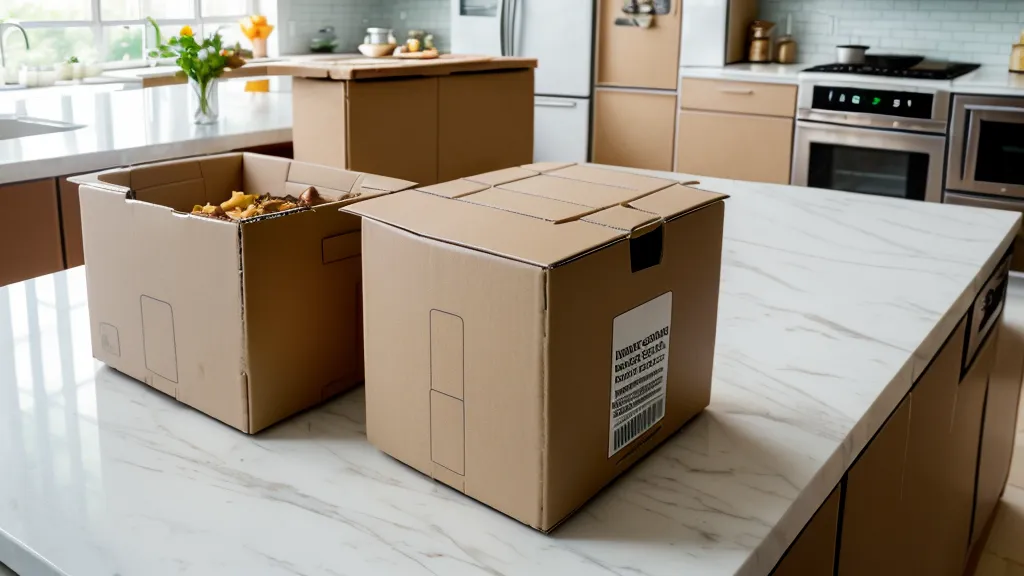
Thrive Market doesn't ship a single recipe card — not one, not folded into the brown paper insulation, not printed on the packing slip. That's the detail that trips up a lot of busy parenting circles online: people expect a meal-kit comparison to shake out the same way every time, so they sign up for a curated grocery delivery of pantry staples and then feel let down when dinner doesn't arrive half-cooked. The misconception isn't foolish. It's just aimed at the wrong service.
A disclosure before anything else, since this page is stacked with affiliate links for every service mentioned below: if you click through and sign up, I earn a commission at no extra cost to you, the same price you'd pay walking in cold. I've run all four of these through our actual Tuesday-night chaos, not a test kitchen. I'm not a nutritionist, not a chef, not anything with letters after my name on the food side — I'm a software QA engineer who treats the grocery budget like a bug tracker, always hunting for the thing about to break.
Thrive Market Is Not a Meal Kit, and That's the Point
I run Home Chef as the backbone of the rotation, twelve to fifteen weeknight recipes to choose from most weeks, which usually keeps the what's-for-dinner spiral away from the table. But a QA engineer's schedule doesn't respect a meal plan any better than any other parent's does. A sprint runs long, the interstate ices over, and the backbone menu goes untouched for a week because nobody had the twenty spare minutes a recipe card assumes.
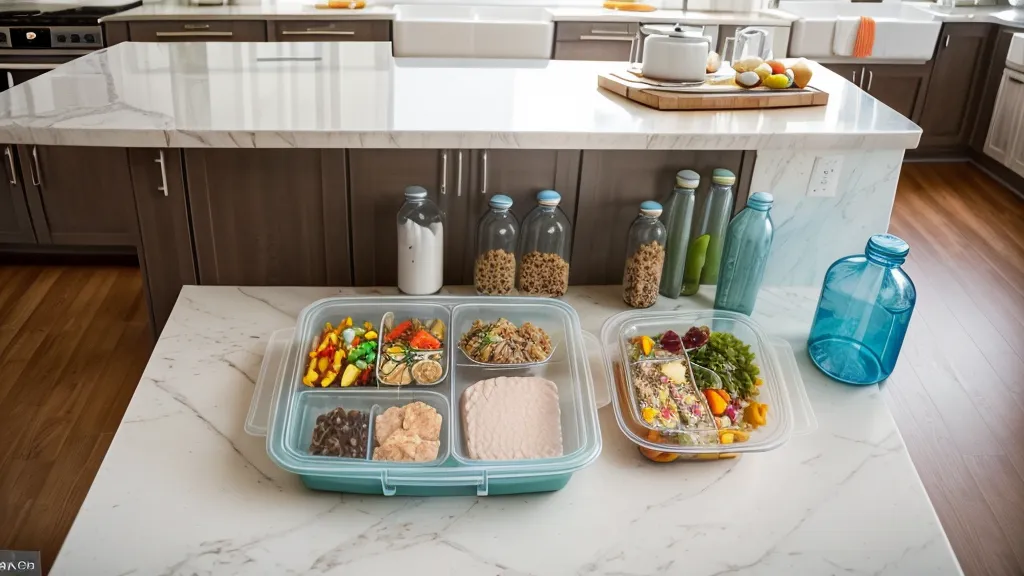
That gap is exactly what Thrive Market fills, and it fills it differently than Blue Apron ever could. Blue Apron wants a parent standing at the stove, sleeve card propped against the spice rack, working through a knife technique the older kid will narrate back later. Thrive doesn't want anyone at the stove some weeks — it wants pantry staples and frozen entrees already sitting in the freezer so the fridge stare never gets the chance to happen. Ninety-plus dietary and lifestyle filters meant I could stop squinting at labels in the cereal aisle at Trader Joe's on University Avenue and just filter out whatever the kindergartner can't have.
The '15-Minute Kit' Complaint Doesn't Apply Here
Every parent who's tried a meal kit has a version of the same complaint: the fifteen-minute box turns into the meeting that should have been an email, more like thirty-five minutes once a toddler loses a shoe and the older kid decides he suddenly hates onions. That gripe belongs to Home Chef and Blue Apron, not to Thrive. There's no cook time to inflate because there's nothing to cook — a bag of frozen dumplings and a good chocolate bar don't have a marketing photo to fall short of.
We tried fixing the mismatch ourselves before Thrive ever entered the rotation, cycling through the same five easy dinners on repeat so nobody had to think, until the kids started groaning the second rotation night showed up on the calendar. Repetition wasn't the fix. A separate category in the kitchen was.
I know the difference is real on the nights I step over a pair of cleats still damp from soccer practice and find dinner already plated and warm on the counter, no science project waiting in the crisper drawer.
On the highest-stress sprints, we lean on Tempo by Home Chef instead of a stove entirely, single-serve microwave entrees for whichever parent is still on a client call at six. It's a different flavor of weeknight logistics than Thrive solves, worth its own separate comparison, but the two stack fine: Tempo covers the night nobody can cook, Thrive covers the week nobody had time to order.
More than once the timer beeped while the sauce sat soup-thin and nowhere close to the box photo's glossy version, a small, specific letdown that had nothing to do with nutrition and everything to do with a clock.
Snow Isn't What Breaks the Shipping Timeline
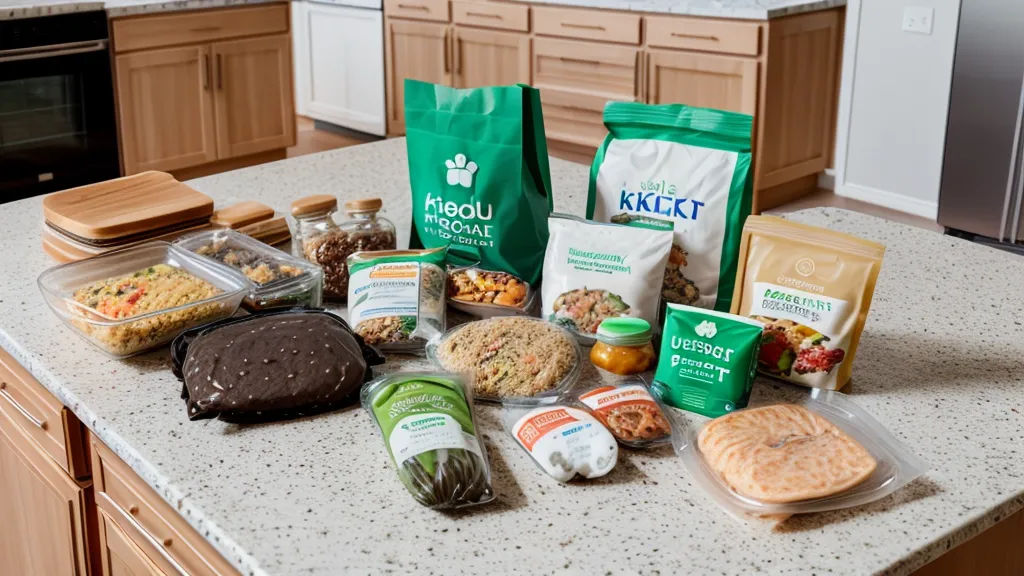
The second misconception is a Wisconsin-specific one: that a blizzard is what wrecks a refrigerated delivery. It isn't the snow, it's the zip code. Thrive Market ships to all 48 contiguous states, but transit times for refrigerated goods swing more across rural stretches than they do close to Madison proper. A heavy system can stretch a two-day window into four days out toward the Driftless area, storm or no storm, simply because the truck has farther to travel before it reaches a distribution point.
What held up, even during a whiteout that delayed the truck last winter, was the packaging itself: brown paper insulation packed tight enough that the frozen half of an order stayed solid a full day past the original delivery window. That's a logistics detail, not a marketing claim, and it's the reason the annual fee starts reading less like a gamble and more like insurance once you've watched it survive a real delay.
The Membership's Real Job: Backup, Not Backbone
If you're already running a Home Chef family plan and weighing whether your own kids will actually eat what shows up, that's a separate question from what Thrive answers, one worth its own read, since acceptance at the table swings more by kid than by box. Thrive's job is narrower: it's the freezer stock and the pantry shelf that exist so a rough week doesn't turn into an emergency.
My neighbor three doors down, Dinah Sobotka, keeps an actual handwritten notebook logging which boxes her son finishes and which ones he just pushes to the edge of the plate, proof that I'm not the only parent in the neighborhood treating dinner delivery like a dataset.
Our galley kitchen, in the split-level rental on Madison's near west side, empties straight into the mudroom where the backpacks live year-round, counters gone pale in one worn strip by the stove, a pantry door that never quite sits flush in its frame. It's not a layout built for a five-ingredient recipe card that assumes counter space we don't have. Thrive's shelf-stable and frozen inventory fits that kitchen better than a stove-top rotation ever has.
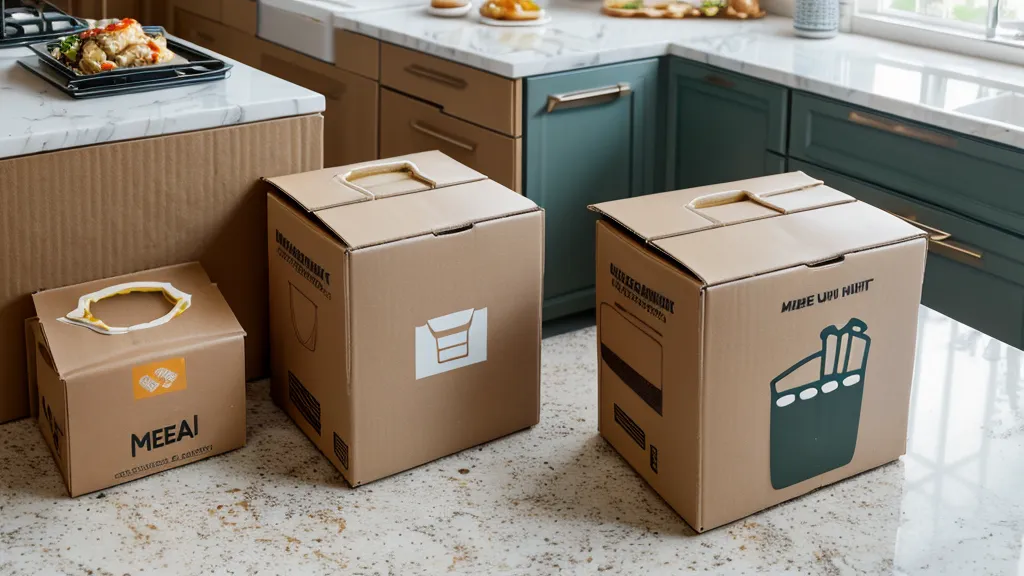
The ninety-plus filters live inside the app, and that's where the actual membership case gets made: sort once for a dairy flag or a gluten allergy, save it, and every future browse respects it without another grocery-aisle label hunt. If the lunchbox side of this is what you're chasing, I've written more about healthy school lunch snacks separately.
Weighing Thrive Against the Rest of the Rotation
Line the four up and the roles stop overlapping the way the marketing wants you to believe they do. Blue Apron sits furthest toward from-scratch cooking, actual knife work, a sleeve card the older kid actually reads front to back, while Tempo sits at the opposite end, no cutting board needed at all. The space between those two is really a prepared-versus-from-scratch spectrum, and it's a comparison worth making on its own terms. Home Chef's portions run closer to right for two adults and two kids than the smaller heat-and-eat options do, and its pause and skip controls actually hold up without an email back-and-forth once summer travel scrambles the calendar.
The Annual Fee's Value
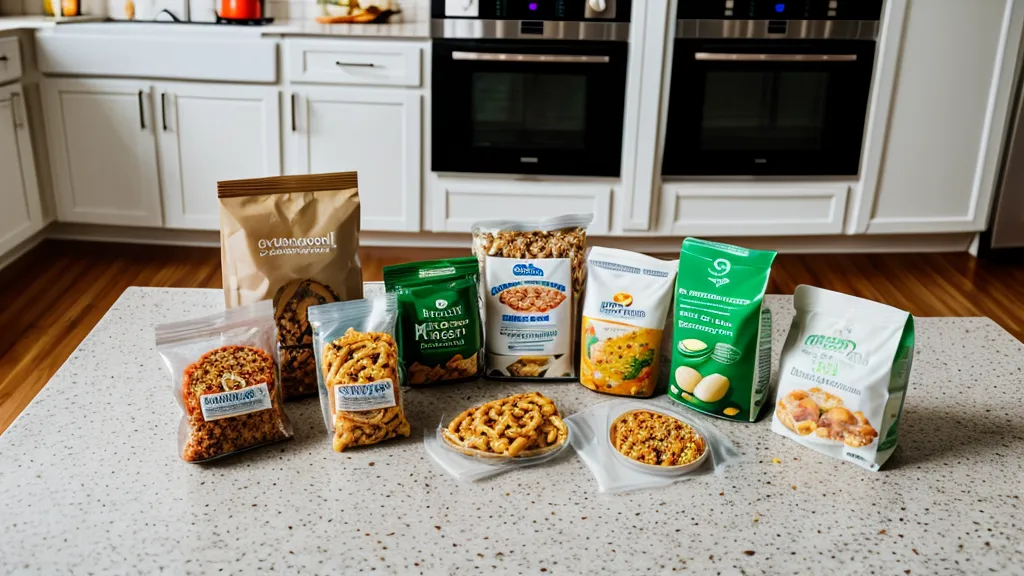
Here's the actual rule, not the marketing one: the fee earns itself back once a household is already ordering two or three boxes across other services in a given month, since the discounted pantry staples and the frozen backups replace grocery runs you'd make anyway. Below that order volume, it's just an extra bill competing with subscriptions you're already juggling. We cleared that bar inside the first couple of months, mostly from the grocery runs we stopped making, the emergency ones that used to mean gas money plus whatever impulse buy solved the immediate crisis, cheese curds included.
None of that math works if you're expecting Thrive Market to replace Home Chef outright, that's the same myth in reverse, and it disappoints just as fast as expecting a recipe card in the box. Run them for what they actually are: one full weeknight rotation, one pantry backstop that catches the rotation when it fails. That's the only comparison that's ever held up in our kitchen, blizzard or no blizzard.