A fifteen-minute label and a thirty-five-minute dinner are not the same product, even when the box insists they are. That gap is the real story behind most Home Chef reviews that call a kit "fast": not whether the chicken tasted fine, but whether the number printed on the bag survives contact with an actual working parent's Tuesday. Run a meal kit rotation through two kids and a hybrid work schedule long enough, and dinner logistics stop being about flavor and start being about minutes, specifically the ones nobody accounts for.
Quick disclosure before any of this gets specific: the meal kit links on this page are affiliate links, and signing up through one sends a referral fee this way at no extra cost to anyone clicking. That doesn't change which kit gets the harder questions below.
Why Does a 'Fifteen-Minute' Meal Kit Take Twenty-Five?
Home Chef is the kit that's stayed in this rotation long enough to test that question honestly, through blizzard deliveries, a kindergarten transition, and every other disruption a school year throws at a hybrid work schedule. Keeping six different services in some kind of order takes an actual system: the Home Chef weeks line up against the others on a rotation logic that decides which box lands which week, and which one gets skipped before a trip, and that scheduling ends up mattering almost as much as what's inside any single bag.
The mislabeling isn't unique to Home Chef; it's close to universal in this category. A fifteen-minute tag assumes pre-washed hands, a cleared cutting board, and zero interruptions, which describes roughly no household with a five-year-old in it. By the time the onions get chopped and the right skillet gets found, a fifteen-minute bag is closer to twenty-five, and that gap never makes it onto the box.
Dinner Logistics: How Do You Actually Judge a Fast-Prep Claim?
Ignore the minute count on the label entirely. Two things predict whether a box is actually fast on a real Tuesday: how many ingredients arrive already cut, and how many pans the recipe card asks for. A bag with pre-chopped vegetables and a single pan is the only version of "fast" that survives a kid underfoot. Everything else is a guess dressed up as a number, and the guess is almost always optimistic.
Blue Apron is the clearest counter-example in this rotation. The flavors are more adventurous, and a reduction sauce recipe genuinely teaches a kid something about cooking, but a from-scratch sauce attempted mid-meltdown over a missing puzzle piece is not a fast meal no matter what the box claims. That mismatch is exactly what decides whether a kit survives the kindergarten bedtime rush or gets quietly shoved to the back of the fridge.
Before trusting any kit's prep-time claim, I tried shortcutting the whole problem by buying pre-marinated proteins straight from the butcher counter instead of ordering a box at all. It solved exactly one part of dinner, the protein, and left the sides as an open question every single night, which turned out to be the harder half of the job. A fast protein is not a fast dinner.
A coworker who sits a couple of desks over, Cleo, is fiercely loyal to the one kit her daughter will actually finish without a negotiation, which is really a kid-acceptance-rate question dressed up as a flavor preference. That's worth checking before committing a whole week of dinners to a box nobody at the table has tried yet.
Portion Math for a Family of Four
Portion accuracy is where most "family-friendly" marketing quietly falls apart. Home Chef's standard boxes are sized for two adults, and once a growing elementary-schooler and a kindergartner are added to the table, the leftovers disappear before anyone's finished a first helping. A side of rice or a bag of frozen vegetables, often pulled from a Thrive Market pantry order, fills the gap most nights without anyone noticing a shortage.
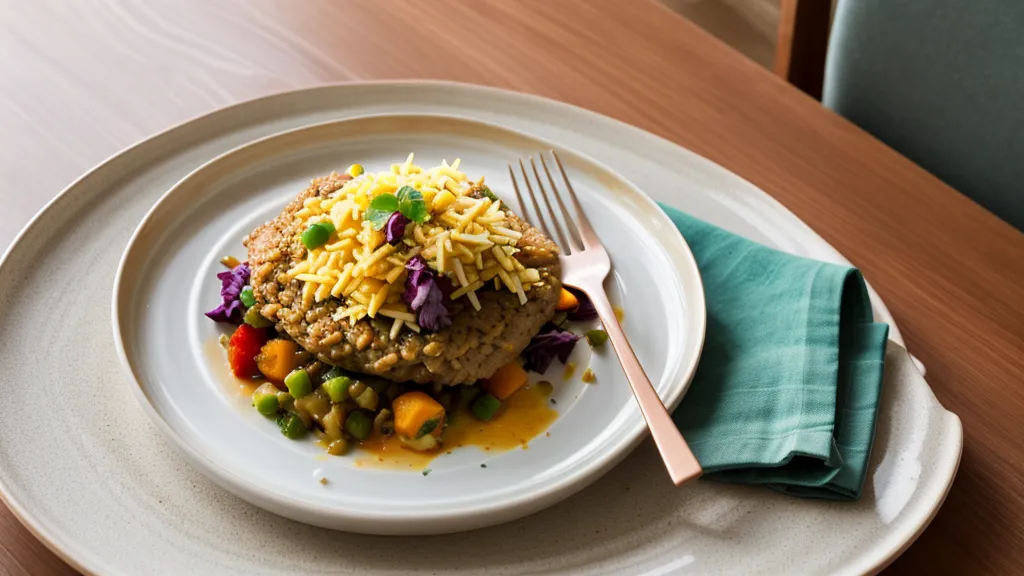
Tempo by Home Chef, the single-serve microwave line, solves a narrower problem than a full box: the night one parent is still on a late call and the other is picking up from the playground at Tenney Park, along Lake Mendota. No cutting board, no extra pan, and it's sized for exactly one adult, which makes it a stopgap for one chaotic night, not a dinner plan for the whole table. Tempo by Home Chef earns its spot for that reason alone.
The clearest sign a dinner actually worked isn't a clean plate; plenty of meals get eaten under some protest; it's the kindergartner stacking her own plate by the sink unprompted and asking what's for dessert like dinner was never a question at all. No kit will ever print that as a metric, but it's the only one that's mattered at this table.
Building In a Pause Button Before You Need It
Pause and skip controls matter more than any glossy box photo ever will. Home Chef's skip window runs long enough to cover a stretch of school plays or a few weeks of summer grilling without an email back-and-forth, and that flexibility is the actual reason this subscription has outlasted five others. It's not the food itself. A pantry backup, something like a standing Thrive Market order, matters just as much: staples on hand mean a box that's short a garlic clove, or a night nobody has the bandwidth to cook, doesn't turn into the fallback-cereal routine.
None of this is medical advice, and it isn't close to it. A household managing a serious allergy or a strict medical diet needs more certainty than any mass-market kit filter can promise out of a shared warehouse. That conversation belongs with a pediatrician or registered dietitian, not a meal kit review.
Checking the Fast-Prep Promise Against Reality
So does Home Chef actually keep the fast-prep promise? Mostly, once the number on the bag stops being the test and "pre-chopped plus one pan" becomes the real measure instead. That's the correction worth taking from this whole review: a "fast" label is marketing copy, and ingredient prep plus pan count is the actual signal. Home Chef clears that bar more often than it misses, which is why it has stayed the steady option through every other kit that's cycled in and back out since spring 2023.
If the fast-prep question is the one holding back a decision, checking the latest Home Chef menu options directly answers it faster than reading one more comparison post, including this one. A meal kit was never going to be a miracle fix for a Tuesday, but measured against the right thing, it beats the cereal-at-the-counter routine often enough to earn the subscription fee.