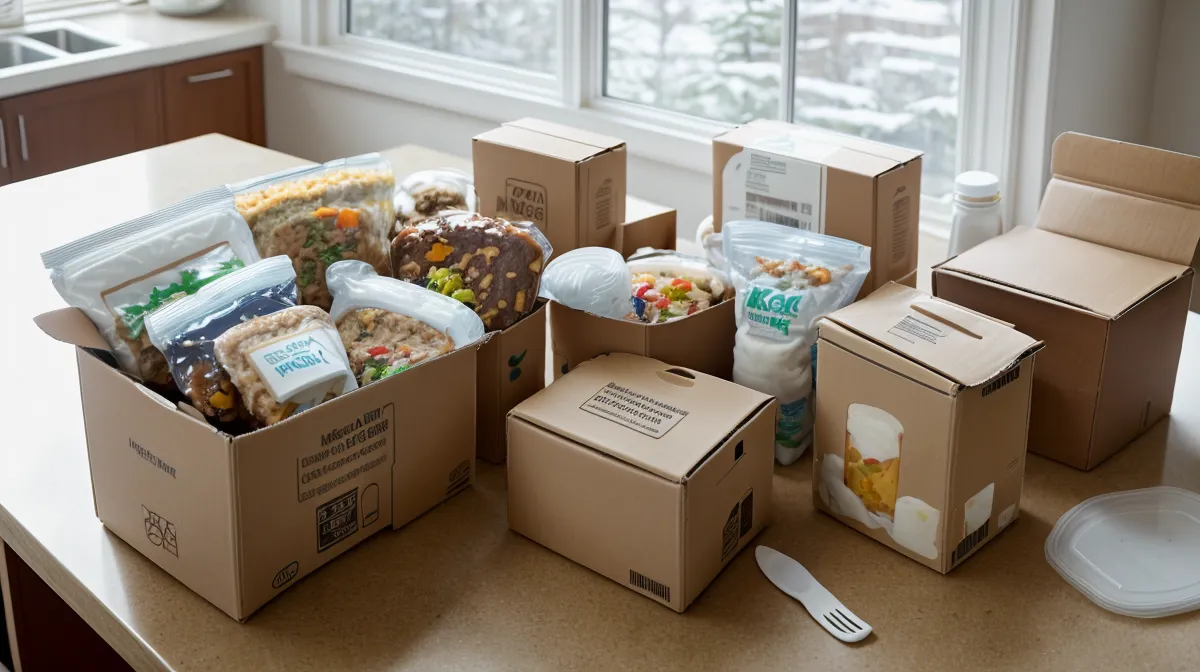
One evening last winter, mid-winter during a heavy Madison snowstorm, I found myself staring at a wilted head of butter lettuce while my youngest was already in pajamas. My grocery store 'plan'—the one I’d scribbled on a sticky note during a stand-up meeting—had failed again. The produce looked like it had been through a car wash, and the chicken was questionable. It was the moment I realized ingredient reliability mattered more than aspirational recipes. If the food doesn't survive the three-day stint in my fridge before I actually have time to cook it, the service is a bug, not a feature.
Before we get into the nitty-gritty of the fridge-shelf reality, heads up: every meal kit link on this page is an affiliate link. If you click one and sign up, the kit's marketing team kicks a referral payment my way. I earn a commission at no extra cost to you, and the first-box promo you see is the same one everyone gets. I’ve personally tested these boxes through the 2025-2026 school year, and the boxes that stopped earning their spot still get listed here because the point of this rotation was to find what actually works for a family of four, not to polish up a sales pitch.
Since switching to meal kits in spring 2023, after one too many evenings of the older kid eating cereal at the counter, I’ve rotated through six different services. I’m a software QA engineer, not a nutritionist or a pediatrician. My kids have their own specific quirks—like the way my oldest decided he hates onions the same week I ordered a French onion soup kit—and if yours have allergies or specific needs, please check with a professional or your pediatrician before taking my Tuesday-night word as gospel. My takes come from one household's dinner rotation, measured against the chaos of school pickups and late client calls.
The Fragility of Aspirational Produce: Blue Apron’s Premium Bet
Blue Apron has always felt like the 'feature-rich' version of a meal kit. They prioritize specialized, premium produce sourcing—think microgreens, specific heirloom varieties, and those tiny little peppers that look great in a photo. When we first started our rotation, I loved the idea of teaching my kids about different vegetables. It felt like an extension of the 6 years they spend in a standard US elementary school, a little culinary education to go with their math homework.
But here’s the reality of a Madison kitchen in mid-winter: delicacy is a liability. During that peak soccer season in early spring, I noticed that Blue Apron’s greens often arrived on their last legs. If I didn't cook the 'Discovery' meal by Wednesday, the specialized herbs were usually a pile of black slime. It’s the meal kit equivalent of a meeting that was supposed to be an email—it takes up way more of your mental energy and time than it promised. The specialized sourcing is a unique angle, but it assumes you have a perfectly calibrated cold chain from their warehouse to your stove, and that your fridge is hovering exactly at the FDA recommended refrigerator temperature of 40 degrees Fahrenheit without any fluctuations.
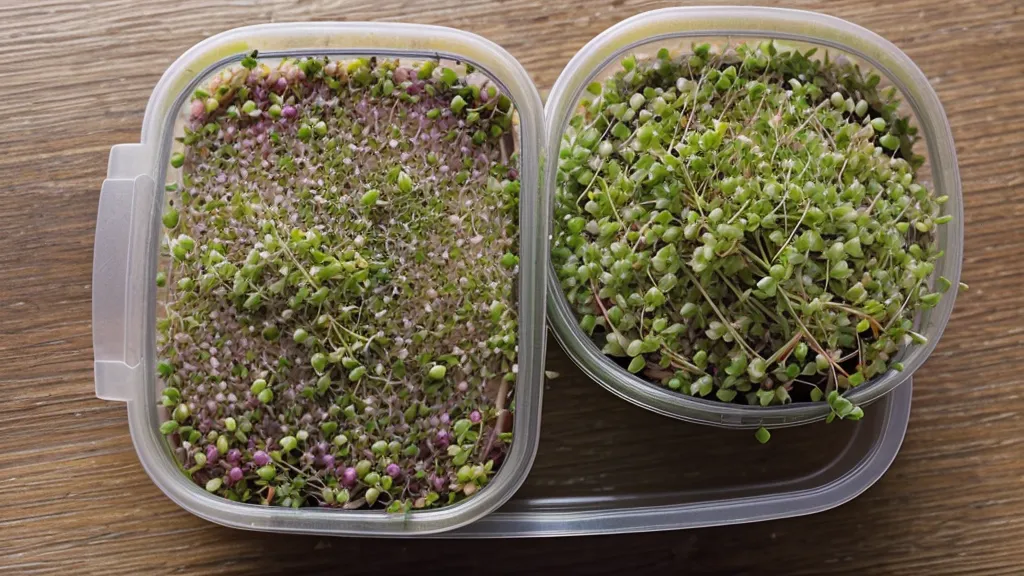
When the ingredients are good, they are spectacular. But for a family where 'Tuesday Night Chaos' is a scheduled event, the fragility of their produce became a recurring bug. I found myself frequently swapping in my own spinach because the box-provided greens hadn't survived the journey. If you are looking for a weekend project, Blue Apron is great. If you are looking to survive a week where you’re working hybrid from home and both kids have practice, it’s a gamble. You can read more about my experience with timing in this reality check on meal kit speed.
Home Chef and the Power of the Vacuum Seal
Home Chef takes a different approach, and honestly, it’s one my QA brain appreciates. They emphasize broader, pantry-friendly convenience. You’re not going to find many exotic microgreens here, but what you will find is produce that looks like it could survive a small natural disaster. While Blue Apron is trying to be a chef, Home Chef is trying to be your most reliable teammate.
The biggest difference I noticed during a particularly humid Tuesday last July was the protein packaging. Home Chef’s proteins are typically vacuum-sealed in high-barrier film. This isn't just marketing—it’s logistics. It means that when a client call pushed dinner to the following night, the chicken thighs didn't have that 'fridge smell' that makes me want to order pizza instead. They stay fresh for several days post-delivery, which is crucial when you're managing a complex family schedule.
They also offer a massive weekly recipe variety—usually 12 to 15 different options—which makes it easier to find things that won't trigger a dinner-table strike. Their 'Fast-prep' labels are my favorite feature. During a major software release week when I was glued to my monitor until 6 PM, those labels meant my spouse could walk into the kitchen, grab the bag, and have dinner moving without needing a 20-minute tutorial on how to chiffonade a specific herb. It’s the difference between a tool that works and a tool that requires a manual.
The Tradeoff: Quality vs. Complexity
There is a measurable tradeoff here that I have to be honest about. If you want the most complex, chef-quality flavor profiles, Home Chef can sometimes feel a bit... standard. They lean heavier on dairy and red meat than the marketing photos might suggest, and the ingredient complexity isn't on the same level as Blue Apron. However, in my house, 'standard' is often a win. If the kids actually eat the green beans because they aren't 'weird,' I count that as a success.
I’ve found that using Thrive Market as a subscription safety net helps bridge the gap when I want higher-quality pantry staples to supplement the more basic Home Chef veggies. You can check out how I use that in my pantry backup guide. It’s all about building a system that doesn't break when one part of your life gets busy.
Logistics and the Reality of the Madison Porch
Living in Madison means your meal kit box is either sitting in a snowbank or baking in 90% humidity. Both Blue Apron and Home Chef use a combination of recycled denim or foil liners and non-toxic gel packs, but I’ve noticed Home Chef’s packaging tends to be a bit more rugged. During that humid July Tuesday, the Home Chef box arrived with the gel packs still mostly solid, whereas the Blue Apron box felt a bit like a lukewarm bath by the time I got to it after school pickup.
Home Chef also seems to handle ingredient substitution better. It’s a common industry practice to swap an item if a crop fails, but Home Chef usually swaps for something equally sturdy. When Blue Apron swaps, it sometimes feels like the whole recipe's logic falls apart because the specialized ingredient was the 'star' of the show. If you're torn between the two, I did a deeper dive into the microwave-first options versus the cook-from-scratch ones in my Tempo vs Home Chef comparison.
The Final Verdict for the Tuesday Night Rush
After rotating through these services for over a year, I’ve stopped looking for the most 'impressive' meal and started looking for the one that actually makes it to the plate. Blue Apron is fantastic for a Friday night when the kids are at a sleepover and I actually want to enjoy the process of cooking with a glass of wine. But for the reality of a working mom’s Tuesday—where the youngest is losing their mind over a lost sock and I have three bug reports to finish—Home Chef is the superior choice.
Their ingredient quality is built for endurance, not just for the photo op. The vacuum-sealed proteins, the sturdy produce, and the 'Fast-prep' options mean that even on the worst days, we aren't resorting to cereal. If you're ready to stop the grocery store scramble and want a box that actually survives your fridge, I’d suggest starting with Home Chef. It’s the version of dinner that actually makes it to the deployment stage without crashing.
Whether you choose the specialized discovery of Blue Apron or the rugged reliability of Home Chef, just remember to check those skip dates. There's nothing quite like the 'bug' of two boxes showing up in one week because you forgot to pause the rotation during a vacation. Trust me, I’ve been there, and that’s a lot of vacuum-sealed chicken to fit in one freezer.
| Product | Rating | |
|---|---|---|
| Home Chef Editor's Pick | 9.2 | Read More → |
| Blue Apron | 8.4 | Read More → |
| Tempo by Home Chef | 8.7 | Read More → |
| Thrive Market | 8.1 | Read More → |
Home Chef
Pros
- ✔ Vacuum-sealed proteins stay fresh for several days
- ✔ Fast-prep labels make it easy for a non-chef spouse to help
- ✔ Rugged packaging survives the Madison weather swings
- ✔ 12 to 15 recipes per week provide great variety
Cons
- ✗ Ingredients are less 'exotic' than boutique services
- ✗ Can lean a bit heavy on dairy and red meat