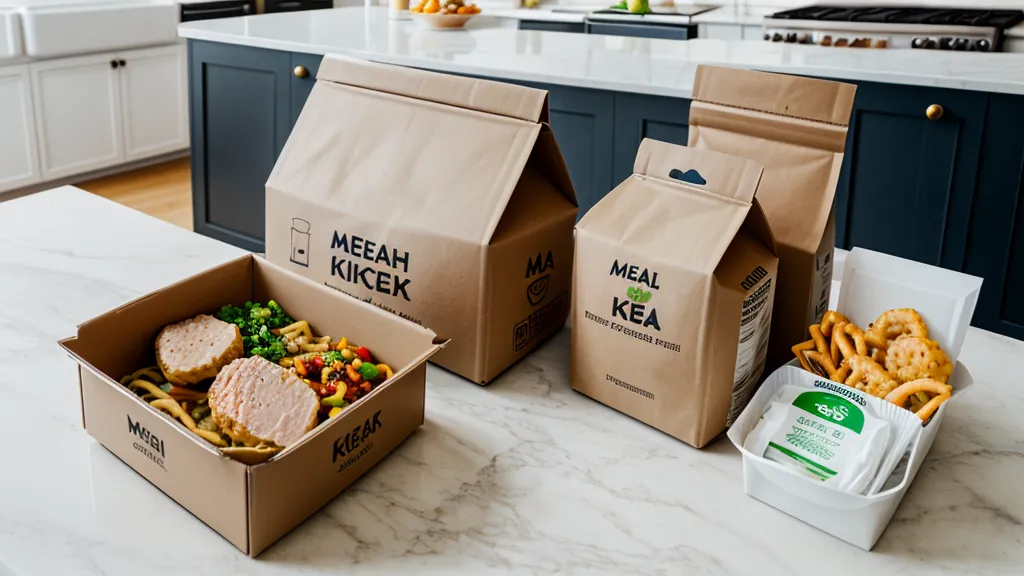
What does thirty minutes actually mean on a meal kit box? I spent the better part of a school year treating that question as background noise, the kind you ignore until it's standing in your kitchen refusing to leave. I'm a software QA engineer by trade, which means my job is finding the gap between what a system promises and what actually happens once real users touch it. Our house on a regular weeknight is exactly that kind of system — two kids, one skillet, and a recipe card written for a kitchen that has never once had a child ask for help finding a missing shoe mid-prep.
Most Tuesdays end with a pickup at Warner Park Community Recreation Center, where the younger one finishes swim lessons around five and climbs into the car still a little damp, already asking what's for dinner. That's the production environment the recipe card never accounts for — not a quiet test kitchen, but two kids, a forty-minute window, and whatever client call ran ten minutes long that afternoon. Before I started paying attention to any of this, I tried a meal-planning app with a gamified streak feature, the kind that puts a little flame icon next to your name if you log dinner every day. I made it twelve days before I let the flame die out and deleted the app. It never once chopped an onion for me.
A friend of mine spends that same hour at an improv comedy class in a theater downtown, which already sounds more fun than what's happening at my stove. She's making things up on a stage; I'm just trying to get a thirty-minute recipe card to tell the truth.
Why the Fifteen-Minute Meal Kit Card Never Means Fifteen Minutes
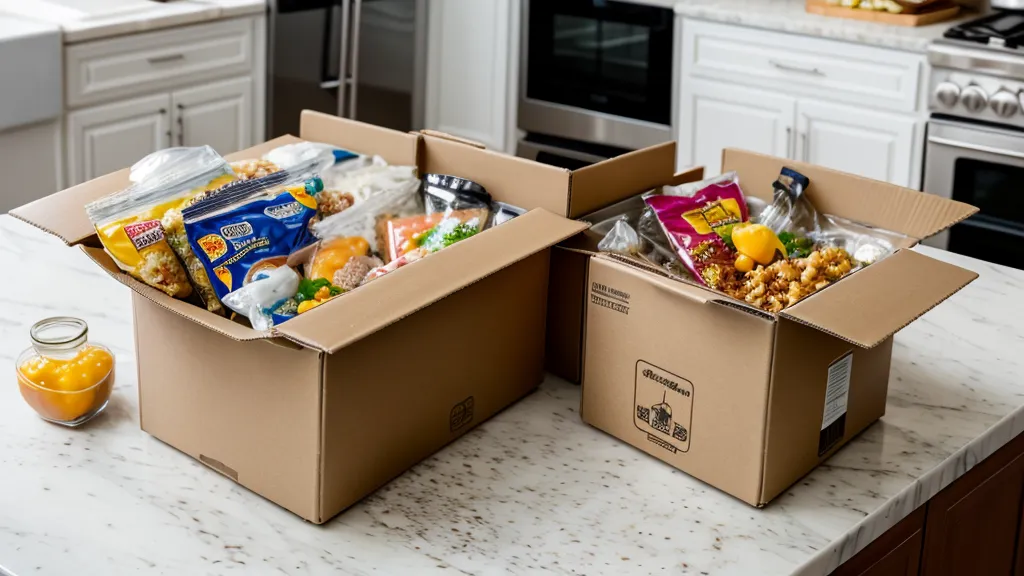
Recipe cards are written for a cook who doesn't exist. She has clean counters, sharp knives, no interruptions, and apparently no children asking about homework mid-saute. On one of those swim-lesson Tuesdays, I timed an actual recipe against its own card: a seared chicken breast with pan gravy and roasted broccoli, listed at twenty minutes active and ten minutes cooking. The card didn't account for digging out the step stool so the littlest one could reach the sink, rinsing the grit off scallions that arrived damp in their plastic sleeve, or checking the thickest part of the chicken against the USDA safe minimum internal temperature because I wasn't about to guess.
Then there's the single bullet point that reads "prep all vegetables," which hides an entire chunk of real work. Peeling carrots, mincing garlic with a grater that's gone dull, cutting potatoes into even pieces — none of that is a five-minute job when your cutting board is sharing counter space with a permission slip that needed a signature yesterday. That fifteen-minute prep estimate is the dinner version of the fifteen-minute meeting that was always going to be an email.
Counting Pans Before Anything Else

Once I stopped trusting the headline timer, I started judging a recipe by what it actually asks me to dirty. Every extra bowl, every second cutting board, is a chore standing between dinner and bedtime stories. A reader named Priti Mehrotra, who wrote in from a Madison suburb, put it more bluntly than I ever have — she judges a kit almost entirely by how many pans it leaves in her sink, full stop, nothing else matters quite as much.
A real weeknight meal needs one cutting board, one knife, and one pan doing the heavy lifting. If the card wants a small bowl for sauce, a second bowl for tossing vegetables, a saucepan for grains, and a skillet for the protein, that recipe is getting bumped to the weekend. Pre-made squeeze bottles and base pastes earn their keep here — if I'm whisking mustard, sour cream, vinegar, and herbs together in a ramekin while chicken rests, that sauce is simply not happening on a Tuesday. The same goes for produce: one pepper and an onion is manageable, but four vegetables needing four different cuts is a warning sign before I've even started cooking.
Does a Sheet Pan Really Save You Work?
Sheet-pan dinners get sold as the low-effort answer, and on paper that tracks — toss everything on one pan, bake, done. In practice, the card usually has you roast the vegetables alone for fifteen minutes first, then pull the scalding pan out, shove everything to one side, add the protein with a glaze mixed separately, slide it back in for twelve more minutes, then broil for a final two — right as bath time starts and the kitchen fills with smoke.
That's not a simpler dinner. It's a multi-stage project that happens to use one piece of metal instead of three. A single skillet that cooks steadily in front of me, where I can stir it with one hand while answering a spelling question with the other, beats a sheet pan's hidden choreography every time. I got into the broader version of this argument when I wrote about surviving the Tuesday night scramble across different parent schedules — the short version is that simple execution beats the illusion of hands-off oven cooking almost every time.
The Small-Kitchen Math Nobody Puts on the Box
Here's the part that doesn't show up in most reviews: meal kits portion for an average household, not your household. They ship two scallions in a tiny bag, two tablespoons of sour cream sealed in its own packet, and a protein split that assumes exactly two or four people eating the same thing. Every box is its own little island — nothing carries over to tomorrow's lunch.
A grocery delivery app lets you buy a full bag of potatoes or a whole bunch of celery and spread it across four different meals during the week. A meal kit can't do that by design, which is a real tradeoff for a smaller household with a mismatched schedule — if one kid suddenly decides he hates shallots, those two tablespoons just go in the trash instead of into tomorrow's stir-fry. The packaging itself has gotten better; most of the gel packs and liners are drain-safe or recyclable now. But paying a premium to open six tiny sachets for one dinner is still paying for not having to measure, and that convenience tax adds up over a full season of boxes even without putting an exact number on it.
Doing the Knife Work Before the Chaos Starts

The single biggest fix came from a tactic I stole straight from my day job: the smoke test, a quick check run early just to confirm a build won't crash before anyone runs the full suite on it. On the days I'm home, I step away from my laptop mid-afternoon, walk into the kitchen, and give that night's box five minutes before I do anything else. There's a specific cold you feel through the cardboard before the flap is even fully open, the gel pack announcing itself before you've seen a single ingredient.
I slice whatever aromatic is going to slow me down later — onion, shallot, pepper — and stash it in the fridge. Cutting an onion at two in the afternoon with nobody pulling on my sleeve takes ninety seconds; doing it at six with two kids circling feels like a small emergency. I lay the recipe card flat, pull any sauce packets out where I can see them, and check that the protein actually thawed instead of discovering a frozen core at the worst possible moment. None of it is cooking. It's just getting the obstacles out of the way early.
Around week seven of running it this way, my older kid stood at the stove stirring the pan sauce without a single complaint about the onions floating in it — the same kid who used to stage a full protest over a visible onion sliver was just stirring, waiting for me to say when it was ready. That's not a dramatic turnaround. It's what seven weeks of a boring, repeatable system looks like at a kitchen counter.
What Actually Counts as a Win on a Tuesday
I'm debugging a family schedule here, not working from any kind of nutrition credential, and nothing in this is meant as dietary advice — if you're dealing with real allergies or a kid on a specific medical diet, that conversation belongs with your pediatrician or a registered dietitian, not a stranger's dinner rotation. For us, a win has exactly two parts: did everyone eat something real without a meltdown, and is the sink empty before bedtime stories start. If you want the service-by-service version of this, I went through what each box does differently in real-world kitchen testing across six services.
None of this makes dinner photogenic. The marketing shots with the scattered herbs and the perfect sear were never going to happen on a Wednesday with homework still open on the table, and that's fine. The one thing that actually traveled past the first few weeks is the shift from trusting a recipe's clock to trusting my own count of pans, cuts, and stages — that's the kitchen hack that held up, long after the gamified app and the sheet-pan miracles didn't. My friend can keep her improv stage; I'll take a skillet I can see the whole time.