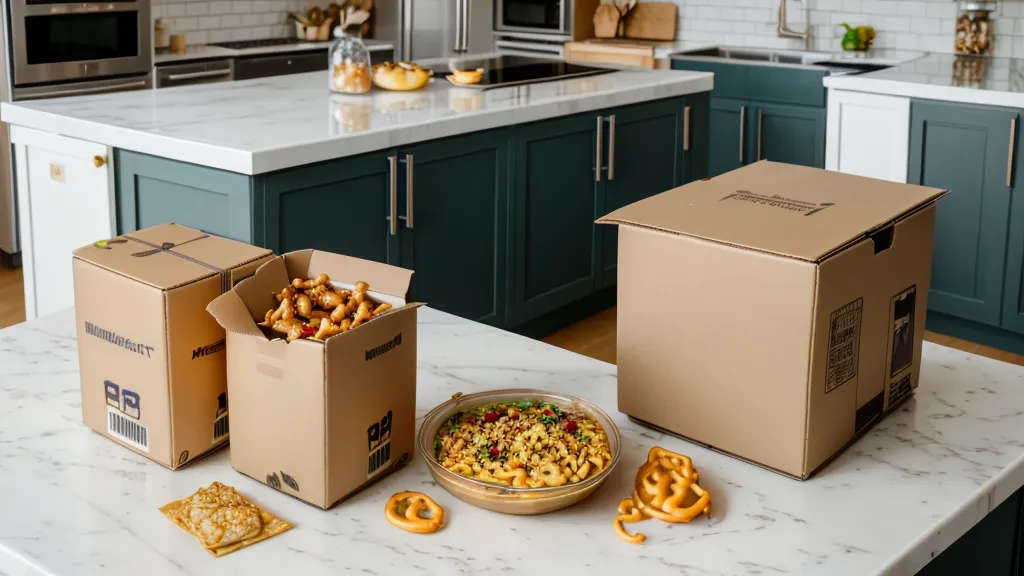
The cleats are still by the back door, the Home Chef box is already open on the counter, and I'm elbow-deep in ice packs before I've even taken my coat off. That's the actual test for any meal-kit review - not the glossy recipe photo, but whether dinner gets built in the fifteen minutes between soccer pickup and someone declaring they're starving. It's the same test I run every time I stack Home Chef against Blue Apron for another working-parent comparison: which box survives contact with a real Tuesday.
Before any of that: the meal-kit links in this comparison are affiliate links, and if you sign up through one, I earn a commission at no extra cost to you. Three years and six different kit rotations into this experiment, that still feels worth saying up front - nobody is paying me to prefer one box over the other, but the commission exists, and you should know it's there before I tell you which one wins on a regular Tuesday.
Long before Home Chef ever showed up in a delivery bag, I downloaded a meal-planning app with a gamified streak feature, convinced a checklist would fix our Tuesdays. It lasted twelve days before I deleted it - a badge for meal-prepping doesn't actually cook the meal or get a kindergartner through bath time on schedule. Meal kits at least outsource the cooking itself, which is the bar these two boxes get measured against here.
What Home Chef Gets Right on an Ordinary Tuesday
Home Chef earns its spot as the box that survives a bad week, mostly because of the fast-prep and oven-ready recipes tucked into a weekly menu that usually runs twelve to fifteen options. On a night when a client call runs long and the youngest is already in pajamas, I want a tray I can slide into the oven without touching a knife, not a recipe that teaches me a new skill. That's the entire pitch, and for the most part it holds.
Not every box lands, though - some Home Chef recipes lean heavier on dairy and red meat than the photo suggests, which matters if you're trying to keep the week balanced instead of just fed. Whether the printed cook times hold up against a real Tuesday is something I clocked in detail over a whole stretch of boxes, and the fuller version of that lives in my twelve-week survival log - this piece is about the head-to-head, not the deep dive.
Where Blue Apron Adds Time You Don't Have
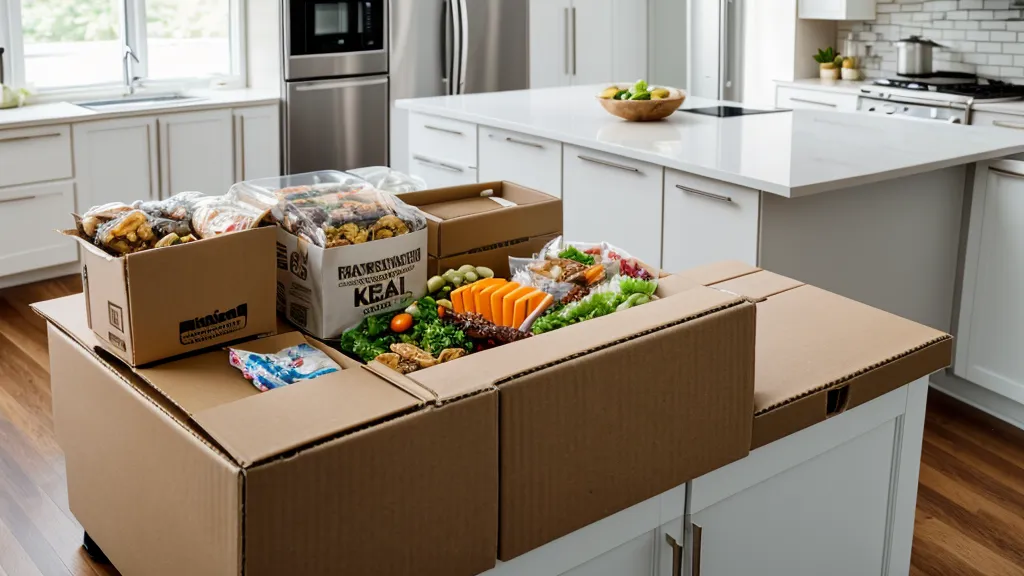
Blue Apron is a different kind of box entirely - it's built for recipe discovery, and the technique cards that walk you through mise en place are genuinely good if your older kid likes reading along while you cook. The cook time printed on the card, though, tends to run noticeably longer than what actually happens on a Tuesday, once you count every small bowl the instructions ask you to dirty.
A reader named Priti Mehrotra, writing in from a Madison suburb, told me the deciding factor for her isn't flavor at all - it's how many pans end up in the sink afterward, and Blue Apron's habit of splitting one recipe across three or four vessels loses her every time. She's not wrong: I've peeled back a Blue Apron tray to find marinade dried into a sticky ring on the cardboard right under where the protein sat, which tells you something about how many separate components got shuffled around before dinner even started.
Kids complicate this further. Whether a given recipe gets eaten or pushed around the plate is its own tally I keep in a separate breakdown of picky-eater acceptance rates across boxes; the short version here is that a shallot showing up uninvited in a Blue Apron box does not go over well with a kindergartner. Home Chef's swap options sidestep that particular fight more often than not.
Can Either One Handle a Picky Five-Year-Old?
Home Chef's "Customize It" button is the real answer to that question - swap ground beef for turkey, bump the protein, drop an ingredient the youngest has decided is contaminated by association, and the recipe still shows up recognizable. Blue Apron doesn't offer that same swap depth; kale arrives as kale, full stop. Whether a fully prepared, ready-to-heat tray beats a cook-it-yourself box on a weeknight is its own separate question I've argued out elsewhere - for this comparison, both Home Chef and Blue Apron still expect real stovetop or oven work, just with different amounts of room to negotiate what goes in the pan.
Portion Accuracy: The Number That Actually Matters
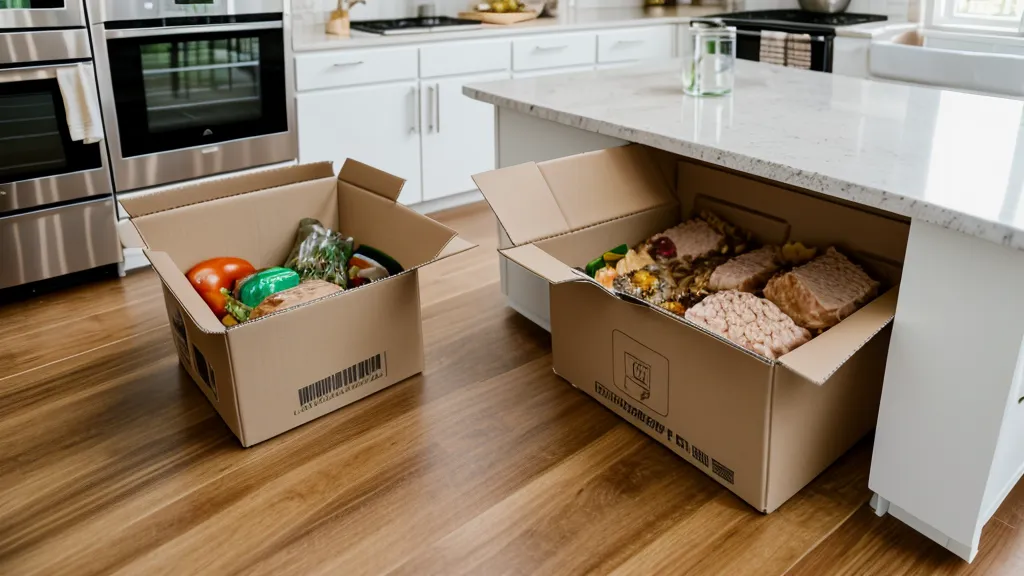
Portion accuracy is the metric nobody puts on the box, and it's decided more Tuesdays in my house than menu variety ever did. My five-year-old scrapes her plate clean and asks what's for dessert - that's the tell a portion landed right, not so much food it ends up in the trash, not so little that bath time turns into a second round of snack negotiations. Tempo by Home Chef, the microwave-first line, runs smaller than the standard Home Chef boxes; fine for the parent eating alone after a late call, less fine if you're trying to stretch one entree across two kids. I've written more about how those fit into an actual hybrid-work schedule in my Tempo meals review, including the weeknight-logistics side of it - timing a delivery around pickup, not just the food itself.
Pausing for Summer Travel Without a Surprise Charge
Pausing turned out to be the tiebreaker no marketing page mentions. When a trip landed on the calendar, the real question wasn't which box tasted better - it was which service let me skip several weeks in a row without a delivery sneaking through anyway and charging the card while we were out of town. Home Chef's skip controls live inside the app itself, no email required, and the change shows up before the next order locks in. Blue Apron asks for the same kind of advance notice, but the process feels more like waiting on a support ticket than flipping a switch.
For the weeks either box is paused, Thrive Market fills the gap as a pantry backup rather than a real dinner solution - frozen entrees and pantry staples that buy time, not a replacement for either kit. I've broken down here how that works in practice, but it's worth a mention now, because a clean pause is only painless if there's something in the freezer for the gap week.
So Which One Stays in the Rotation?
Choose Home Chef when the week is already full - soccer practice, a client call that won't end, a kindergartner who's decided tonight is not the night for anything green. Choose Blue Apron when you've got an actual free evening, want to cook something with more steps than a microwave meal, and don't mind an extra pan in the sink. Most weeks in our house land in the first category, which is why Home Chef is the one that never quite leaves the rotation and Blue Apron is the one we order every few weeks instead of every week.
None of this is medical or nutrition advice - I'm not a dietitian, and my read on "kid-friendly" is based on two specific kids, not a clinical panel. If allergies are part of your household's calculus, check the ingredient labels yourself and loop in your pediatrician before trusting any kit's filter system, since cross-contamination risk exists at any large-scale packing facility regardless of what the website promises.
If tonight's the night the fridge is empty again, start with Home Chef's oven-ready lineup rather than the full cook-from-scratch menu - it's the version of the box built for exactly this kind of week. You can check out their current menu here and see whether the fast-prep claim survives your household the way it's survived mine.