The peeler is already moving before I've closed my laptop — my oldest steering ribbons of carrot into a bowl while I skim the recipe card, six little ingredient bags lined up like they're waiting to be graded. That's a Blue Apron night in our Madison house, and after rotating through six different meal kit services with two kids in the mix, I can usually tell inside the first ten minutes whether tonight's box is the fifteen-minute promise on the label or the thirty-five-minute meeting that should have been an email.
Short version, before you read another few hundred words to get there: Blue Apron rewards patience more than it saves time, and whether that trade is worth it depends on how much slack your week actually has. My day job is software quality assurance — checking whether a build does what the spec promised — and I run these dinner boxes through the same test, clocking whether the label matches what actually happens at my stove. Quick disclosure before we go further: the Home Chef, Blue Apron, Tempo by Home Chef, and Thrive Market links in this piece are affiliate links, and I earn a commission if you sign up through them, at no extra cost to you — I've paid for every box myself, comparing them against a real Tuesday instead of a marketing photo.
Why Blue Apron Earns a Spot in Our Rotation
We started rotating meal kits after one too many nights where dinner meant cereal at the counter while a client call ran long. Home Chef became the steady box early on, and Blue Apron got added later, mostly out of curiosity about whether it could survive an actual Tuesday instead of the date-night-in-a-loft photos in its marketing.
Blue Apron is not built for the household that needs dinner solved fast — it's built for the household that has a little room to enjoy the process, which is a different question than whether it's fast. I'm not a chef, I don't have nutrition credentials, and none of this is a substitute for checking with your pediatrician if your kid has specific dietary needs — this is one household's dinner rotation, not a study.
What Actually Happens When the Box Lands
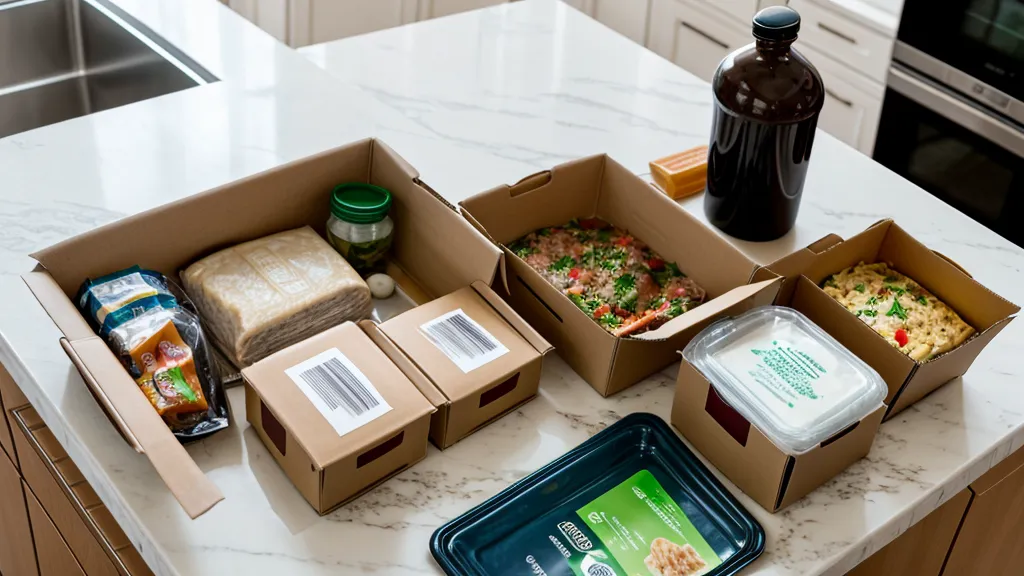
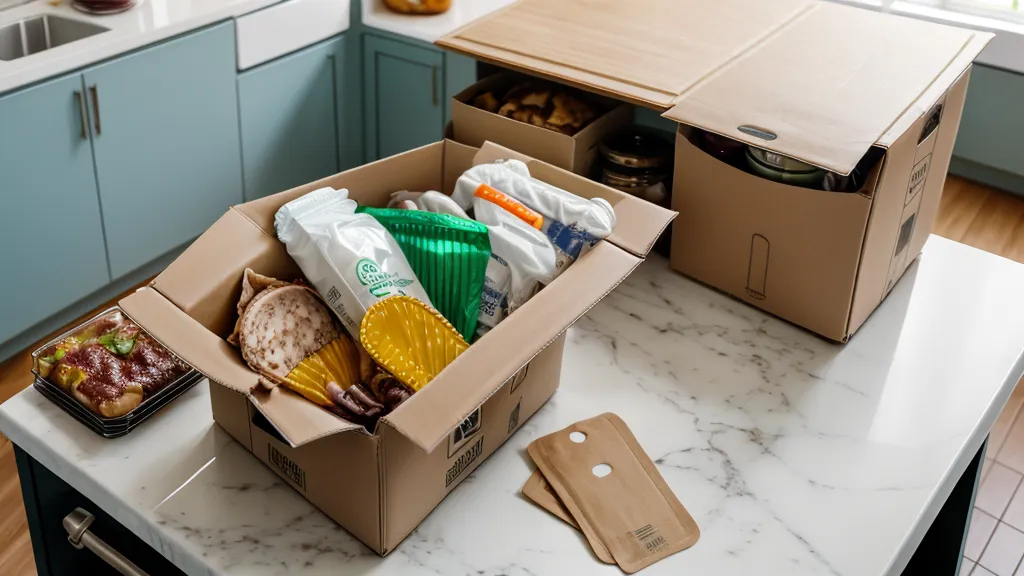
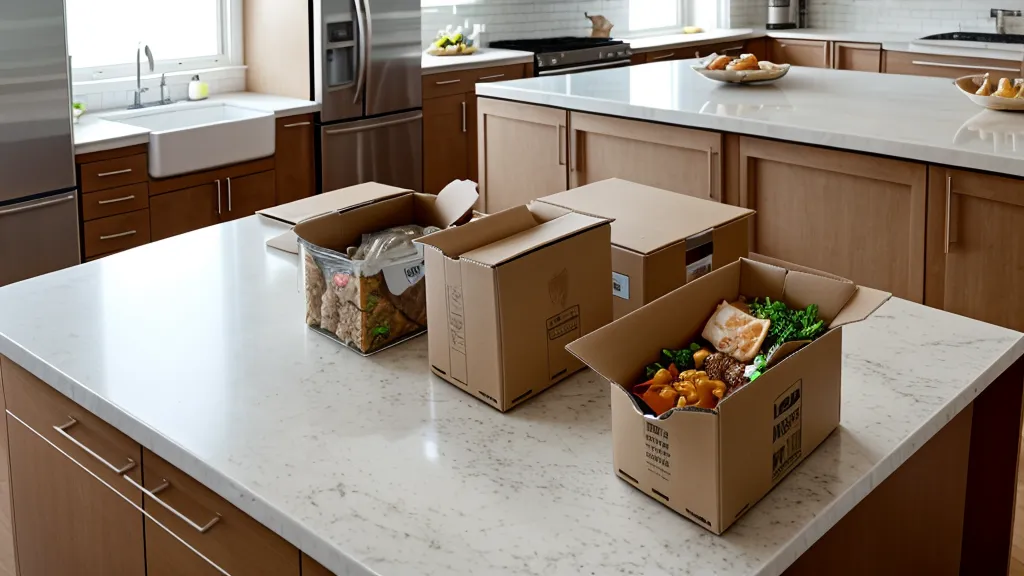
There's a specific ritual to a Blue Apron delivery. The insulated liner crinkles as you pull the recipe cards out, and the whole box smells like fresh herbs and damp cardboard before you've unpacked a single bag. It reads more 'gourmet' than the other five kits we've tried, and the ingredients come tucked into little pouches that feel more like a discovery project than a grocery run.
For my oldest, who's in elementary school, Blue Apron works almost like a standing cooking lesson — the technique-teaching sleeve cards are genuinely good, and he reads them without being asked, which is more than I can say for his homework folder. Whether that translates into faster dinners for a kindergarten sibling who thinks onions are a personal insult is a separate question, and it's the one that actually decides whether a box earns a permanent slot.
Blue Apron leans hard into recipe discovery — we've made things like togarashi popcorn chicken and a Mediterranean-style salmon that never would have crossed my mind wandering the aisles at Trader Joe's on University Avenue. If you want your family eating outside its usual three rotations, the Blue Apron menu does that better than anything else we've tried, and the wine pairing add-on — which I've occasionally 'forgotten' to skip — turns a regular Wednesday box into something that feels a little more like an occasion.
Do the Portions Hold Up for Two Kids?
This is where the QA habit kicks in. Blue Apron's cards usually list twenty minutes of prep, and in my kitchen that number assumes nobody is chopping three vegetables while a kindergartner is underfoot begging for a snack, which is to say, it assumes a kitchen with no kids in it. I tried buying pre-marinated proteins from the butcher counter for a while, on nights I knew we'd be tight on time, and it never actually solved the problem — I still had to figure out two sides from scratch, which ate up almost as many minutes as starting from raw chicken would have. Blue Apron's twenty-minute box runs closer to thirty-five once real chopping and real kid-interruptions get involved — in my house, it's the meeting that was supposed to be an email.
The tradeoff is real, not imagined: whatever time Blue Apron saves you on grocery planning gets handed right back in active hands-on prep, more than a sheet-pan-and-walk-away dinner ever asks for. You're zesting, mincing, and whisking the entire time, not setting a timer and leaving the room. I get into how that measures up against a faster box in more detail in my Home Chef vs Blue Apron for Working Parents on Busy Weeknights notes, where portion accuracy ends up mattering almost as much as the clock.
Blue Apron Next to Home Chef and Tempo
We use the standard family plan, four portions, which covers two adults, an elementary schooler, and a kindergartner with usually a little left over. Blue Apron's portions run more generous than the single-serve microwave entrees we rotate in from Tempo by Home Chef on nights nobody has it in them to cook. My coworker Cleo Rutkowski, who sits two desks over on office days, won't hear a word against Home Chef, because it's the only box her daughter finishes without a negotiation — whether a kid actually clears the plate versus pushes it around is its own measure I track separately from portion size, and it's usually the better predictor of whether a box survives past a month in this house.
In the thick of a Madison winter, when nobody wants to leave the house anyway, Blue Apron boxes are a genuine highlight — once soccer season ramps back up, the prep time turns into a liability fast, and I reach for our Thrive Market pantry backups instead, because the membership fee only pencils out if you're already buying a couple of boxes a month, and on a chaotic week that math works in its favor. If your week runs more hybrid-office than quiet-weekend, the Best Prepared Meal Delivery for Hybrid Workers at Home piece covers the prepared-over-from-scratch trade-off in more depth than I can here.
Fitting Blue Apron Around Soccer Season and Late Calls
After six services, the logic for when to run Blue Apron is pretty settled at this point: it's not the everyday box. That job goes to Home Chef, which runs a weekly menu of twelve to fifteen recipes and gets dinner on the table faster on an ordinary Tuesday. It's the reliable build, not flashy, but it passes on a weeknight. Its pause-and-skip controls also just work, no back-and-forth email required, which matters more than people expect once a subscription queue gets forgotten for two weeks running. The logistics of a hybrid-work weeknight — who's on a call, who's on pickup duty — matter as much as which recipe is on the card, and that's really its own topic beyond just Blue Apron.
It's our low-chaos week box, not our default. If nothing urgent is on the calendar Wednesday or Thursday, I'll unpause Blue Apron and actually enjoy cooking instead of just surviving the six o'clock hunger window. It doesn't win on cost-per-plate feel the way a bare-bones box does, and whether any meal kit beats just buying the groceries yourself is its own argument I won't relitigate here — but Blue Apron specifically leans toward the 'kit' side of that trade, because of how much of the planning and shopping it removes even when the cooking itself runs long.
Put the three side by side and the pattern holds every time: Blue Apron wins on recipe variety and hands-on technique but asks for the most active minutes; Home Chef is the workhorse, faster to prep, friendlier for a picky eater, and deeper on weekly recipe choice; Tempo is pure survival mode, microwave-only, built for the night a 'quick meeting' runs until well past when dinner should have started. None of the three replaces the other two — they cover different kinds of weeks, which is the entire reason we keep three subscriptions instead of committing to one.
So, Is It Worth It for a Family With Young Kids?
If your goal is getting dinner on the table fast on a random Tuesday, Blue Apron isn't the answer. The prep asks for more than most weeknights can spare, and the flavors are enough of a gamble that a picky eater might reject the whole plate. If your goal is breaking out of the same three chicken dinners and getting an older kid genuinely interested in cooking, it earns its spot, prep time and all. The honest answer depends on which week you're planning for, not which box has the better marketing photos.
If you're weighing whether to add it to your own rotation: we keep our Blue Apron subscription active but paused most months, and pull it back out for the quiet weeks or when the usual rotation needs a break. The night that still sticks with me is one where nobody reached for the cereal box at all — all four of us at the table at the same time, plates from the same pot, which almost never happens on a weeknight in this house. For the nights where that's not realistic, keep a few Tempo meals stocked in the back of the fridge as backup — they've saved more evenings than I'd like to admit.
A reader named Augustin Guerrero emailed after an earlier Home Chef versus Blue Apron comparison, asking whether Blue Apron offers a Spanish-language interface — it doesn't, as far as I've found, which is worth knowing before you sign up if that's a dealbreaker for your household. No meal kit is going to solve a chaotic week or a late client call by itself, but a box already on the porch beats standing in front of the fridge at six o'clock with no plan. Check the prep time before you commit to a Tuesday, and keep a backup on hand just in case.