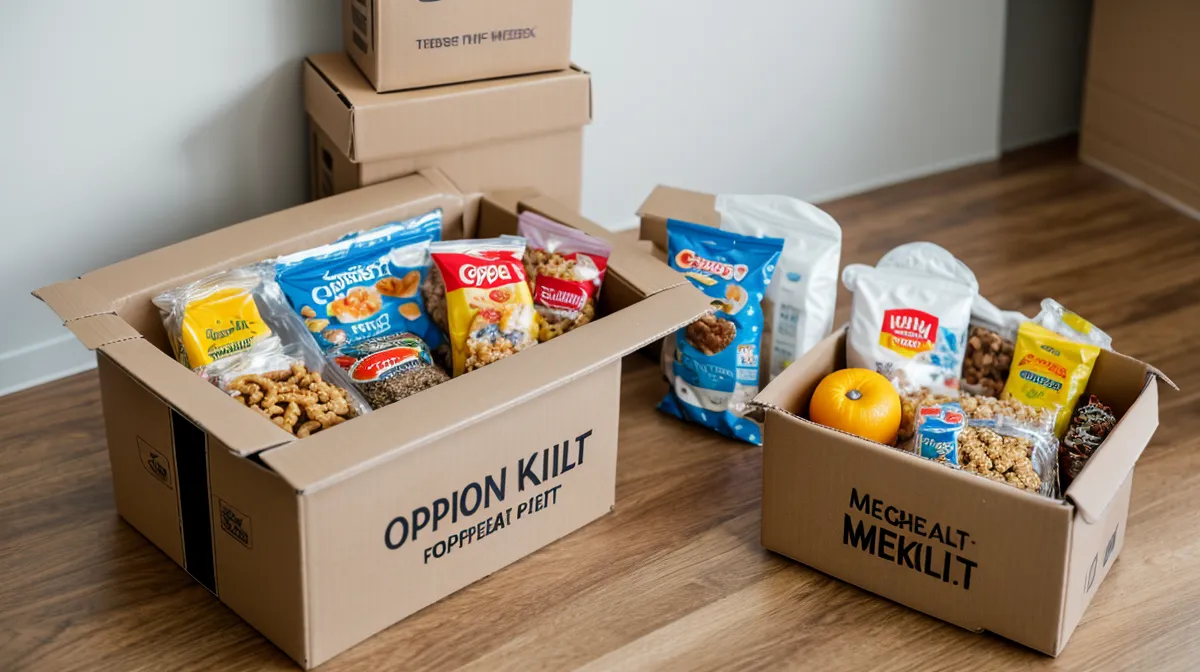
Twelve recipes land on the Home Chef menu most weeks, and by the time my five-year-old and my second-grader are done vetoing things, maybe three survive an actual Tuesday without a renegotiation at the table. That ratio is the real answer to whether a meal kit subscription is worth the cost for a working mom running a hybrid schedule: not whether the box photographs well, but how many of its weeknight recipes an actual family dinner table will eat without a fight.
Before any of that: every meal-kit link on this page is an affiliate link. I earn a commission if you sign up through one, at no extra cost to you, and current pricing lives on each vendor's own page and shifts often enough that quoting it here would be wrong within a month. I cooked these boxes on real weeknights, not on comped review samples sent for the occasion, and the ones that flopped get reported with the same flat tone as the ones that stuck.
Hybrid work did not invent the dinner problem on its own, but three days a week with client calls bleeding straight into pickup time made it worse. Mediating a vegetable standoff while a release ticket pings in Slack is not something any recipe card accounts for, and if you are circling that same evening scramble, checking what Home Chef's family trays actually deliver versus what the marketing photos promise is worth doing before you commit to a box.
What Do Twelve Weeknight Recipes Actually Get a Working Mom on a Tuesday?
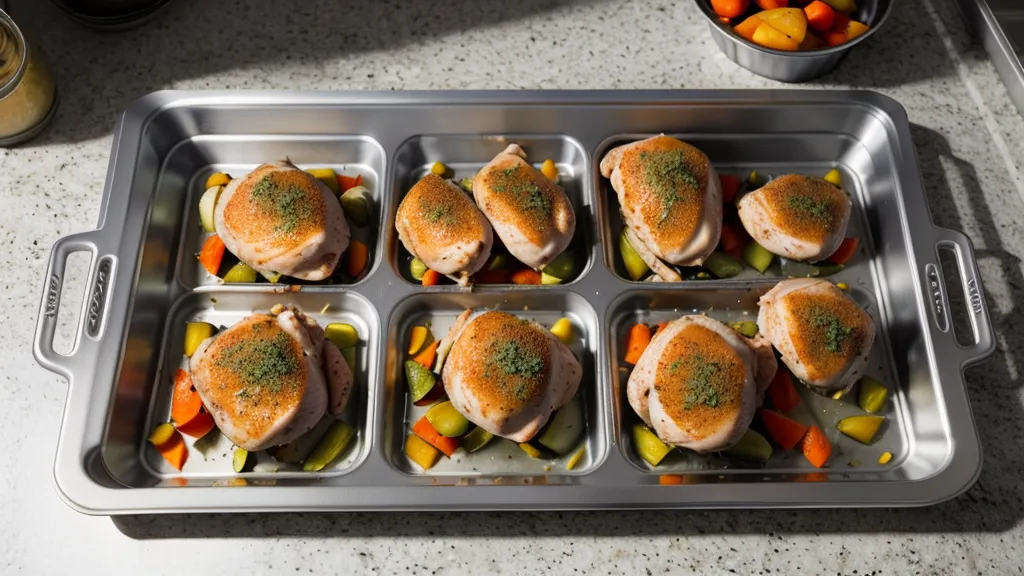
The month before we started any of this, I spent a whole Saturday pinning freezer-meal recipes, the make-ahead casseroles and foil-pack dinners every parenting feed swears by, and portioning them into the freezer for the weeks ahead. Three separate weeknights later, both kids refused every single one, flat rejection across the board, and we were back to cereal at the counter by eight. That failure is most of why handing the decision over to a sealed box felt worth paying for, well before I had worked out whether the math made sense.
Home Chef's oven-ready trays are the part that actually changed our Tuesdays — a sealed aluminum tray of pre-seasoned chicken or salmon goes straight into a hot oven, no six little bags of produce to prep around a laptop that is still open from the afternoon's last meeting. Whether that counts as cooking is a fair argument, but it bought back real minutes on a night that otherwise disappears into chopping.
For a Tuesday that already includes pickup, a sprint review, and some mix of homework and tears, finding Home Chef family menu options for parents who hate meal planning cuts out a whole layer of weekly decision fatigue that most working parents never factor into the cost of a box.
Blue Apron, which stayed in our rotation alongside it for a while, asks for real knife work and multiple pans on the stove, and eight boxes into a stretch the recipe variety that felt exciting in week one started to feel like a second job. A box labeled fifteen minutes that needs four dirty pans and a reduction sauce is the cooking equivalent of a meeting that should have been an email, and my older kid's grudge against onions does not improve under that kind of pressure.
Four Servings on the Label, Four Different Appetites at the Family Table
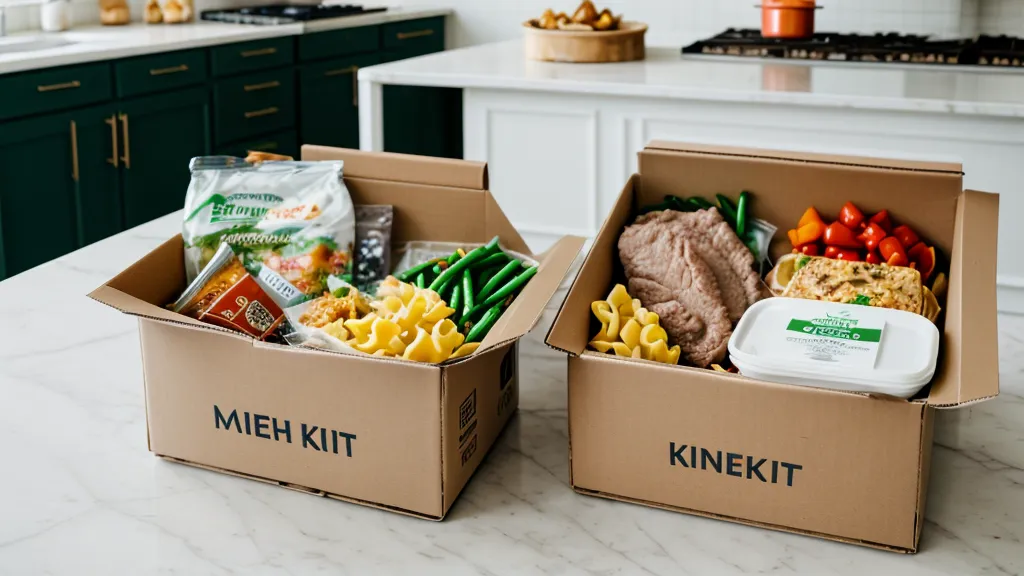
Around week eight of the family plan, one dinner told me more than any week before it had. My younger one pushed her own plate toward the sink, empty, and asked what was for dessert before I had finished my first bite — no prompting, no negotiating over three more bites of green beans, nothing. That is a higher bar than most recipe cards clear in a normal week.
That same week, a tray of sliced chicken cutlets and green beans vanished in minutes and left my husband checking the pantry twenty minutes later, which tells you the serving math is not the same claim across the whole menu — the taco skillets and baked pasta dishes run generous, the leaner heat-and-eat options run tight.
Which recipes the five-year-old eats without a renegotiation is a tally I keep somewhere in my head more carefully than any other metric in this rotation, and it decides what gets reordered far more than the photo on the box ever does. Swapping a protein or dropping a vegetable before a box even ships has saved more dinners than any actual cooking technique has, since the onion grudge changes shape roughly every season.
How deep the vegetarian lineup runs in a given week, versus one token meat-free recipe propped next to everything else, is a different question than whether that single recipe is any good — and it is one I only started paying real attention to after a friend of mine, who does weekend pottery classes at a studio on State Street, asked me to check for her own kids.
I am not a dietitian and have no business telling you whether a week of these boxes balances out nutritionally for your specific kid. That is a question for an actual pediatrician, not a parent with a laptop and two picky eaters.
Keeping a couple of Tempo by Home Chef meals stashed in the fridge became our insurance for the nights one parent was stuck on a late call — it earns its spot more at lunch on my work-from-home days than it ever has at the dinner table, but on a rough evening it beats the alternative by a mile.
Thrive Market filled a different gap, the pantry kind rather than the delivery kind. Stocking crackers and shelf-stable proteins through Thrive Market only pencils out once the membership fee stops feeling like a tax, which for us meant treating it as backup for the weeks a box got paused rather than a weekly habit on top of two subscriptions — and their own-label snacks pass the kid test about as often as the name-brand version did, which genuinely surprised me.
Breaking Down the Box Nobody Warns You About
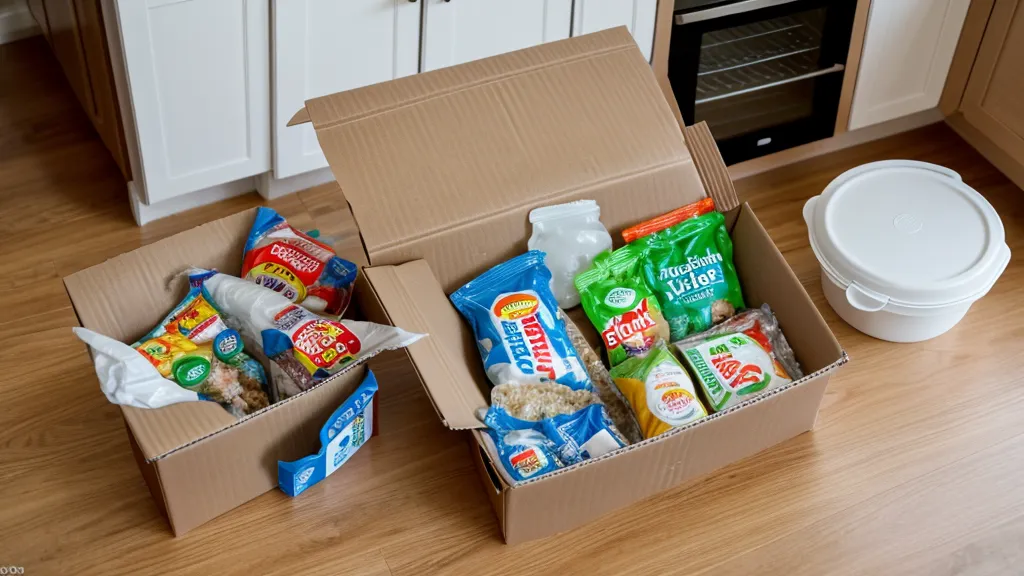
Every meal kit review talks about the time saved on chopping garlic or skipping the checkout line. Almost nobody warns you about the administrative overhead of the physical packaging itself.
Perishable boxes travel inside insulated liners with gel packs built to stay under the line food safety guidelines expect for a long truck ride, which is good engineering but somebody still has to deal with it on your end. By the time I get around to breaking a box down, the marinade from whatever protein shipped that week has usually dried onto the cardboard underneath it, which means flattening it for recycling is never the quick two-minute job you picture.
Whether any of this beats just buying the same ingredients at the store is a fair question, and most weeks the honest answer is that convenience is the thing we are actually paying for, not the groceries themselves. How a box feels per plate once you have eaten through a full week of it is more of a gut sense than a number I would ever defend in a spreadsheet, but it is the number that decides whether we reorder.
One week the box arrived short a bag of broccoli, and instead of waiting on a credit or an email back-and-forth, I just drove to Willy Street Co-op on Williamson Street, grabbed a replacement bunch, and got on with the night. That told me more about how forgiving a service needs to be than any glossy recipe card ever could.
Where Home Chef Earned Its Spot in Our Weeknight Rotation
Running two services at once instead of committing to a single favorite is the actual strategy here, not a failure to decide. By late summer, when kindergarten pickup, homework packets, and back-to-back sprint reviews left zero margin for error, any kit that needed more than two dishes simply stayed sealed in the crisper drawer until it went bad.
A reader named Priti Mehrotra, who found the site during a pause between other boxes and stuck around for the comparisons, emailed once asking exactly how many pans a given box actually dirties. That question is the reason I started keeping a rough tally instead of guessing, and cleanup counts for nearly as much in this rotation now as flavor does.
What kept Home Chef ahead of the others longer than I expected is that its stated cook times behave the way a QA engineer wants a shipped feature to behave, matching what the label said it would do, which is the whole argument I lay out separately in testing Home Chef from a software QA perspective. Pausing a delivery before a travel week, or skipping one box without a support chat, ends up mattering just as much to us as any single recipe does.
If your Tuesdays look anything like ours, Home Chef's family trays are the box that outlasted the most schedule chaos in our house, while Blue Apron stayed the one we reach for on a weekend when somebody actually wants to cook. The lesson that stuck longest across all this rotating is a simple one: the only serving size that matters is the one your own kids actually finish, and no label on any box will tell you that in advance — you have to run it past your own table first.
Home Chef
Pros
- ✔ Reliable oven-ready trays drastically cut Tuesday sink dishes
- ✔ Clear 12 to 15 recipe weekly menu rotation
- ✔ Simple pause and skip controls that respect your calendar
- ✔ Kid-friendly flavors that avoid dinnertime tantrums
Cons
- ✗ Portions on certain lean meat meals run small for four hungry eaters
- ✗ Managing bulky cardboard and heavy gel packs requires regular garage cleanup