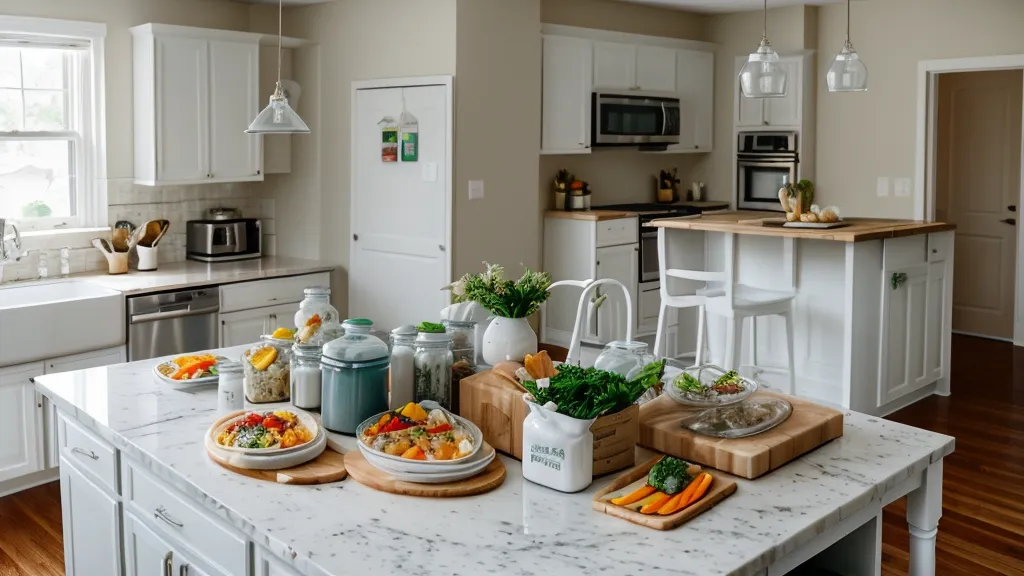
The gel pack tucked inside a Blue Apron Prep and Ready box turns cold enough to feel through the cardboard before the flap is even open. That single detail sums up what this quick-prep meal kit line sells a working parent: somebody else already handled the composing and the searing, and all that's left is heat, plate, and hope nobody notices the green sauce before it hits the table.
Quick disclosure before anything else: every meal-kit link on this page is an affiliate link, and Blue Apron or whichever service you click through to pays a referral fee if you sign up — it doesn't change your price or the first-box deal already on offer. Six different services have rotated through this kitchen over a few years of Tuesday-night trial and error, not because I have any culinary training, but because I work in software QA and needed a system that survived a real weeknight. None of this is medical or nutrition advice; check with your own pediatrician for anything specific to your kids.
Blue Apron's Quick Prep Fixes One Specific Problem
My day job pays me to find where a system breaks before a customer does, and that habit doesn't clock out just because dinner's on deck. Running Blue Apron through its paces wasn't about finding a five-star plate, it was about finding a box that didn't crash the night I still had regression tickets open and a kindergartner who'd just decided anything green was suspicious. Six services into this rotation, the marketing photo reads like the spec sheet, and my actual kitchen table is the environment where the bugs surface.
Standard Blue Apron boxes are genuinely good but they ask a lot: full technique, real knife work, the kind of dinner where you learn something if you have the twenty spare minutes. Zesting a lemon is not a step you get to run mid-kindergarten-math-check, and Prep and Ready is the patch for exactly that failure mode — a tray that asks nothing of you but heat and a fork. Elsewhere I've broken down how often a box's stated cook time runs long against the clock in a real kitchen, and Prep and Ready is the rare line where the label matches reality.
Something in my shoulders lets go the second I spot a No Prep label on a lid, after back-to-back client calls have eaten the whole afternoon. That reaction isn't something I can put a number on, but it shows up often enough that I trust it.
Is Blue Apron Worth It Next to Home Chef and Tempo?
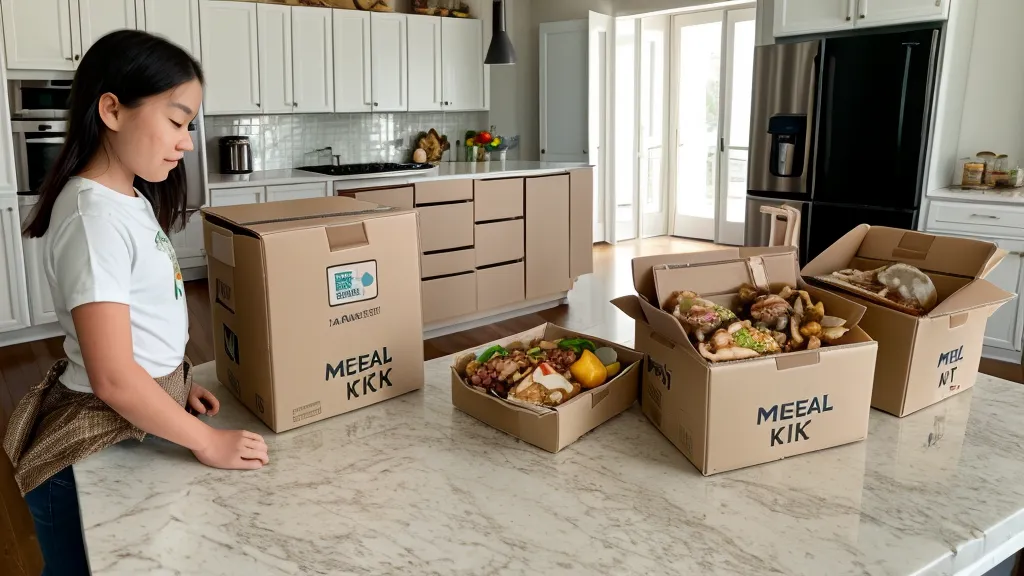
Late spring brought a direct side-by-side test against Home Chef's Fast & Fresh line, the one that had carried winter. Home Chef still wins on sheer rotation, with twelve to fifteen recipes cycling through in a week, but Blue Apron's ready trays aren't competing in that category at all. They read as one finished, composed plate rather than parts sitting in a tray waiting for a cook.
Tempo by Home Chef takes the microwave-only route, and it's efficient, though the texture lands somewhere between al dente and rubber more often than I'd like. Blue Apron's heat-and-eat tray lets out a thin, faintly metallic hiss of steam at the foil corner around the three-minute mark, and that small detail reads as real food in a way a fully-frozen entree never quite manages. Tempo suits the night there's nothing left in the tank; Blue Apron's Prep and Ready line suits the night you still want dinner to feel like a meal, even with the stove untouched.
Portion sizing gets its own deep dive in my Home Chef vs Blue Apron writeup for working parents — short version, a single Blue Apron tray runs smaller than two adults splitting one tend to expect, and that matters more than the recipe card admits. Juggling a hybrid work calendar against a fixed delivery window is its own separate headache, and I go deeper on that logistics question in my notes on Tempo for parents working hybrid.
The Six-by-Eight-Inch Recipe Card Problem
One evening after swim lessons at Warner Park Community Recreation Center ran past pickup, the "Recipe Discovery" side of Blue Apron backfired completely. My older kid treats the six-by-eight recipe card like an instruction manual for a video game, flipping it to the numbered steps before the tray's even out of the box. That night, the trouble wasn't him, it was the pesto. Photographed pale and subtle on the card, it showed up unmistakably green in the actual bowl, and my kindergartner leaned over the tray, gave it one long, suspicious sniff, then shot back an approving thumbs-up like he'd just signed off on a code release. No meltdown, for once.
That tradeoff holds regardless of how any single dinner turns out: Prep and Ready buys convenience by giving up almost all customization. A normal kit lets me pull onions off a plate before they hit the table; a sealed tray has whatever's mixed in mixed in, permanently. A CSA farm box got a real trial for one stretch, on the theory that produce showing up on a schedule would force better dinners out of us — instead the vegetables mostly sat in the crisper and rotted, because a box of kohlrabi and chard doesn't come with a plan attached. A sealed tray solves a different failure mode than a crate of unassigned vegetables, and it's worth knowing which failure you're actually trying to fix before you subscribe to anything.
Making the Ready Trays Work for a Working Parent's Week
Six weeks into rotating these trays through the regular lineup, they'd settled into one specific role: a buffer, not a full replacement. Thrive Market still keeps the pantry stocked with frozen backups for nights when nobody orders anything at all, but Blue Apron's trays are the better fresh option for a hybrid work-from-home day when lunch got skipped, or a night when nobody has energy left to look at a pan.
Portion size cuts both ways here. These trays are single-serve, and with two kids in elementary school and kindergarten, the choice is either four trays a night, which adds up fast, or splitting trays and padding plates with fruit or bread. Nowhere near as flexible as the Home Chef Family Plan built for bulk, and I've tracked separately just how differently kids actually accept each service's kid-labeled meals once the tray lands on the table. Blue Apron does own one lane outright, though: a Friday box, once the kids are down for the night, is the only one in the rotation that feels like a date night instead of a chore.
Berta Prendergast, a friend from the sideline at our kids' soccer games, never springs for protein upgrades on her own boxes but interrogates mine every week about whether they were worth the extra charge. The wine add-on is the one upgrade worth defending to her — a small-format bottle sized for two adults to split without turning a Thursday into a hangover. It's also where the bigger argument about prepared trays versus something built from raw ingredients gets interesting, though that's a longer debate than one Blue Apron box can settle.
The Verdict After Six Weeks of Ready Trays
A reader named Nneka Obi wrote in this spring after a chaotic school break left her with two surprise charges from boxes she'd forgotten to skip. She tracks pause windows the way some people track phone-plan overage charges, and her questions are a big part of why I now check that setting before I check the menu. Blue Apron isn't the easiest of these six to pause on short notice, and if that's the bigger worry, the friction of pausing or canceling each service is covered in more detail elsewhere.
None of this turns Blue Apron into a miracle. It won't convince a kindergartner that green food is safe on principle, and it won't file anyone's regression tickets. What it does is cut the decision fatigue that otherwise ends with cereal at the counter, landing at about a takeout dinner cheaper per person than most of what's on State Street. Maximum variety and dependable kid-safe options still point toward Home Chef for most weeks. But on the nights the stove is a non-starter and dinner needs to taste composed — even eaten sitting on the floor next to a half-built Lego set — Blue Apron's Prep and Ready line earns its spot in the rotation. It's the one box in six that feels like a reward for surviving the week instead of one more chore on it.