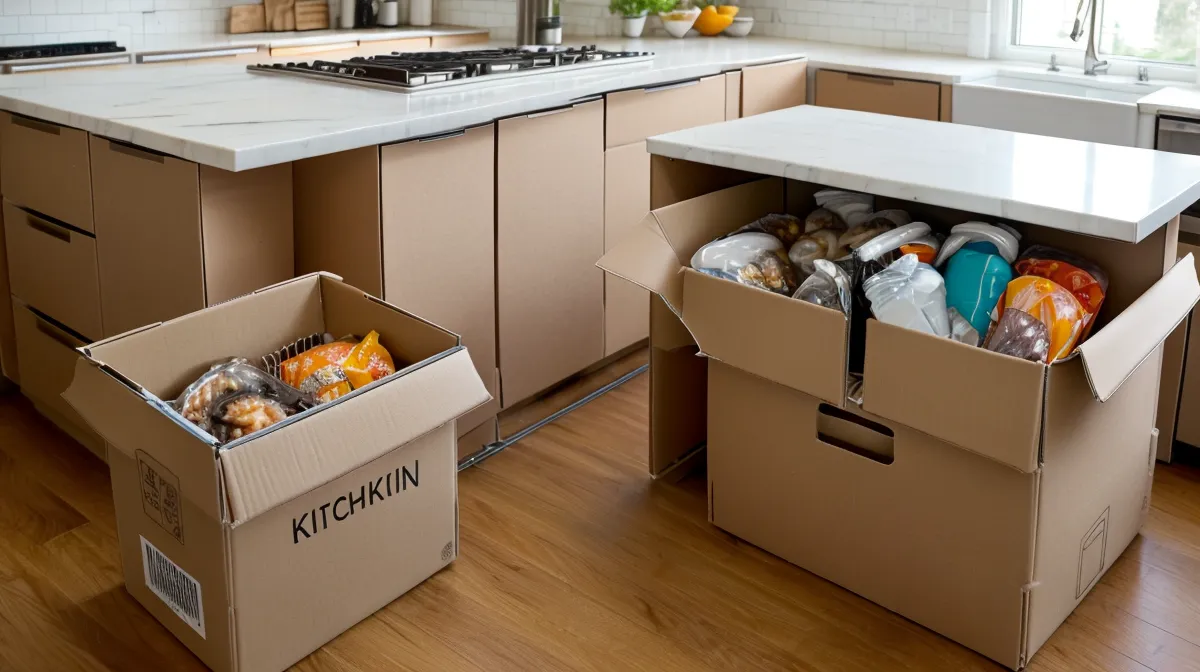
Cheerios rattle into a bowl at the counter while I'm still typing out a ticket update, and my third-grader doesn't even ask where dinner went anymore — he already knows how this goes. Two working parents, two kids on two different school schedules, a laptop that doesn't close just because it's almost six: that's the actual math behind every meal kit review this working mom ever wanted to read and couldn't find, so I started keeping my own. I spend my work hours finding what's broken in other people's software as a QA engineer, and at some point I started running the same kind of checks on our weeknight dinner routine — because busy parents don't need a cheerful pitch about family meals, they need to know which box survives an actual bad night.
Quick disclosure before any of that: the meal kit links on this page are affiliate links, and if you sign up through one I earn a commission at no extra cost to you. Nobody sent me a free box for this — these takes come from one household's rotation, tested across soccer pickups, late client calls, and the nights absolutely nothing goes to plan. If you want the one that's held up the longest in our kitchen without me having to think about it, Home Chef is where I'd point you first.
Why Does a Working Mom Need a Meal Kit Rotation at All?
I used to think the fix was cooking smarter, not paying someone else to pre-portion dinner — a Sunday spent batch-cooking a big tray of chicken and rice, groceries from Willy Street Co-op on Williamson Street lined up on the counter like a plan that would actually hold this time. It held for about a month. Then a work sprint got heavy, the containers sat untouched past Wednesday, and I was standing in front of an open fridge at six with two kids asking what's for dinner and no real answer that didn't involve a phone and a delivery app. For a stretch, the answer was a standing Friday pizza order kept as the emergency backup — except it quietly stopped staying on Fridays and started covering every night the week fell apart, which is its own kind of mess to walk back from.
That's when a meal kit stopped being a novelty and turned into infrastructure. Running quality checks on other people's software all day made it easy to start running the same kind of checks on our dinner routine — pause the box that demands too much attention during a heavy release week, keep the one that needs almost none. No single service covers every week of a school year. You need more than one tool in the rotation, which is the entire reason this is a comparison and not one tidy recommendation.
Home Chef and Blue Apron, the Two Steady Options
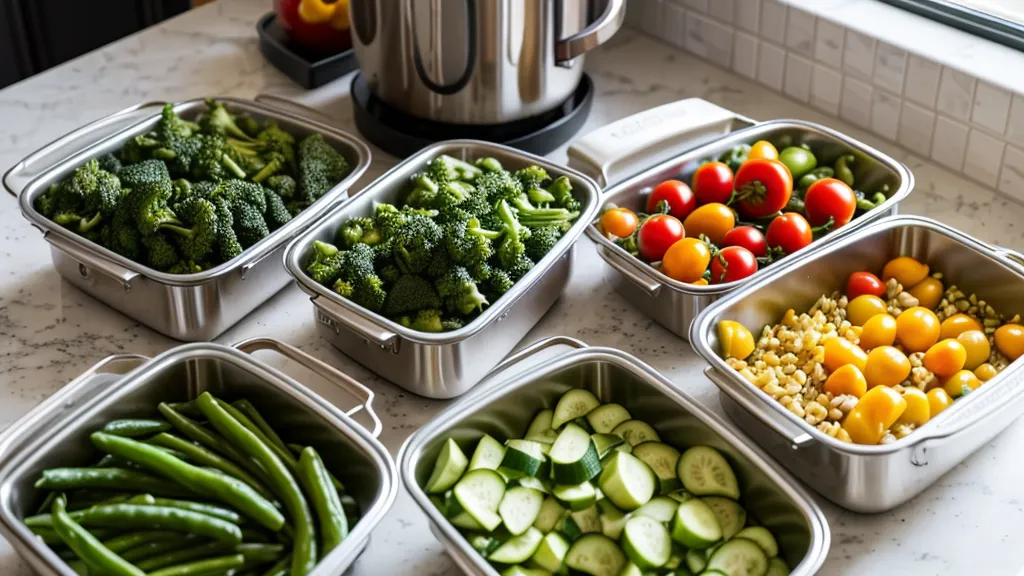
On the days I'm in the office, getting back across town is a gamble, so Home Chef is the box I lean on when I need the "fast" label to actually mean fast. Their weekly lineup usually runs a dozen or more recipes, wide enough that something lands with both kids most weeks, and their quicker options come closer to the printed cook time than almost anything else I've tried — one of the few kits where a fifteen-minute claim doesn't quietly turn into something longer. I peeled the film back on one of their trays last winter and found the marinade had dried into a tacky glaze along the cardboard underneath, which told me the box had sat a day longer than planned, not that anything was wrong with the food itself.
Blue Apron is a different animal — closer to a Friday-night project than a Tuesday fallback. It leans into recipe discovery, which is good for the kid who actually reads the technique cards, but the clock on the box tends to undersell the real work involved, especially once you're also refereeing a Lego dispute at the table. Portion sizes across both of these boxes have stayed close enough to what's promised that I've stopped weighing plates to check, though Blue Apron runs tighter on nights when the appetite at the table is bigger than usual. For a longer side-by-side of how each one handles an actual weeknight with kids underfoot, I wrote up Home Chef vs Blue Apron for working parents separately.
On nights when even a fifteen-minute box feels like too much of an ask, Blue Apron Prep and Ready Meals split the difference — less involved than a full kit, though it never quite gives you that made-this-myself feeling a standard box does.
Even the Fast Kits Stopped Being Fast Enough
Spring break was the real stress test. Kids home all day, calls running late into the evening, and even the quick-prep boxes sat unopened in the fridge because nobody had thirty seconds to open the box, let alone cook from it. What we needed was a tier below "cook from scratch," something closer to a safety net than a meal. Tempo by Home Chef became the answer for the nights that were beyond saving.
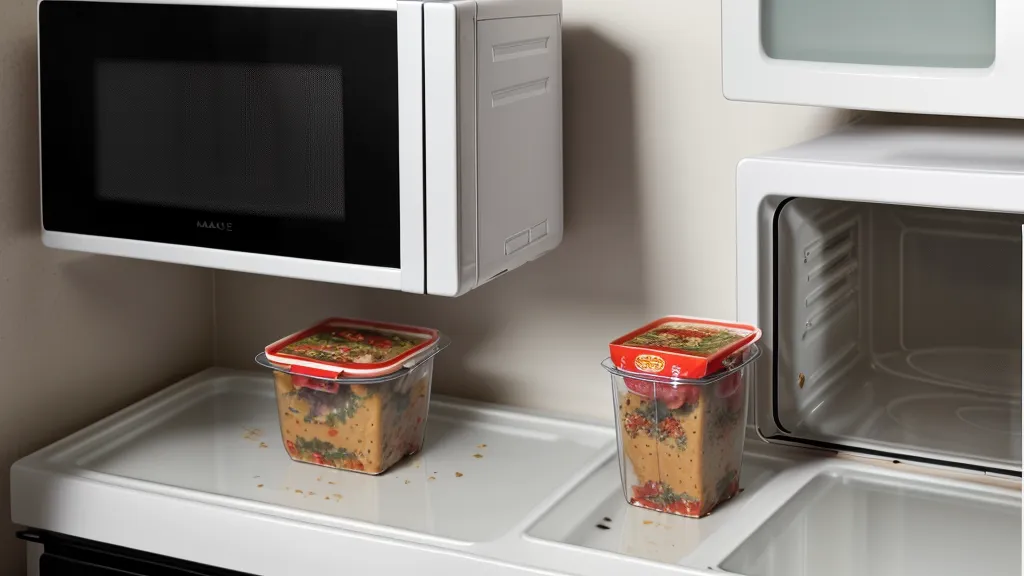
Tempo runs single-serve and microwave-ready, which makes it a strange fit for a table with four people at it — it's less a meal kit than a prepared-food safety valve, sitting at the opposite end of the spectrum from a from-scratch box like Home Chef, built for the parent eating alone after the kids are already down rather than a family meal in the usual sense. On a night when I'm closing tickets past eight and don't want to wash a single pan, that's exactly the point. Weeknight logistics matter more than menu variety on those nights: the box that asks nothing of me wins, every time, over the box with the better recipe. I went into more detail on that trade-off in my Tempo by Home Chef review, but the short version is that it's the backup you hope you don't need and are relieved to have anyway.
Somewhere around the seventh week of leaning on Tempo as our late-call backup, I noticed the kitchen was clean and the bedtime story had already started before seven most nights it got used — not a big turning point, just a quieter kitchen than the one we'd had all winter.
Filling the Gaps With Thrive Market
By late spring, the meal kits themselves started to feel repetitive — box fatigue is real once you've opened enough cardboard trays in a row. Thrive Market isn't a meal kit at all, it's how we bridge the gap between them. I use it to stock the pantry staples and better snacks that keep two kids from raiding the cupboard while dinner is still fifteen minutes from the table, so one delayed delivery doesn't take the whole week down with it.
Which Box Fits Which Kind of Week?
After a year of rotating boxes, I sort them less by cuisine and more by how much chaos a given week can absorb. A total-meltdown week gets the microwave option. A relaxed Friday gets the ambitious Blue Apron recipe with the wine pairing nobody needs but is nice to have. Most ordinary weeknights land in the middle, where Home Chef is the one that gets opened without an argument. Kid acceptance is its own variable worth tracking separately from taste — my kindergartner will try almost anything once she's watched her brother eat it first, so a kit that wins over the pickier kid tends to clear the whole table, not just half of it.

Pausing a subscription matters just as much as picking the right one. My friend Berta, who I know from the sideline at our kids' Saturday soccer games, runs her own small accounting practice and treats every recurring charge on her card like a line item that needs justifying — she asked me once why I'd let three boxes auto-renew instead of pausing the one we weren't using, and honestly, she wasn't wrong to ask. Home Chef's pause-and-skip controls have been the one part of the rotation that's never cost me an email back-and-forth, which matters more than it sounds like it should when the school calendar changes every other week. A reader named Nneka Obi, juggling three kids and three different sets of food restrictions at one table, wrote in after a chaotic spring break left her with two charges for boxes she'd forgotten to skip — her questions about pause windows are a big part of why I started paying closer attention to which services make skipping painless and which ones bury it three menus deep. If you're ready to stop the cereal-for-dinner cycle, Home Chef has been the one box that's earned a permanent spot in ours.
None of this replaces an actual conversation with your pediatrician if you have real concerns about what your kids eat, especially with a younger kid who's still figuring out new foods. I'm only qualified to talk about the logistics of getting dinner on the table, not the nutrition behind it — the best kit, in my experience, is whichever one actually gets opened instead of sitting in the crisper drawer while everyone waits on takeout again.
Whether you're another working parent staring down the five-to-eight gauntlet or just someone tired of the same three dinners on repeat, the goal here isn't a perfect kitchen, it's a fed table and a kitchen that isn't on fire. If you want one box that scales with an unpredictable week, give Home Chef a try — it's the one that's survived every round of this rotation so far.