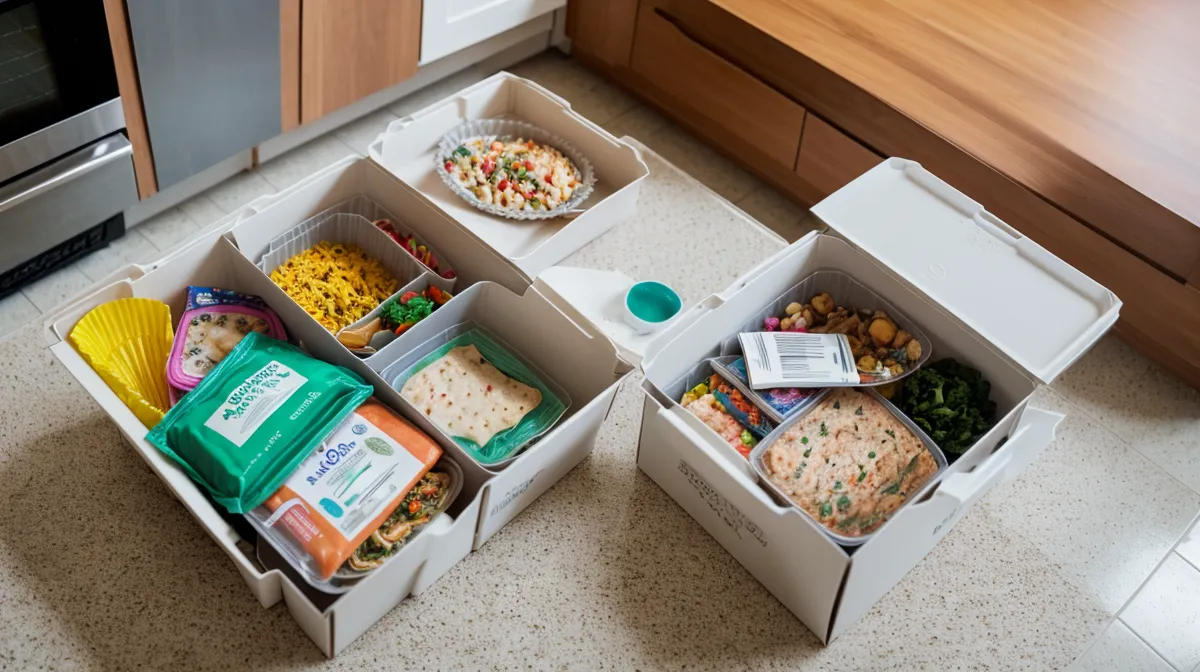
A Blue Apron box built for a slow weekend and a Blue Apron box eaten on a rushed weeknight are, on paper, the same subscription — same truck, same recipe card, same portioned spice packet. In this house they behave like two different services, and the only way a Blue Apron review holds up as an honest subscription-rotation entry rather than a single verdict is to split those two modes apart and weigh them separately, the way any working-parent hack gets tested against a real week instead of a good one.
Quick disclosure before the comparison starts: every meal-kit link on this page is an affiliate link, and clicking through to sign up sends a referral commission my way at no extra cost to you. Every box named here got paid for and cooked in my own kitchen, not comped by a brand, and the subscriptions that quietly stopped getting opened after a few weeks stay on the list right next to the ones that survived — hiding the misses was never the point of a meal-kit-comparison like this one.
This Blue Apron Review Splits Into Two Modes: Discovery and the Tuesday Rush
Software QA is the day job — hybrid three days a week, worked mostly from a kitchen table in Madison, Wisconsin — and the habit of separating a system's advertised behavior from what it actually does followed me straight into grocery deliveries. Blue Apron markets itself as the technique-first, discovery kit, and set against Home Chef's steadier twelve-to-fifteen-recipe weekly menu, that pitch holds up fine on a night with room to breathe. It stops holding up the moment the calendar gets tight.
Unlike Thrive Market, which functions here as a pantry patch between kit weeks rather than a dinner plan on its own, Blue Apron leans entirely on fresh produce and what the box calls the knack of cooking it right. My neighbor Dinah, three doors down the block, runs a completely separate rotation of her own and reduces every kit to cost per serving against an equivalent grocery run before she'll call any box worth it — a useful second opinion whenever a subscription feels expensive without an actual number attached to why.
None of that changes what actually ships in the box from week to week, and this week's Blue Apron menu is public before anyone commits to a delivery day, which makes the discovery claim easy enough to sanity-check against what's really on the schedule.
Why Doesn't Weekend Packaging Survive a Weeknight?
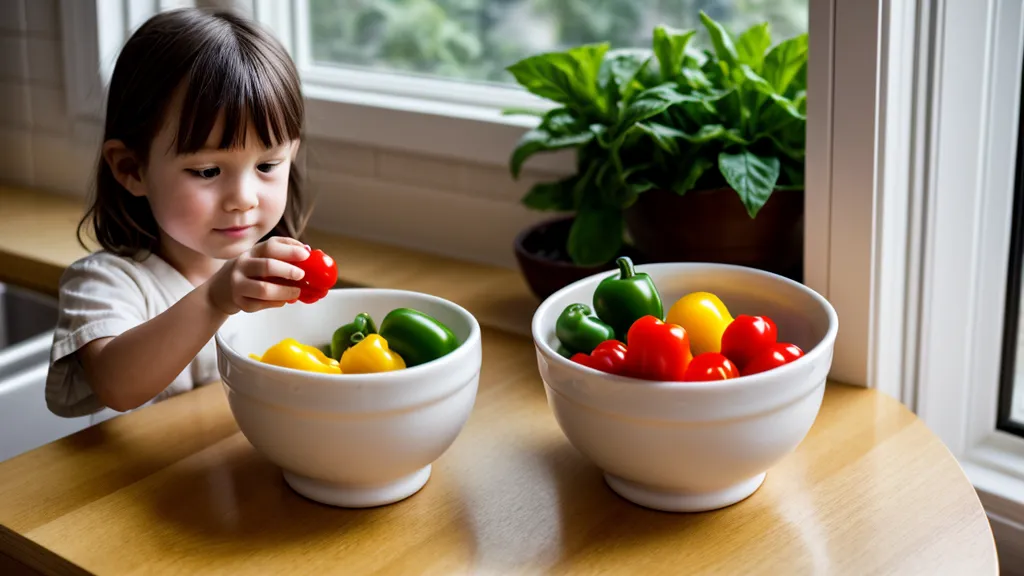
The box itself makes a promise before a single ingredient gets unpacked — cold gel packs, produce wrapped like it's fragile, a technique card printed like a keepsake instead of a throwaway recipe sheet. That's the discovery experience Blue Apron sells, and on a slower afternoon with nowhere urgent to be, it delivers: the older kid started actually reading those technique cards within the first few boxes and correcting a knife grip mid-recipe, because the card explained the reasoning behind the grip instead of just the steps.

Move the same box to a weeknight and the ice pack goes straight into the sink to melt while the card's prep-time estimate collides with a portioning system that hands over exactly one teaspoon of a spice now buried in a nest of butcher paper. Hunting for that single packet is where the real gap between the label and the clock lives, and Blue Apron's own version of that gap is one entry in a wider pattern tracked across every box that's rotated through this kitchen — a realistic-cook-time audit, though that comparison earns its own separate piece rather than a rehash here.
Weighing the Claims Against a Real Tuesday
For nights that specifically need to be fast and forgettable, Tempo by Home Chef earns the slot for late-call evenings instead of forcing Blue Apron into a role it wasn't built for. Weeknight-logistics is really its own separate problem, solved one way by a microwave-first box and a different way by a from-scratch one, and that particular comparison deserves its own write-up rather than a paragraph buried in this one.
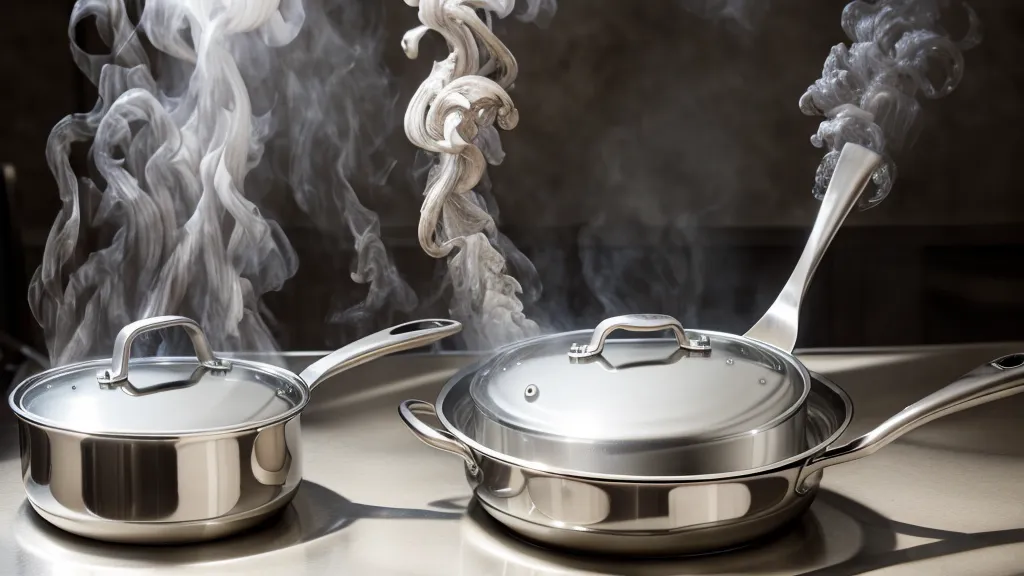
On a slow day, a thirty-minute claim is background noise, because nobody's actually tracking the clock. On a tight one, thirty minutes is a hard boundary, and Blue Apron blows past it more often than it holds. One evening the card promised thirty and the pan needed fifty, and a full batch of shallots went black while a hard G got sounded out for a kindergartner mid-spelling-question with the burner still on high. That's not a bad recipe — it's a recipe written for someone who isn't also running homework help every three minutes, which describes most of the parents reading this.
The Dish Pile Tells a Different Story Than the Menu Photo
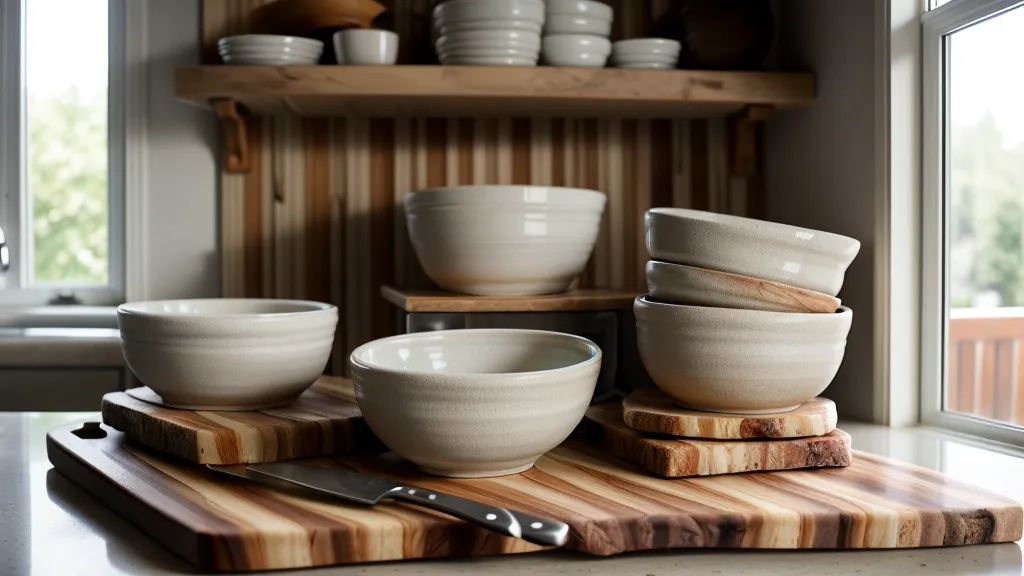
Compare the dish pile instead of the marketing photo and the two modes split even further apart. A weekend discovery box leaves a sink full of prep bowls that nobody minds washing, because the cooking itself was the actual point of the evening; the identical pile on a weeknight just reads as one more task wedged between dinner and bath time. Thrive Market works as a pantry patch between kit weeks rather than a nightly dinner plan, and Blue Apron sits at close to the opposite end of the shelf from it — solidly on the from-scratch, technique-first side of prepared-vs-from-scratch rather than anywhere near heat-and-eat.
Whether a subscription like this survives past the second month usually comes down to how it handles a broken week rather than a good one, which is really the subject of a longer comparison between Home Chef and Blue Apron kept updated separately. Short version, without repeating that whole argument: pause-resume-flexibility matters more than any single ingredient ever will, and Blue Apron earns or loses its spot in the rotation on cook time and kid acceptance, not on how easy the pause button is to find.
Kid acceptance is its own separate scoreboard — how often what lands on the plate gets eaten without a renegotiation is a different number than cook time or price, and it gets tracked in more detail elsewhere on this site. What actually convinced me Blue Apron earned a permanent spot rather than a probationary one wasn't a review score at all: it was watching the older kid stir a sauce loaded with onions and not say a single word about it, months after cycling through the same five easy dinners on repeat had gotten this house to a point where everyone dreaded rotation night.
Choose Discovery on the Weekend, Choose Rush Insurance on Tuesday
After eight boxes, and after three years of rotating one meal kit or another through this kitchen, the honest answer isn't "worth it" or "skip it" — it's a split verdict. Choose the discovery mode when a weekend is genuinely open, when nobody has a game at the Garner Park soccer fields on Madison's south side that afternoon and the kitchen gets to be the whole plan instead of a chore squeezed between two others. Choose something steadier — Home Chef's wider rotation, or a faster microwave option for a night that's already lost — when the weeknight is doing what weeknights do: a client call running long, a kindergartner who needs a bath before anyone's eaten, and a clock that never once cared what the recipe card promised.
If a slower, technique-first week sounds like the win right now, Blue Apron's current menu is worth a look before you commit to a delivery day — just don't retire the backup box of cereal in the pantry, because the shallots will still burn on the wrong Tuesday.