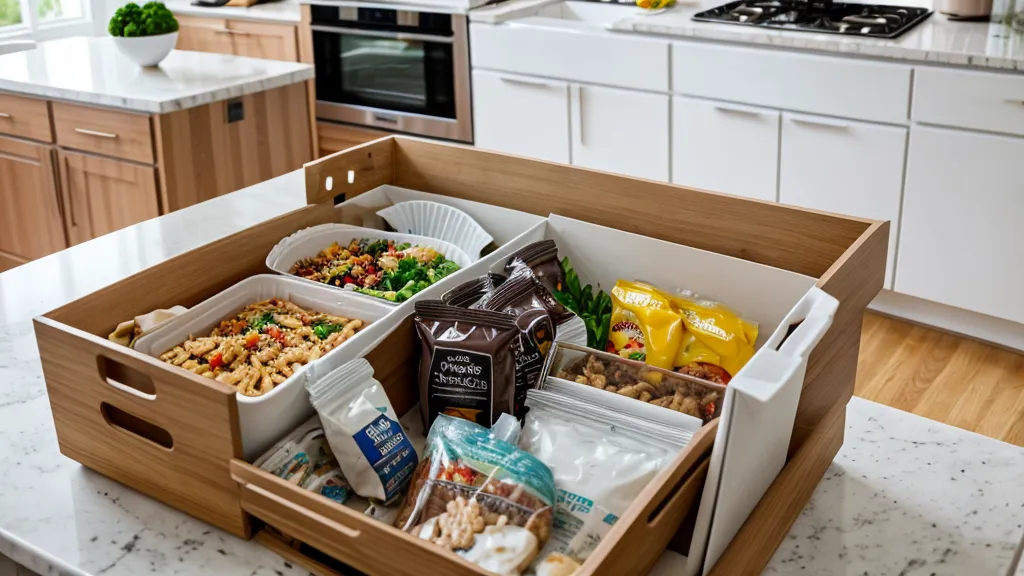
Zero. That is how many of the six meal-kit services in my rotation have ever shipped something that belongs in a school lunchbox. That gap is the assumption a lot of parents fall into — that a meal-kit rotation is supposed to cover the whole food picture, dinner and snacks both, and if it doesn't, the box itself is somehow failing. It isn't. Dinner logistics and school-lunch logistics are two separate jobs, and treating pantry staples like a side project of your dinner subscription is exactly why a busy parent ends up standing in a grocery aisle, squinting at ingredient labels for the third time this week.
Quick disclosure before we get into it: some of the links below are affiliate links, Home Chef, Blue Apron, Tempo by Home Chef, and Thrive Market included. If you click through and sign up, I get a commission at no extra cost to you. I have rotated through six meal-kit and grocery-adjacent services with two kids in tow, and I only keep writing about the ones that survive an actual Tuesday in our house. I am not a nutritionist or a pediatrician — I test software systems for a living, and this is one household's dinner-and-lunchbox data, not a clinical study.
Pantry Staples Are Not a Meal Kit's Job
The reviews in this space blur two very different problems together. Testing Home Chef taught me plenty about whether a "thirty-minute" recipe actually clears the stove in thirty minutes on a weeknight — that's a dinner problem, and it runs on a completely different clock than what goes into a lunchbox before the bus pulls up. School lunch is its own category: it has to clear a classroom's allergy policy, survive a five-year-old opening the container alone, and still look enough like what the other kids have that nobody trades it away. None of the meal-kit boxes I've tested were built for that job, and expecting them to cover it is the misconception that keeps parents cycling through school-safe options at the store instead of just building a second, separate system for it.
Every classroom draws its own line, and ours has landed hard on peanut allergy restrictions since my youngest started kindergarten — no exceptions, no "may contain" labels sliding through. That single rule is why "healthy snack" and "school-safe snack" are not interchangeable phrases, even though most pantry aisles treat them like they are.
Before I outsourced any of this, my husband and I tried keeping a shared Google Doc as a running snack-and-menu list, something we could both edit from our phones between meetings. We stopped updating it by the second week, and neither of us noticed for a month. A manually maintained document was never going to survive two working schedules, and it didn't.

The Nut-Free Filter That Actually Works for a Kindergarten Classroom
Thrive Market is the piece that finally closed that gap for us, not as a replacement for dinner boxes but as the dedicated snack-and-pantry leg sitting next to them. The filters are the actual product here: toggle "nut-free" and "school safe" together and the list narrows to things I don't have to double-check against the classroom rule sheet every single time. Compared with the general allergen filters on most grocery-delivery apps, which tend to be a loose keyword match, this one has held up across every order I've placed for our kindergartner's lunchbox.
Boxes typically land within a few days of ordering, and there's a real difference between it already sitting there when I get home versus realizing after school pickup that the snack drawer is empty and the only option left is whatever's at the gas station.
Is the Membership Fee Really the Dealbreaker People Assume?
My neighbor three doors down, Dinah Sobotka, is the person who actually stress-tests this math for me. She runs her own rotation of services, and every single kit she tries gets put through the same filter: what would this cost per serving if she'd just bought it at the store instead. Watching the kids climb the play structure at the Tenney Park playground along Lake Mendota one Saturday, she ran the numbers out loud on Thrive's membership against a comparable haul from a regular grocery run, and the membership won once you factored in the time we weren't spending driving to get it.
The membership fee only looks like a bad deal in isolation. Once you weigh it against what Home Chef already costs per plate for our family, or against a rushed evening grocery run for the same nut-free items, the math changes. It amortizes if you are already ordering two or three boxes a month between kits and pantry restocks. It does not amortize if you sign up and only order once a season.
Running a Pantry Membership Alongside a Meal Kit Rotation
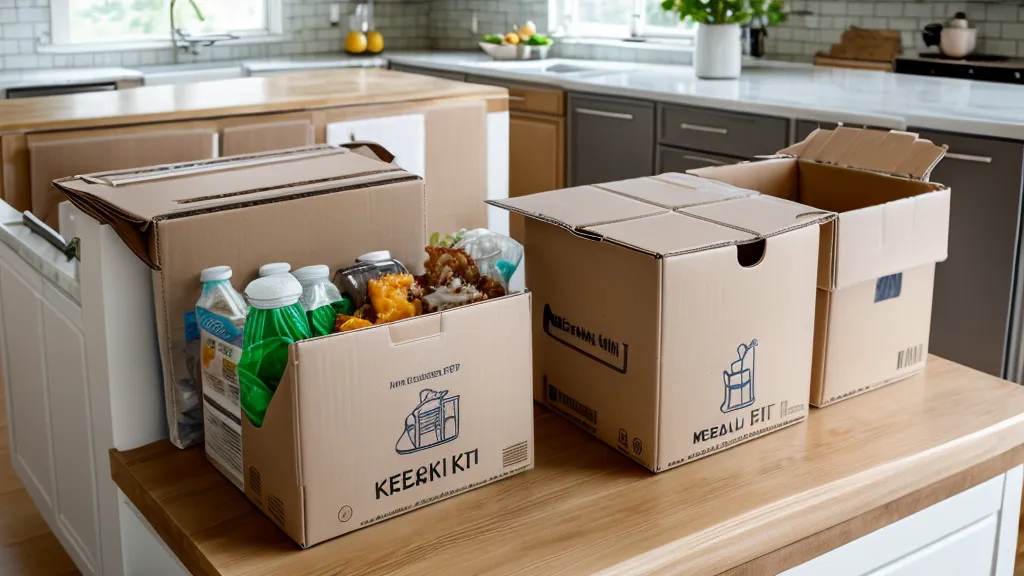
Blue Apron earns its spot on nights when I actually want to teach the older kid a real technique, not just get dinner on the table. Tempo by Home Chef is the opposite end of the spectrum, the microwave-only box for the nights everyone is scattered and I need something that doesn't involve a cutting board. I've written more about how that one handles a chaotic weeknight in my Tempo Meals Review for Busy Parents. None of that overlaps with what Thrive is doing in the pantry — Thrive doesn't compete with the dinner boxes, it backs them up.
Whether Home Chef's family plan actually gets eaten by a picky kindergartner is a whole separate argument I get into elsewhere, and it's not the same question as whether Home Chef or Blue Apron measures its portions accurately — those are two different fights I've had with two different boxes. Pausing any of these when summer travel or a school break scrambles the schedule is its own skill, too, and it varies more between services than the marketing pages let on. And if you're trying to decide whether prepared meals or from-scratch cooking makes more sense for a hybrid work week, that's a bigger question than any single subscription can answer.
The Fix: Split Dinner Logistics From School-Lunch Logistics
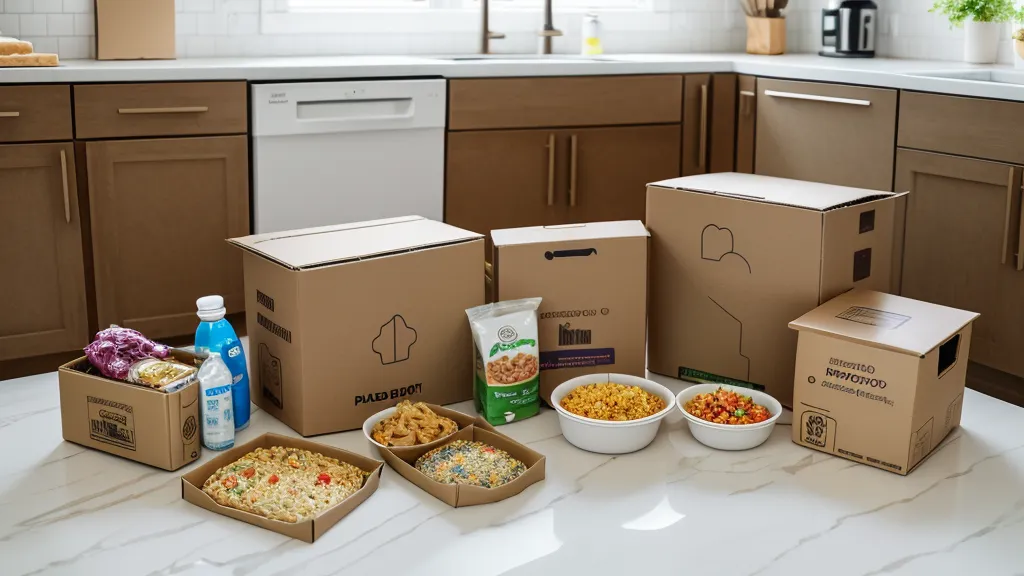
The fix is simpler than the marketing makes it sound: stop asking one subscription to do two jobs. Keep your dinner box, whichever one currently survives your household's Tuesdays, whether that is Home Chef or something else in the rotation, and run a dedicated pantry membership next to it for the stuff that has to clear a classroom's rules. Some weeks now, the kitchen is wiped down and I'm already on the couch for the bedtime story before it even starts, because the snack supply isn't something I'm solving at the last minute anymore.
That's the actual correction to make: don't judge a pantry membership against a meal kit's job, and don't judge a meal kit against a pantry service's job. Judge each one only against the specific gap it's supposed to close. For us, that gap is filled by Thrive Market, and if a classroom nut-free policy or a mid-morning snack crisis is eating into your evening the way it used to eat into mine, Thrive Market is worth setting up as its own separate system rather than expecting your dinner box to stretch and cover it too.