
A Tempo Meals tray needs four minutes in the microwave, timer to timer. That single number is why it earned a permanent spot as one of our better hybrid-work parenting hacks, right next to boxes from Home Chef and Blue Apron that ask for a lot more attention on a Tuesday — and why this meal kit review keeps circling back to it.
Every meal kit link in this piece is an affiliate link — clicking through and signing up sends a small commission back to me at no extra cost to you, and any first-box promo stays exactly what the company already offers new customers. I've rotated through six different services in this house, and the ones that quietly stopped getting opened after a few weeks stay in the comparison right next to the ones that survived, because leaving out the misses would make the whole rotation pointless.
My day job is quality assurance engineering, which mostly means I get paid to find the exact moment a system breaks under real conditions instead of lab conditions. Three days a week I work hybrid from home, and a 4:30 status update has a way of turning into a 6:30 post-mortem while the kids are still waiting on dinner. Tempo by Home Chef is the box that showed up for exactly that kind of week, the one where chopping an onion feels like a task I no longer have the bandwidth for.
Tempo Bets on Speed, Blue Apron Bets on Discovery
Blue Apron is built around the opposite instinct: new ingredients, a technique card that explains why you're searing instead of steaming, and a wine pairing add-on that makes a Friday box feel like an occasion instead of an obligation. Home Chef sits somewhere in between, with enough weekly rotation — a dozen to fifteen recipes most weeks — that there's almost always one the pickier kid will eat. Blue Apron's approach is a fine bet on a week with slack in it. It's a worse bet on a Tuesday when both parents are still logging off, the youngest is already in pajamas, and the only ingredient anyone wants to see is something that doesn't need chopping.
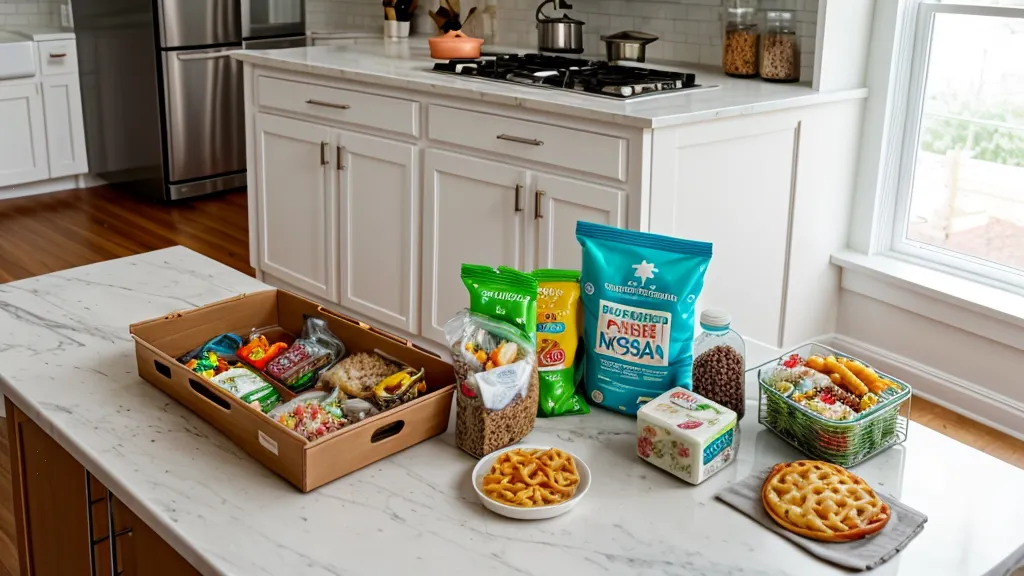
The two boxes aren't really competing for the same night. Tempo covers the four-minute end of the week, the nights that would otherwise end in cereal at the counter, no dishes beyond a single tray to toss and a fork to rinse, while Blue Apron covers the nights where cooking is still something we want to do together, onions and all. Tempo also leans hard on sauce to keep the meat from drying out during reheating, which is a fair trade for never touching a stove.
Verifying the Four-Minute Claim
Most kits advertise a fifteen-minute prep window, and that number quietly assumes a stocked pantry, a clean cutting board, and nobody underfoot. Measured against the actual gap between school pickup and the kindergartner's bath, that fifteen minutes usually runs closer to half an hour once you count washing the grit off produce or hunting for the one clean whisk, a harder benchmark than any test kitchen is working against. Tempo sidesteps the whole question by being microwave ready — no oven to preheat, no pan to scrub, just a timer counting down to zero.
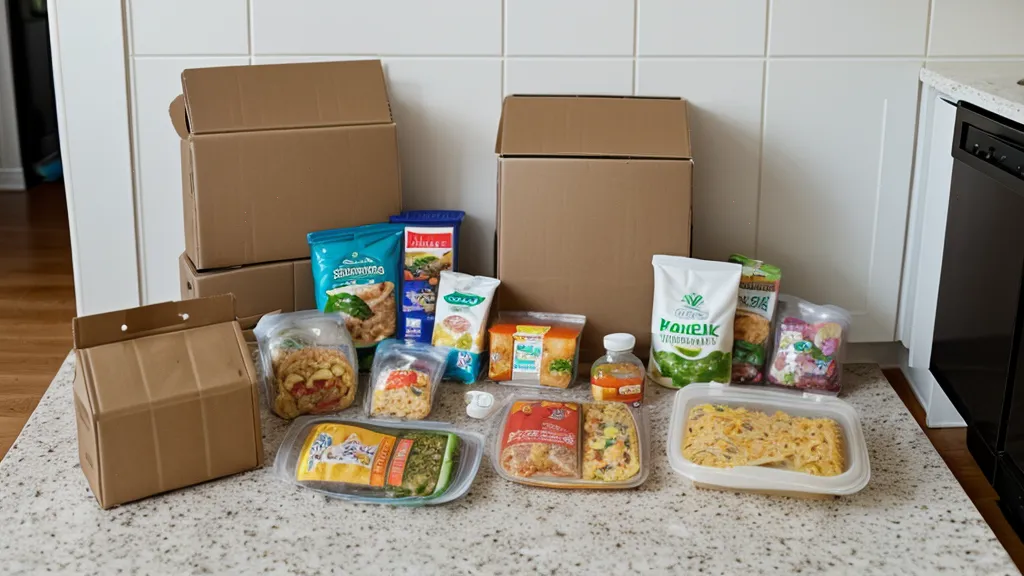
For anyone who still wants a version of this that uses a real oven, I've written up the Home Chef Oven Ready Meals Review for Stressful Weeknights separately — it's the middle ground between a full cook and a tray in the microwave, trading some of Tempo's speed for something closer to a real dinner. One tradeoff nobody puts in the marketing photos: Tempo's protein-to-starch ratio runs a little heavier than scratch cooking, and the calorie count printed on the label is consistently higher than what I'd plan for at home.
Checking the Box Before You Trust What's Inside
Before any of that matters, the box has to arrive in good shape. A meal kit delivery is safe to use if the perishables inside are still at or below 40°F, or if they're partially frozen with visible ice crystals still clinging to the packaging — anything warmer than that gets reported to the service, not cooked. I check this every time now, cracking the lid and folding back the slick liner over the cold compartment before I even glance at the recipe card, because a compromised delivery is a bigger problem than a bland dinner. It's a five-second habit, and it's the one piece of advice in this whole comparison that has nothing to do with taste.
Weeknight Logistics for Hybrid Work: Why Skipping One Box Undoes Them All
Weeknight logistics are the part no one photographs for the box lid. Running two or three subscriptions at once means tracking two or three different skip windows, most of which close about a week before delivery, on a schedule that has nothing to do with when your own calendar actually clears up. Miss one cutoff and a box you meant to pause shows up anyway, stacked in a fridge that already has another service's ice packs in it. That's the real skill this rotation demands: not chopping technique, just staying ahead of several separate cancellation deadlines while also being the parent who remembers where the soccer cleats went.
Prepping a stack of freezer meals looked like the obvious fix, once. A whole Saturday went into pinning recipes and getting everything portioned and frozen, certain that a little upfront effort would solve the Tuesday problem for good. By the following Tuesday, both kids refused every single one of them, and the containers sat in the freezer until they got quietly tossed. Some problems don't get solved with more effort on a day you happen to have free; they get solved with a system that doesn't require spare time at all.
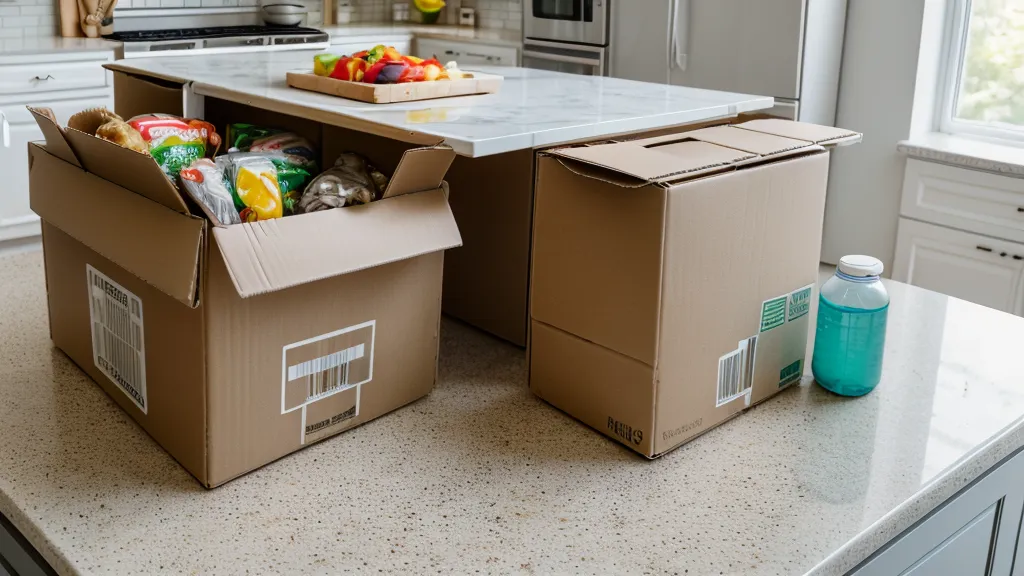
A neighbor of mine spends her Saturdays at a pottery studio on State Street, which sounds like the kind of hobby that requires its own planning — kiln schedules, glaze pickups — but at least it's planning for one thing. My planning has to sync several things at once, and one week I missed the cutoff entirely, letting a Blue Apron box arrive on top of a Tempo delivery I'd forgotten to skip. The fridge ended up so packed with insulated liners that the kids' juice boxes disappeared behind a wall of pre-portioned protein. If you're running more than one service, the pause-and-skip mechanics matter more than the recipes do, and I've broken down which one handles the overlap better in my Home Chef vs Blue Apron for Working Parents on Busy Weeknights guide — portion sizes hold up more consistently there than people expect once you're cooking for four instead of two.
What Gets Eaten at Our Table
Somewhere in this rotation, I watched the pickier of the two kids stir a pot of sauce dotted with onion without a word of complaint, the same kid who used to stage a full protest over a single green fleck on his plate. That shift had nothing to do with any one box winning him over; it happened gradually, across whichever kit was in the fridge that week. Kid-acceptance rate turns out to be a moving target more than a fixed score per subscription, worth watching dish by dish rather than company by company.
A reader named Priti Mehrotra, who lives in a suburb outside Madison, found this site during a HelloFresh pause window and eventually asked whether Tempo could work for a household where dietary restrictions rule out close to a third of any given week's menu. The honest answer is that Tempo's kid-friendly and restriction-friendly options are both thinner than what Blue Apron or Home Chef offer, simply because a single-serve tray has less room to swap ingredients than a from-scratch recipe does. It's the trade you make for the four-minute timer, not a flaw the company is hiding.
Choosing Between Tempo, Blue Apron, and the Pantry Backup
When the sprint at work finally eases up and there's an actual Saturday to spend on groceries, the rotation usually shifts toward Thrive Market to restock the pantry — not a meal kit, but their frozen entrees and shelf-stable staples fill the gap when I've fallen behind on unpausing something else, and the membership pays for itself once you're already running two or three boxes a month. It's still a cheaper stop than a full cart at Willy Street Co-op on Williamson Street for the equivalent grab-and-go dinners, and a lot more reliable than whatever's left in the freezer aisle by Thursday. For the fuller case on prepared meals versus cooking from scratch, I've rounded up the Best Prepared Meal Delivery for Hybrid Workers at Home comparison, which gets into that tradeoff in more depth than I can here.

So the actual choice comes down to what kind of night you're having, not which box has the better marketing. Choose Tempo when the day already went sideways and dinner just needs to stop being a problem in four minutes. Choose Blue Apron or Home Chef when there's enough bandwidth left to actually cook and you want the kids to see a real pan on the stove. Choose Thrive Market when you're restocking rather than solving a Tuesday. If tonight is the first kind of night, Tempo by Home Chef is the one I'd point you toward, not because it's fancy, but because it's the box that's never once let a client call turn into an empty dinner plate.