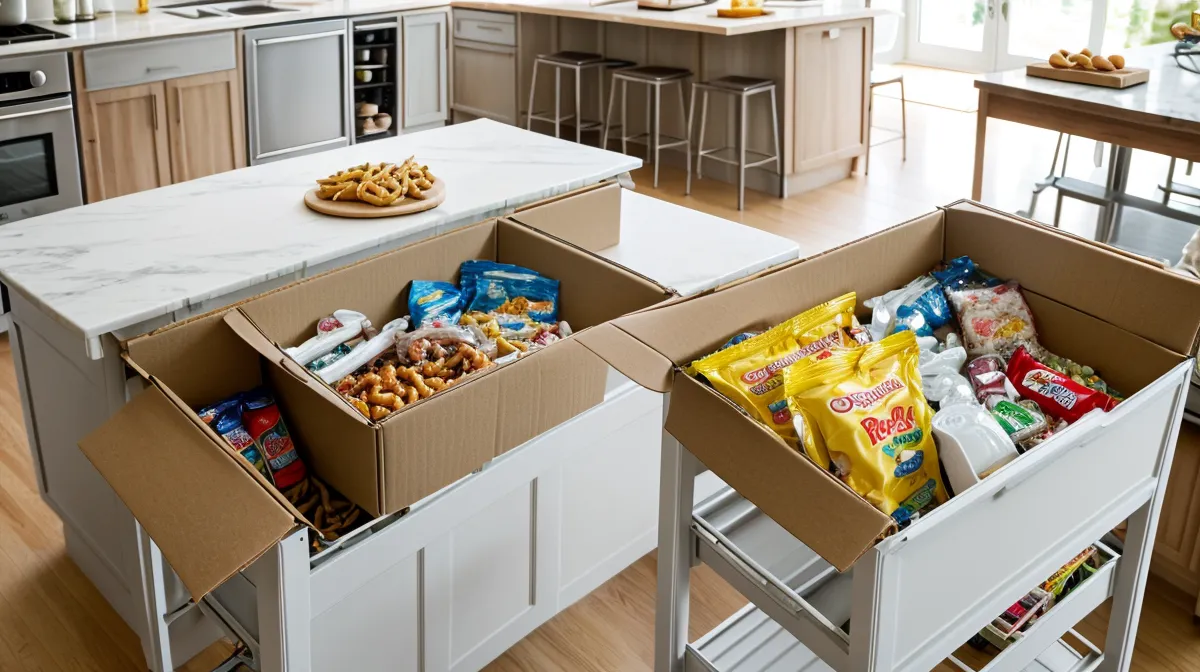
Home Chef's recipe queue holds four separate meal-kit formats in any given week, and only two of them actually solve the weeknight cooking problem that sends parents looking for a family dinner fix in the first place. That's the part most meal kit write-ups skip over: subscribing to "a meal kit" doesn't automatically kill the planning burden, because which format you pick before the Friday cutoff is what actually decides whether Tuesday goes smoothly or falls apart.
Quick disclosure before any of that: the links to Home Chef, Blue Apron, Tempo, and Thrive Market on this page are affiliate links, and ordering through one earns me a commission at no extra cost to you. I've run all four through the same chaotic rotation in our Madison house and judge each one with the same blunt pass-fail I'd give a bug report — a box either survives the rotation or it gets cut.
The Mistake Parents Make Before the First Box Even Arrives
Before any subscription box showed up on our porch, I tried batch-cooking the whole week every Sunday, which worked fine until Thursday, when the ideas ran out and every container in the fridge started looking the same regardless of what was actually inside it. Meal kits get lumped together the same way, as one undifferentiated category — a box that asks you to dice an onion and simmer a sauce gets judged against a box that asks you to slide a tray into the oven, as if both demand the same Tuesday. They don't, and mixing them up is exactly why so many parents quit after one bad box and blame the whole concept instead of the specific format they happened to land on. As a software quality assurance engineer who works hybrid from home three days a week, I'd call that a classification error, not a product failure. You're testing the wrong variable.
Weighing Home Chef against the rest of our rotation only started making sense once we stopped asking "does this meal kit work for our family" and started asking "which format inside this meal kit works for a Tuesday." Ordering the standard household serving count of 4 servings is step one. Picking the right category inside that order is the step everyone skips.
Does Every Home Chef Box Really Ask the Same Thing of You?
Inside the Home Chef portal, the weekly roster splits into four formats: oven-ready trays with foil pans and pre-chopped ingredients meant to be dumped together and baked, fast-and-fresh kits built for stovetop or microwave assembly, classic kits that still want real knife work and a watched pan, and a culinary collection with pricier cuts and techniques closer to a dinner party than a weeknight.
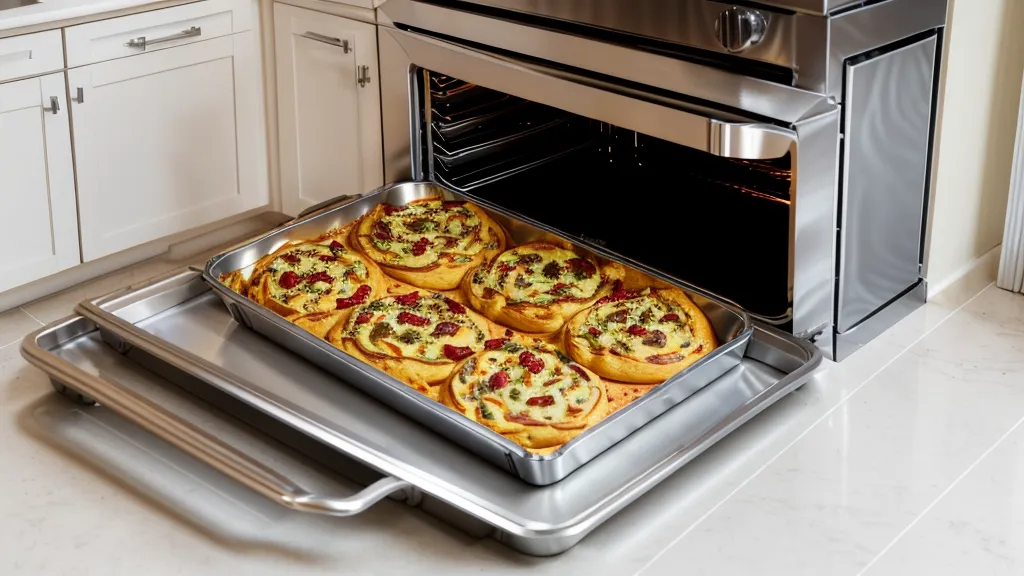
Treating all four as interchangeable is the mistake parents who hate meal planning make before the first delivery even lands — an oven-ready tray asks for maybe five minutes of active attention, while a classic kit wants the kind of pan-watching that doesn't mix well with a night when backpacks are still in the hallway and someone's crying about homework. The 30-Minute Meal Kit Myth gets into how those advertised cook times hold up once you actually time them, but the short version for family menu planning is this: filter by format first and recipe second, or you'll end up blaming the whole service for one bad classic-kit Wednesday.
The Trade-Off Nobody Puts in the Marketing Photos
Automation is the whole point, and also the whole cost. Handing curation to an algorithm or a fixed weekly menu removes the blank-page problem of standing in a grocery aisle at the end of a long day, but it also means accepting standard flavor profiles and pre-portioned sauces you can't quietly reroute. When a pork tenderloin shows up with a glaze my older kid has suddenly decided he hates, picking around it is the only option — I've watched that happen at the table more than once, bell peppers sliding off a shared tray without a word while he avoids eye contact. A fully manual grocery trip lets you swap peppers for carrots before you even check out; a subscription box hands you dinner already decided, which is the convenience you're actually paying for. Home Chef does let you swap a few proteins or sides within a given recipe before the order locks, but that's closer to picking from a short menu than rewriting the dish, and anyone expecting full customization from a meal kit — any meal kit — is measuring it against the wrong standard entirely.
Where the Convenience Still Breaks
Insulated liners and gel packs are engineered to hold perishables at or below 40 degrees Fahrenheit for up to 48 hours in transit, and through a Madison summer that packaging has done its job every time a box sat on the porch longer than planned.
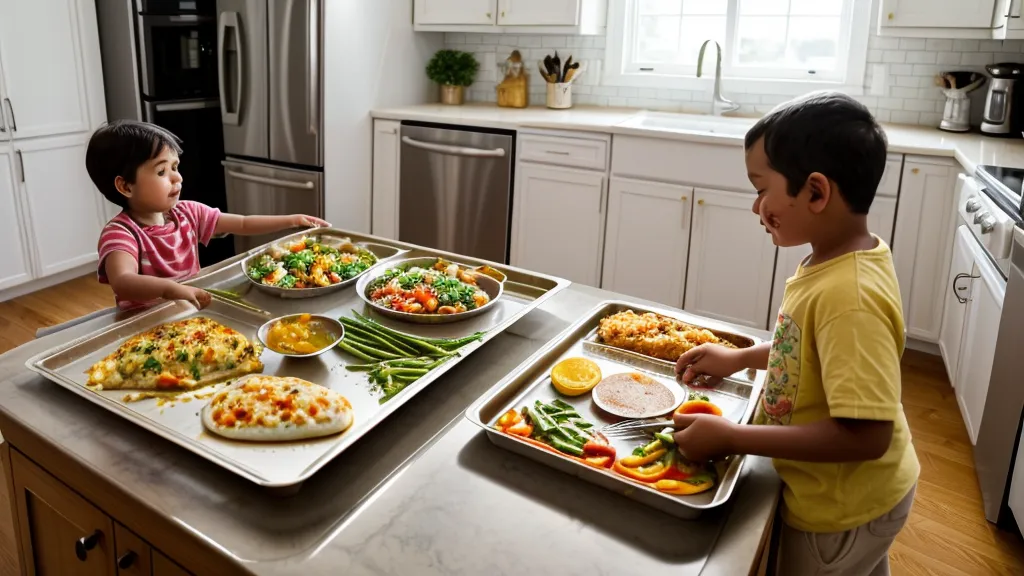
Portion math is where the system gets less forgiving. The standard four-serving count is calibrated for two adults and two younger kids, not for a household with a teenager or anyone with a bigger appetite, and an oven-ready pasta bake that looks generous in the tray can leave someone digging through the pantry for toast afterward. Home Chef from a Software QA Perspective walks through exactly how that scaling holds up against the other boxes in rotation, which is worth reading before assuming the serving count on the label matches your particular table. The order calendar is its own trap: Home Chef locks customization and skip requests five to six days before delivery, and missing that window means the algorithm defaults to your baseline profile, which is how a week with an upset-stomach kid can still end up heavy on cream sauces. Why Home Chef Won Our Family Dinner Rotation covers the calendar-management side of that if deadlines are the part you're likely to forget.
How This Stacks Up Against the Rest of the Rotation
Blue Apron is genuinely good at the opposite of what this article is about — recipe variety, technique, the kind of cooking that teaches you something. Blue Apron boxes regularly demand twenty minutes of knife work before anything touches heat, which is fine on a quiet Saturday and a real bottleneck on a night when soccer practice at Garner Park runs long and the backpacks still need unpacking. A coworker of mine, Cleo Rutkowski, is fiercely loyal to the one kit her daughter will actually finish without a negotiation, and she's not wrong to hold the line on it — more recipe variety cuts in opposite directions depending on whether your kid is adventurous or not, and that's worth weighing before assuming a bigger rotation is automatically the win.
Tempo by Home Chef solves a narrower problem. Tempo by Home Chef is single-serve, fully prepared, and ready in about four minutes with no pan to wash, which is the right call on a night when one parent is eating alone after everyone else is already down. A reader named Augustin Guerrero wrote in once asking whether that single-serve format could just replace family dinner outright for a household with kids — it can't, because Tempo isn't built for shared plates, and treating a solo microwave entree like a family meal kit is the same category error as expecting a classic Home Chef kit to behave like an oven-ready one.
Thrive Market isn't a meal kit at all, and comparing it to one misses the point of what it's for. Thrive Market is a grocery membership that fills the gap between boxes — shelf-stable snacks, lunch staples, allergy-friendly baking basics — without doing anything about the actual evening question of what to cook tonight. It gives you supplies, not a plan, and a membership like that only pays for itself if the household is already leaning on two or three kit deliveries a month to begin with.
The Rule, Not the Verdict
None of this requires running six different services at once. These days my spouse starts the rice before I've even said which box is on the counter, because the format question got settled a long time ago and stopped being a nightly negotiation. That's the actual payoff of sorting the lineup instead of judging an entire brand on one bad Wednesday. If you hate meal planning, the fix isn't picking "a meal kit" and hoping it works out; it's filtering for oven-ready or fast-and-fresh every single week, treating classic and culinary kits as the occasional weekend project instead of a Tuesday default, and tracking the skip deadline the way you'd track any other recurring bill. Home Chef earns its spot in our rotation because that filtering actually works inside its own app; Blue Apron is the better pick if the goal is learning to cook rather than surviving a weeknight; and Tempo by Home Chef is for the one person eating solo after a late call, not the whole table.
Home Chef
Pros
- ✔ Oven-ready and Fast & Fresh options cut active dinner prep to under ten minutes
- ✔ Weekly roster of twelve to fifteen recipes eliminates choice paralysis
- ✔ Disposable baking pans drastically reduce Tuesday night sink pileups
- ✔ Straightforward account skip and pause controls fit fluctuating family schedules
Cons
- ✗ Four-serving trays leave little to no room for adult leftovers
- ✗ Reduced ingredient customization compared to manual grocery shopping