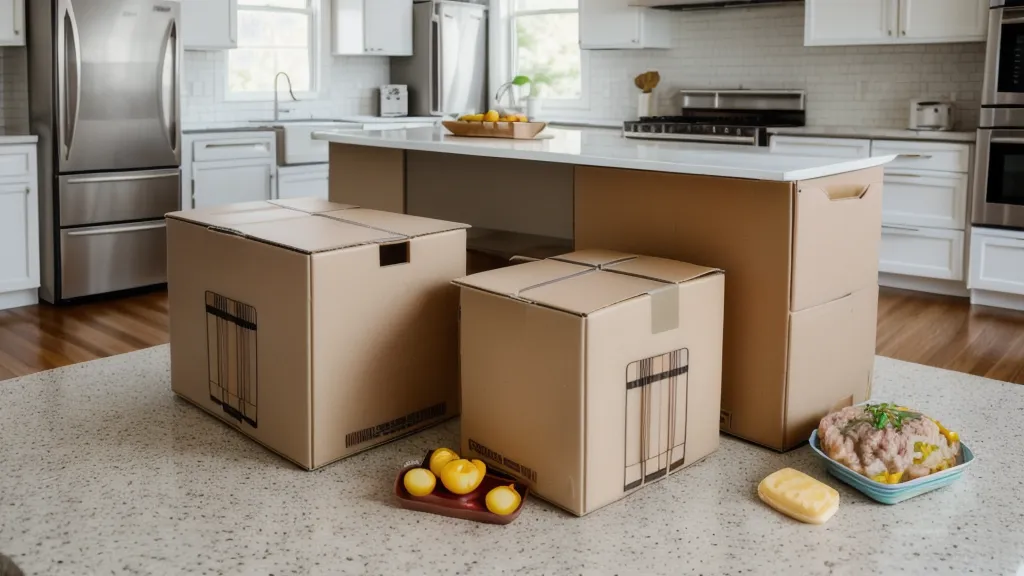
The kindergartner's nose is an inch from the sauce pouch before I've even got the box flaps fully open, and she gives it a confident thumbs up before either of us says a word. That one gesture tells me more about a meal kit comparison than any recipe card does. Three years and six services into rotating these boxes through a two-income household, I get some version of the same questions from other parents doing their own version of dinner rotation, so here are the honest answers, working mom hacks included, without the marketing gloss.
Is the 15-Minute Prep Time Ever Real?
Not even close, most weeks. As a software QA engineer, my actual job is finding the gap between what a product promises and what it does under real conditions, and a kit's "15-minute" claim is a promise I test every Tuesday. Zesting a lime while an elementary-schooler needs help with a worksheet does not fit inside a quarter hour, no matter what the card says. When a claimed time turns out to be more than double, I file it under the same category as a meeting that should have stayed an email, a process that eats the evening and calls itself efficient. Whether any one service's own time claims hold up under testing is a longer rabbit hole I've gone down elsewhere; the short version here is that six steps on a glossy card usually hides at least two steps nobody timed with a kid in the room.
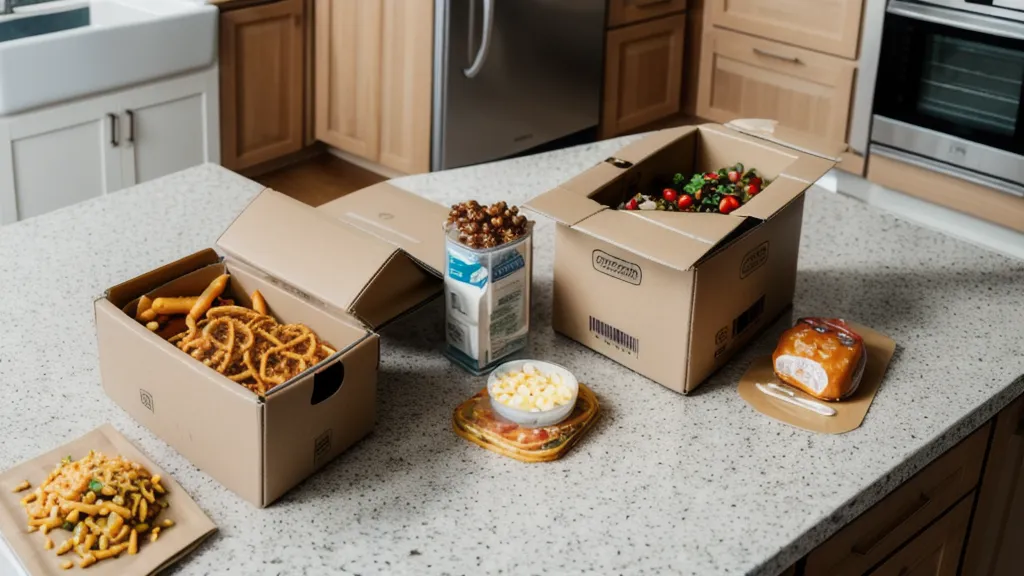
A single pan and two bowls is my real ceiling on a weeknight. Anything that adds a third pot or a broiler step on top of a stovetop step turns into negotiating with a seven-year-old about why dinner is late again, and that negotiation always costs more time than the extra step saved in flavor.
The Food Safety Math Nobody Puts on the Box
Forty degrees Fahrenheit is the number that matters here — that's the USDA's ceiling for keeping meat and dairy safe in transit, and Wisconsin weather makes it a moving target in both directions. I've opened boxes in a hard freeze where the gel packs were still solid as bricks, and opened boxes during a mild stretch where those same packs had gone soft and lukewarm, which is the one defect that makes me toss a protein rather than argue with it. The plastic liners around those packs are the bigger headache once dinner's done: Madison's recycling rules won't take them curbside, so they get dropped at a retail collection point instead, or they pile up in a corner of the garage until somebody remembers to make the trip.
What happens when a box shows up actually wrong — a warm pack, a protein that got left out of the bag — is its own topic some reviewers track in detail. For me the practical fix is just keeping a backup protein in the freezer and moving dinner forward instead of waiting on a refund email.
Pantry Staples, Hidden Costs, and the Willy Street Co-op Backup Run
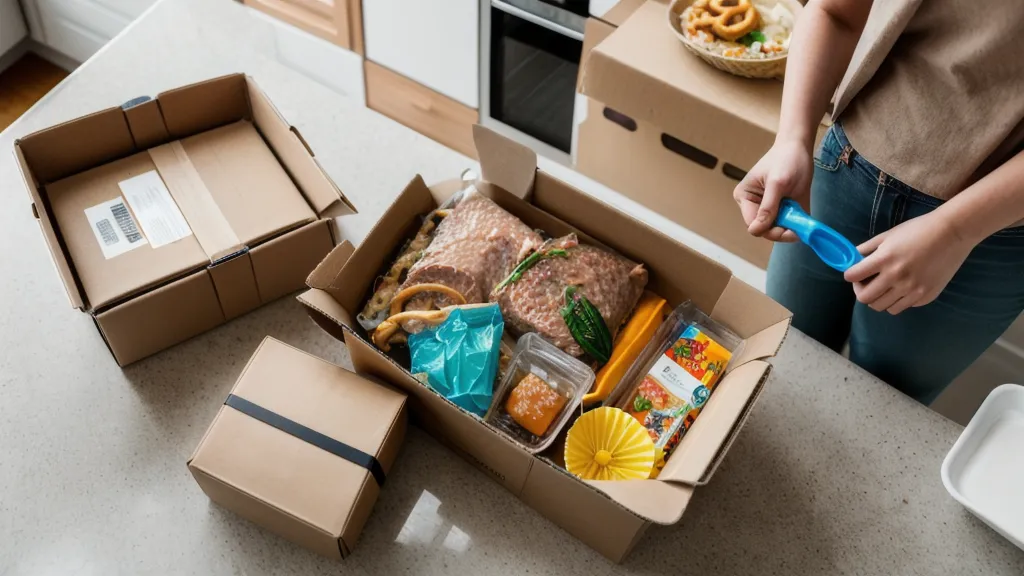
Price-per-serving is the easiest number on the page to misread. A kit can look cheaper than groceries until you're short a clove of garlic or a splash of olive oil on a Tuesday, and that gap sends you straight to Willy Street Co-op on Williamson Street for a full-sized container of something you only needed a teaspoon of. Once you count that run, the budget box and the pricier one usually land closer together than the marketing page suggests — the real comparison is a kit's price-per-serving against what the same dinner costs built from a normal grocery trip, not against some other box's listed total.
My neighbor three doors down, Dinah Sobotka, is the one who actually runs that math out loud. She measures every box against what the same meal would cost if she'd just shopped it herself at the co-op, cost per serving, no rounding in her own favor. She's also talked me out of a membership-style grocery service more than once, pointing out that a flat membership fee only pays for itself once you're using the service enough to clear that fee before you've opened a single box — otherwise you're paying twice just to buy food.
A pantry-backup habit does more for a Tuesday than any single kit does. Keeping a short list of staples on hand year-round — oil, a plain vinegar, the basic spices — turns a missing ingredient into two minutes digging through a cabinet instead of a whole detour, and it's made more difference to our weeknights than switching services ever has. I walked through the longer version of that rotation math in Between Sprints and Soccer Practice: My QA-Tested Rotation of Family Meal Kits, if you want the full breakdown.
Does Fancy Packaging Kill Your Kitchen Efficiency?
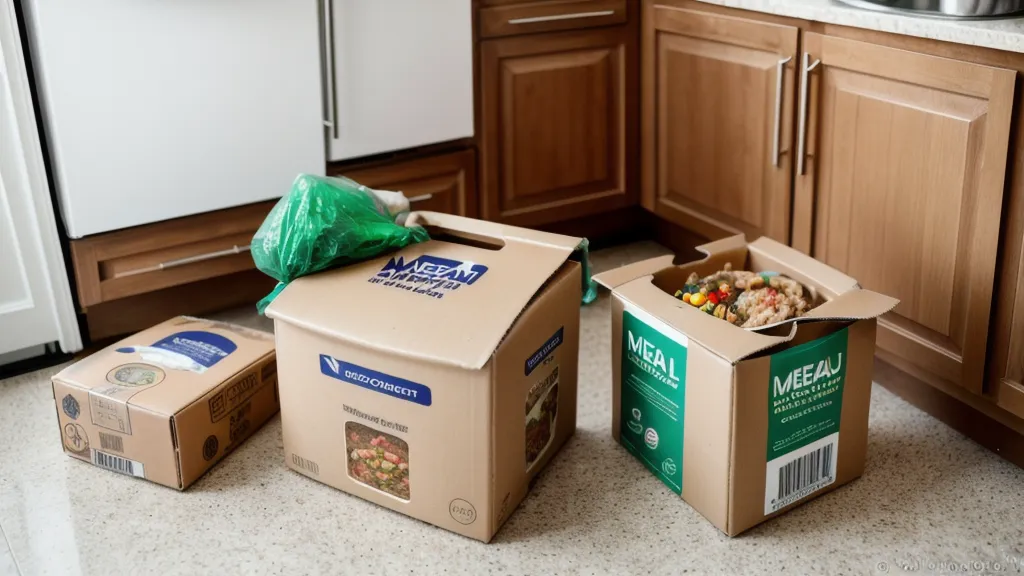
Packaging complexity and dish count move together, and the correlation is close to perfect in my experience. A box with a dozen tiny sauce jars and custom foam dividers looks great in a product photo, but it also means a dozen pieces of tiny trash to sort through before the stove even turns on, plus extra bowls that a one-pan dinner never needed. After a full day of actual software troubleshooting, kitchen efficiency isn't a nice-to-have: it's the whole point, and a "culinary experience" that needs three saucepans fails that test no matter how the food tastes.
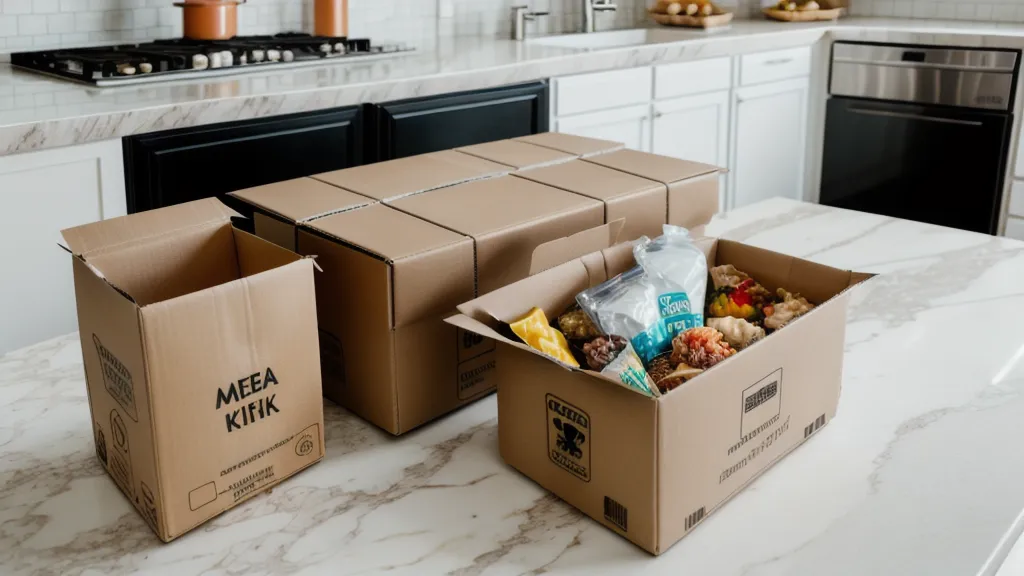
Dish count is specific enough to actually test service by service rather than guess at, and I tracked exactly that in Home Chef Cleanup Review: Which Meal Kits Have the Least Dishes? The short version: using the one-pan filter in a kit's menu search is worth doing every week, not just on the nights you're already tired.
Rotating Between Services Without Losing Your Mind
Sticking to one subscription sounds simpler, but in practice a single service rarely covers a full week of real weeknight logistics — a hybrid office day, a kid's practice, a late call that eats the hour you'd set aside to cook. Running two or three services at once and rotating them by week covers more ground than loyalty to one brand ever did, as long as somebody's actually tracking which one is paused and which one is about to ship.
My partner and I tried a shared Google Doc once, a color-coded menu for the week that both of us were supposed to keep current. We both stopped updating it within about two weeks, which taught us that a planning system only survives if updating it takes less effort than just winging it. These days the pause button inside each service's own account does that job better than any shared document did, since pausing cleanly before a trip or a slow month is the one feature that decides whether a subscription lasts past its third month in our house.
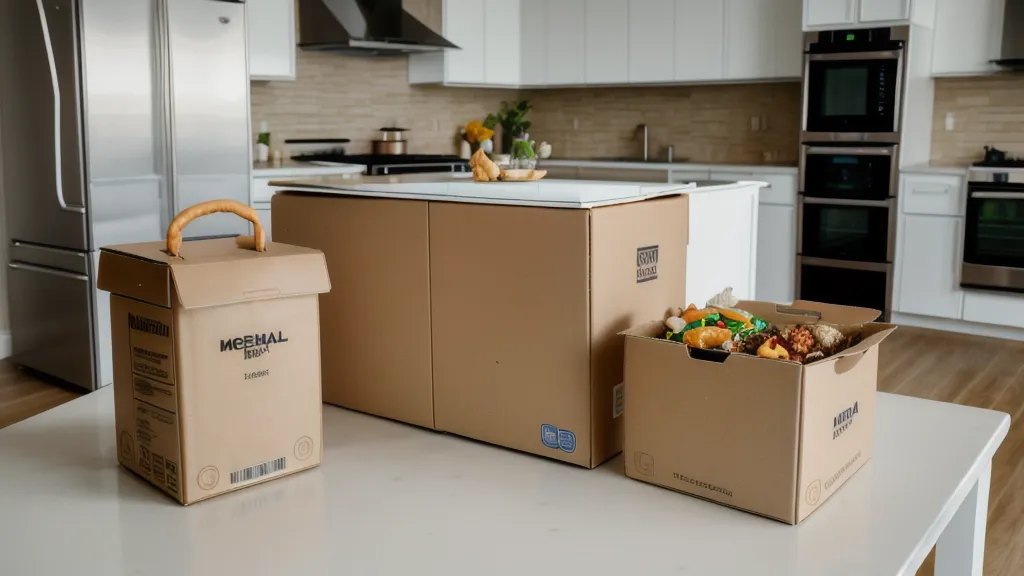
Menu fatigue is real too. Six or eight weeks into any single service, the recipe rotation starts repeating in a way kids notice before adults do, which is as good a reason as any to keep more than one subscription active and swap when a menu goes stale. Some of these services now push lunch-sized portions, and whether those hold up for a midday meal on a hybrid work day is a different question from whether they work as dinner — in our house, a dinner portion barely survives as two lunches the next day, so I wouldn't count on it stretching further.
Will Picky Eaters and Odd Portions Actually Work?
A kindergartner sniffing a sauce pouch and giving it a thumbs up before dinner's even started is about as close to a reliable signal as I've got for kid acceptance. It doesn't guarantee she'll clear the plate, but it predicts whether she'll try it without a fight, and on a Tuesday that's most of the battle. Swapping a protein or dropping a vegetable a kid has declared an enemy this week is possible through most kits' customization options, though the swap list is usually shorter than the marketing suggests, so don't count on rebuilding a whole recipe around one picky eater.
Portion sizing is the other thing nobody gets quite right. A plan built for four servings is routinely too much for a toddler who's decided to live on crackers that day and not quite enough once an elementary-schooler hits a growth spurt, so I treat the stated serving count as a rough average rather than a number to plan around exactly. Ingredient quality on arrival varies more by season than by brand in my experience — produce in a January box has looked rougher than the same vegetable in a May box more than once, and that's shipping distance in winter talking, not any single service doing a worse job.
Whether a fully prepared, just-reheat meal beats a kit you still have to assemble depends entirely on how much of "cooking" you actually want gone from the evening. A prepared meal solves the time problem completely but removes the one part of some nights that still feels like making dinner rather than just serving it, and that trade-off is personal enough that I don't think there's one right answer.
Vegetarian Nights, Snack Swaps, and the Nutrition Question
A household with even one committed vegetarian needs to check menu depth before committing to a service, since some rotations treat a vegetarian option as one box out of six rather than a real parallel menu. Ask how many vegetarian recipes actually show up across a full month, not just whether the filter exists on the website.
Snacks are where families quietly overspend without meaning to, and the honest comparison between a store brand and a name-brand kid snack usually comes down to what's actually on the ingredient list rather than the box art — the gap is smaller than people assume once you're comparing the same package size.
Nutritional balance across a week of family dinners is worth watching in a general sense — rotating proteins, not letting pasta night happen four times out of seven — but I'm not a nutritionist, and anyone with a specific dietary concern for their kid should be asking a pediatrician or registered dietitian those questions, not reading a QA engineer's dinner notes.
No Single Kit Wins the Rotation
None of this adds up to one winning service, because the winning move in our house has been the rotation itself — pausing what isn't earning its spot, swapping in whatever covers this month's schedule, and treating every claim on the box as a hypothesis to test rather than a fact to trust. If there's one habit worth copying, it's checking the pause policy before you ever place a first order, since how painlessly a subscription lets you walk away for a few weeks says more about whether it'll survive your real life than any recipe card does. My read on all of this comes from one household's rotation, not a lab, so treat it as a starting point for your own Tuesday nights rather than a verdict.