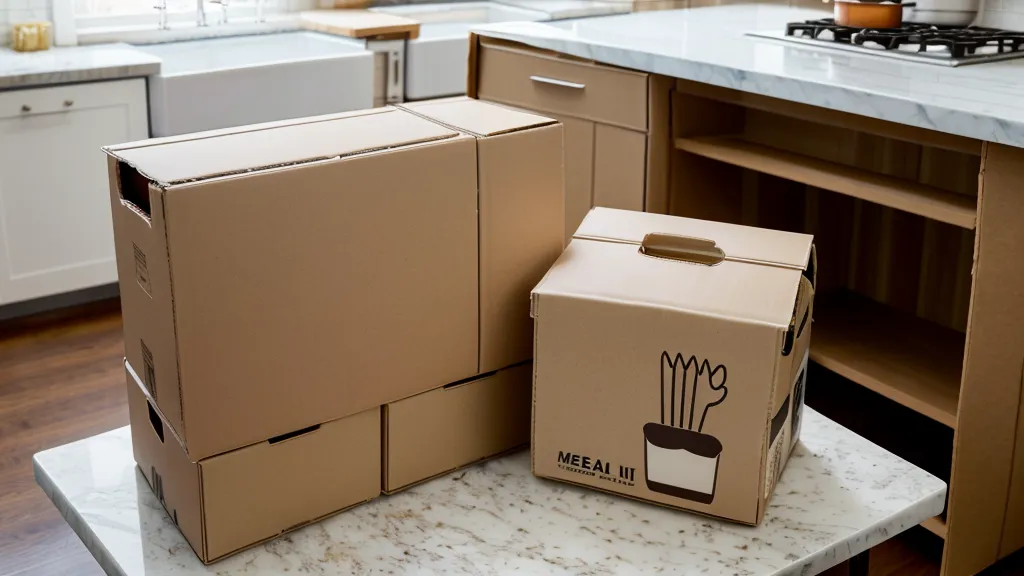
A kit that promises a thirty-minute dinner and a kit that actually delivers one in thirty minutes are two different products, and nothing exposes the gap between them faster than a Tuesday with a kindergartner already circling the pantry. This meal kit review looks specifically at Home Chef's Oven Ready line, the one corner of the rotation that has closed that gap for this house more reliably than anything marketed as a quick dinner elsewhere.
Quick disclosure up front, since this is a working-parent meal kit review and not a taste test: several links below are affiliate links, and signing up through one earns a commission at no extra cost. Blue Apron still gets used on nights that call for actually cooking something, but the tray pulled out of the fridge on a rough Tuesday is almost always Home Chef's Oven Ready line, and that split is really the whole subject here.
Home Chef's Oven Ready Line, Defined for a Real Tuesday
A tray earns the label, in this kitchen at least, when every piece inside it needs exactly one action — into the oven, into a pan, nothing left to chop, marinate, or portion separately. That's a narrower bar than "oven ready" sounds like it should be, and it's the bar Home Chef's version of the line clears more consistently than the competitors stacked next to it on a busy week.
Before switching to kits, the fallback plan was buying pre-marinated proteins from the butcher counter on the way home, which solved exactly one problem and left the sides completely unaddressed, leaving a stretch at the stove figuring out what went next to the chicken. Defeating the entire purpose that way is the reason a genuinely oven-ready tray earns more trust here than a half-measure from the meat counter ever did.
How Do You Know a Cook-Time Claim Is Real?
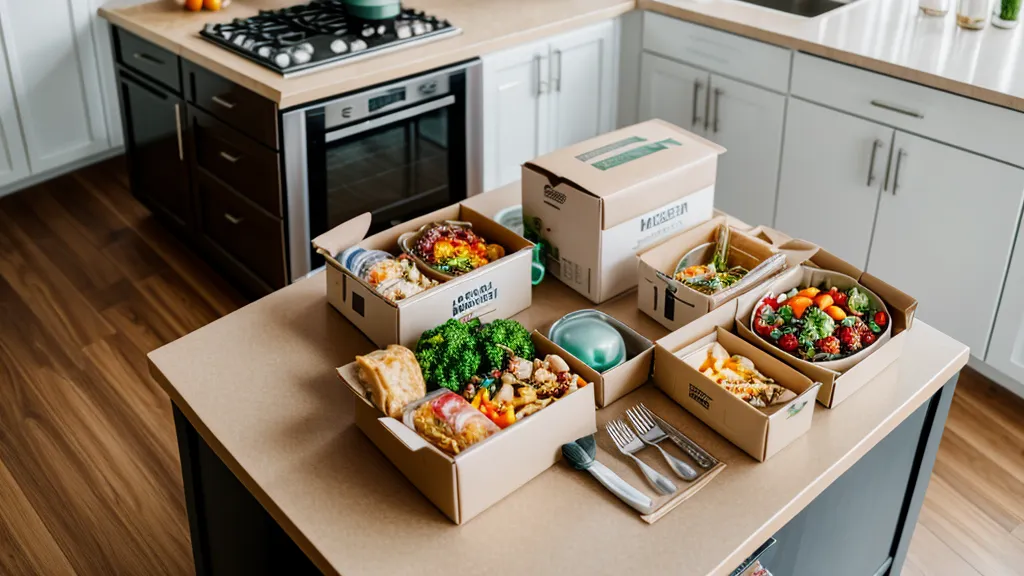
Compare the printed time against how much of it actually needs a person standing there, not the total minutes on the box. A recipe listing thirty minutes that needs someone present for all thirty is a different appliance than one listing thirty minutes that needs five, and only the second kind belongs in a weeknight rotation. The test that actually works: dump the tray contents in, note what's left over that still needs hands — a sauce to stir together, a garnish to chop — and if that leftover step runs past five minutes, the box oversold itself.
A reader named Augustin Guerrero wrote in a while back tracking this exact distinction across his own household's kits — which ones need him standing there stirring versus which ones let him walk away once the tray's in the oven — and that filter turned out more useful than any printed cook time. The clearest proof a kit has earned a permanent spot here isn't a review score at all; it's that my husband now starts the rice cooker before I've even pulled a tray out of the fridge, without either of us saying a word about it.
None of that addresses whether the food actually gets eaten, which is a separate scorecard entirely — a tray can hit every timing mark and still come back from the table half-touched. That question gets a full answer of its own in the Home Chef Family Plan Review for Picky Eaters in Kindergarten, so it stays there rather than repeating here.
Reading the Tray Before You Trust It
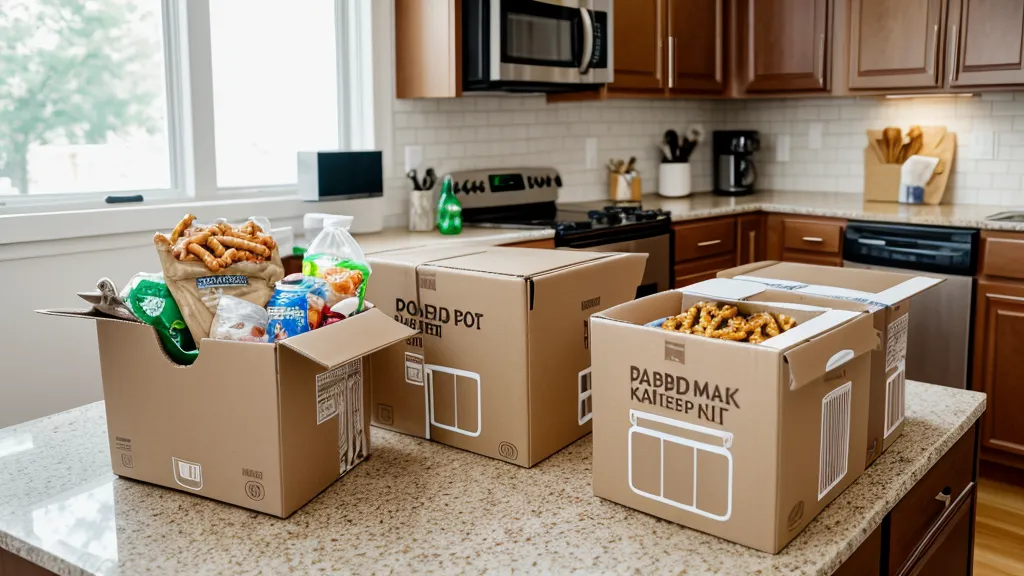
On the counter — laminate a little worn where it meets the stove, one corner tile by the fridge cracked just enough to catch a sock crossing the kitchen — the film peels back and the tray answers the real question in about two seconds: is the protein already portioned, are the vegetables already cut down to size, and is the sauce sealed in its own pouch instead of a spice packet that still needs measuring. If any one of those three is missing, budget real time instead of marketing time.
A missing ingredient still happens occasionally — a sauce pouch not sealed, a protein short by one piece — and when it does, my coworker Cleo is usually the first person I text about it, mostly because she's had a box arrive light on garlic too and always has an opinion about which company actually credits you for it.
Home Chef, Tempo, and Blue Apron: Where the Split Actually Happens
Tempo solves a narrower problem than the Oven Ready line does: built for the night nobody has the energy to preheat anything, single-serve and microwave-only, which works for whichever parent eats alone after a late call but doesn't scale cleanly to a family of four sitting down together. Tempo by Home Chef gets its own full breakdown of what that looks like across an entire week's logistics in the Tempo Meals Review for Busy Parents Working Hybrid From Home, rather than repeating it here.
Blue Apron sits at the opposite end from Tempo — recipe cards that actually teach technique, ingredients that still need trimming and seasoning by hand, and cooking times that run longer on a weeknight than the box claims once real prep gets factored in. That's a fine trade on a Friday with nowhere to be, and a bad trade on a Wednesday after soccer practice at Warner Park Community Recreation Center, when the only thing that matters is a tray going into the oven with nothing else to think about. Whether a kit counts as prepared food or a from-scratch project with better packaging sits on a spectrum, not a binary, and the standard Home Chef line lands closer to the middle of it than either the Oven Ready trays or a Blue Apron box do.
Portion accuracy is its own separate question — how closely the protein weight in a box matches what two adults and two growing kids actually need to not be hungry an hour later — and it deserves a full side-by-side rather than a passing mention here.
The three kits above still don't solve the in-between days — the snacks that disappear within a day of delivery, or the backup dinner for the week nobody wants to cook from a box at all. Thrive Market fills that gap here as a pantry backup rather than a true meal kit, since it's closer to a curated grocery order than a weeknight dinner solution on its own.
Pausing and skipping is where kits actually separate from each other in practice — Home Chef's skip window closes automatically enough that a reminder isn't needed anymore, which matters once a kit moves from every-night use to occasional rotation. How painlessly a kit lets a household pause for a week of travel is a whole separate scorecard, one that matters most for the kits that make walking away the hardest.

The Cleanup Trade That Doesn't Show Up in the Marketing Photos
Oven-ready convenience moves the work rather than removing it. There's no sauté pan to scrub, but there's baked-on sauce on an aluminum tray that needs a real scrub before it's fit for recycling, and those trays take up more trash space than a single pot ever would.
I'd still rather spend a few minutes scrubbing a tray after the kids are asleep than stand at a hot stove for twenty minutes while someone's yelling for juice, but it's worth knowing that trade exists before assuming oven-ready means dish-free. Nobody is a doctor or a dietitian in this house, so sodium levels and dairy content in pre-made sauces are questions for a pediatrician or a registered dietitian, not a QA engineer with a tray in the oven.

Is the Oven Ready Line Worth Adding to Your Rotation?
The honest verdict: the Oven Ready line isn't a health upgrade or a plating experience. Some recipes lean heavier on dairy and red meat than the photos suggest, and portions run a little tight for two adults and two growing kids. What it solves is narrower and more useful than that: a hot dinner that doesn't require standing over a stove or a chopping board on a night that's already going sideways.
For a household deciding whether to add it, Home Chef Oven Ready is the version of this kit worth starting with over the standard recipe boxes, and it holds up well past the first couple of months instead of fading into something that quietly stops getting opened. Roughly a takeout dinner cheaper than the usual Madison order, and considerably less thinking required on a night when thinking is the scarce resource; check the tray for those three things before committing: portioned protein, pre-cut vegetables, and a sealed sauce pouch instead of a spice packet to measure out.
That's the same gap tracked across a longer stretch in Testing Home Chef: A Software QA's Twelve-Week Survival Log — oven-ready meals earn credit here by coming closest to their advertised time, since there's no mise-en-place gap between tearing open the bag and getting food on the table.