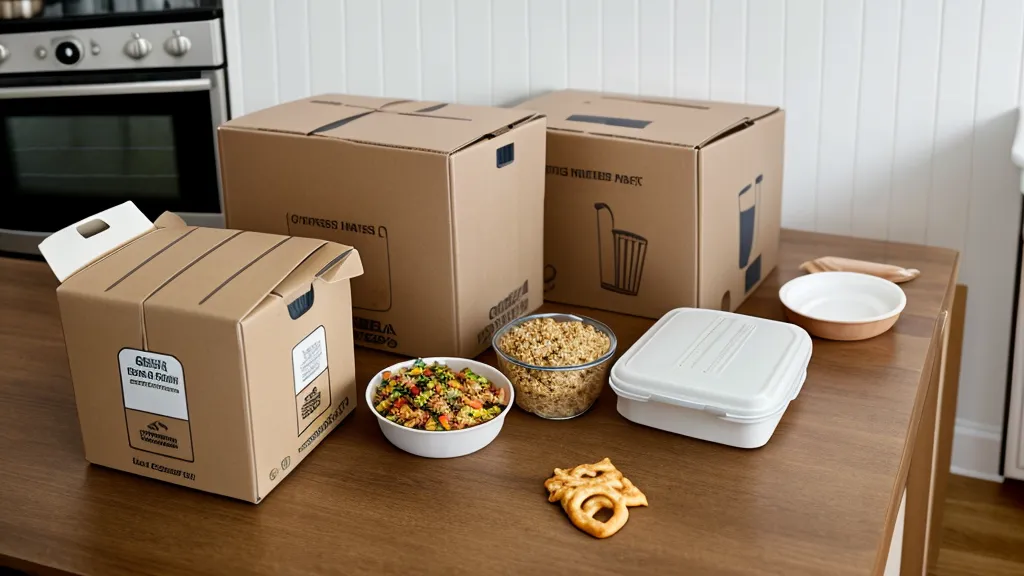
Five nights out of seven. That's how often a standing Friday pizza order — meant to be a once-a-week emergency fallback — had quietly become our actual dinner plan by the time I noticed what was happening at our house. Getting the meal kit rotation right took months, and it started with admitting that a hybrid work-life schedule on paper doesn't hand you the bandwidth to cook just because you're standing thirty feet from the stove, and that a week with both kids in soccer and ballet and a parent stuck on a late call needed something sturdier than takeout as the only family dinner solution.
Quick note before any of that: every meal kit name below links to an affiliate program, and if you sign up through one of these links I earn a commission at no extra cost to you. I've run each of these boxes through my own kitchen during the after-school scramble, and whether a subscription earned a permanent spot in the rotation or got paused and forgotten, what follows is the plain version, not the marketing version.
The Friday Pizza Order That Took Over the Week
That Friday order started innocently enough, a reward for surviving the week, placed without much thought on a night when nobody wanted to touch a stove. By the second month it had crept to Wednesdays. By the third, it was most nights, because ordering the same thing on repeat took zero decisions, and decisions were the one resource hybrid work had drained completely by the time the laptop closed. Admitting that a "system" had turned into a crutch was the uncomfortable part — I'm a software QA engineer, and watching my own household fail the same test night after night without adjusting the process bothered me more than any actual bug ever has.
Fixing it meant treating grocery logistics like a QA problem: test the same scenario across different services and see which ones held up under real conditions instead of ideal ones. My youngest had just reached the Wisconsin Kindergarten enrollment age, and between her schedule and her older sibling's, the window where dinner is still an actual sit-down meal is narrow enough that any kit failing on a Tuesday just meant a drive-thru bag on the counter. Since spring 2023, I've rotated through six different subscriptions, comparing what the box claimed against what actually happened once both kids came home starving after soccer practice at the Garner Park fields on the south side.
Home Chef Became the Backbone of the Rotation
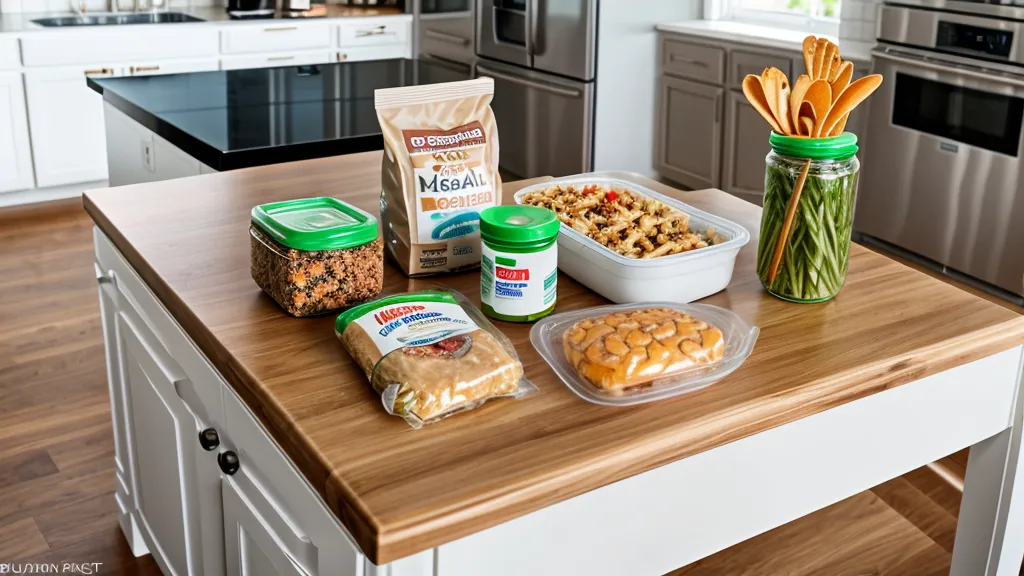
Home Chef ended up as the default, the one Home Chef box that never got fully paused even when everything else did. Twelve to fifteen recipes rotate through the weekly menu, enough variety that Sunday planning doesn't turn into twenty minutes of scrolling, and the "Fast & Fresh" and "Oven-Ready" labels are the ones I actually trust on a night when thinking is not an option. Whether the printed cook time matches the real one is its own can of worms — I broke that down box by box in Testing Home Chef: A Software QA's Twelve-Week Survival Log for Madison Weeknights, and the short version is that a "15-minute" kit is often the meeting that should have been an email.
Portions are the other side of that coin. Heat-and-eat options run a little small for two adults and two kids, and a few of the "healthy" recipes lean harder on dairy than the photo implies, which is worth knowing if anyone at your table has an aversion. Whether a "family-size" label actually stretches to feed four people the way something like Blue Apron does is a comparison I've measured out in more detail elsewhere, worth reading before you assume the portions match the marketing.
Berta — a friend from the older kid's soccer sideline, the one whose accounting brain treats every recurring charge like a line item that needs justifying — was the one who caught that Home Chef's actual skip deadline closes earlier than the reminder email makes it sound. The full mechanics of pausing and canceling a kit without missing that window belong to their own piece, not a paragraph here.
Why Tempo Wins on the Nights Nobody Has Energy Left
Tempo by Home Chef is the microwave-first sibling of the brand, and it earns its keep on the nights the hybrid commute eats the entire prep window. Four minutes from freezer to table is the whole pitch of Tempo by Home Chef, and when I'm stuck on a call past the time dinner should have started and my partner is managing a kindergarten meltdown solo, that four minutes is the difference between a workable evening and a lost one. The full mechanics of building a weeknight around a box like this — what to keep stocked, when to reorder before the freezer runs empty — are in Tempo Meals Review for Busy Parents Working Hybrid From Home.
Single-serve is the tradeoff. Tempo works for the parent eating alone once the kids are down, not for four people at the same table, and the kid-friendly menu is thinner than what you'd get from a cook-from-scratch box. Which specific recipes an actual five-year-old will eat versus abandon on the plate is its own tally I keep separately for the family-plan reviews, but the short answer for Tempo is fewer options, skewed toward what adults want.
Blue Apron Earns Its Place on Slower Nights
Blue Apron is the box for when the week has slowed down enough to actually enjoy cooking, usually a Friday when nobody's racing a clock. Blue Apron recipes run more ambitious, and the technique cards are good enough that my older kid picked up how to peel ginger properly just from reading one over my shoulder. Cook times skew long against the printed estimate on a weeknight, a pattern that shows up across from-scratch kits generally, and the bigger question of prepared trays versus from-scratch kits for a household like ours is one I've worked through in more depth elsewhere — here it's enough to say Tempo and Blue Apron sit at opposite ends of that line, with Home Chef splitting the difference.
Keeping Thrive Market as the Pantry Backup
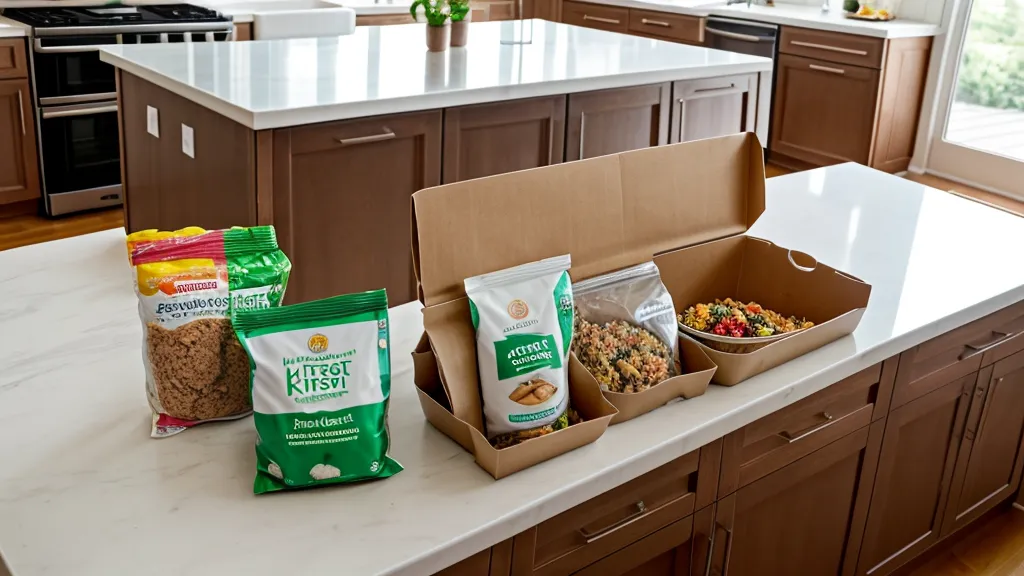
Thrive Market isn't a meal kit in the sense of a recipe card and pre-measured garlic, but it's what keeps the cereal relapse from happening when the rotation has a gap. Thrive Market works as the pantry stash — frozen entrees and shelf staples for the week a box got paused and nobody caught it in time — and the allergen filters catch things a standard grocery app misses, which matters with a picky kindergartener at the table, though none of this replaces an actual conversation with a pediatrician about specific allergies or diet needs.
Nneka Obi, a reader raising three kids in a similarly stretched two-income household, emailed after a chaotic spring break left her with two surprise charges from boxes nobody had skipped in time. She judges how demanding a kit feels only on the weeks her ten-year-old is in the kitchen helping, which reframed how I think about difficulty — a box that's a scramble solo can be genuinely manageable with a second set of hands. Her questions shaped a good chunk of Is Thrive Market Worth It for Busy Families in Wisconsin?, including the membership math for a household already paying for two or three boxes a month.
What Changed by Week Five
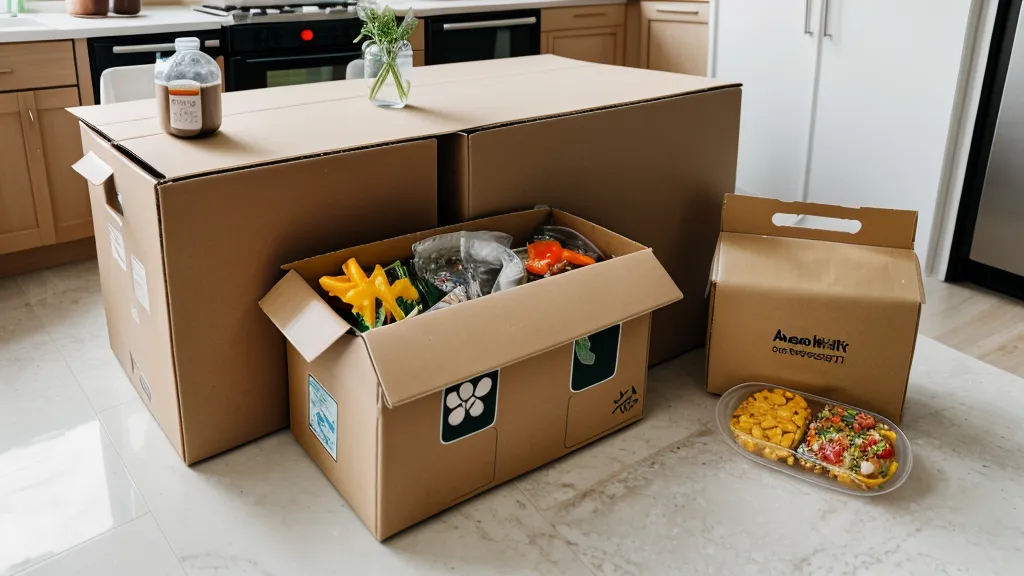
By week five of running Home Chef as the backbone with Tempo and Blue Apron layered in, dinner had a rhythm that didn't require a fresh decision every night. One Tuesday after soccer at the Garner Park fields, both kids sat down to plates that were already warm, with nobody asking where the cereal box was — the first night in months where that hadn't been the backup plan sitting in the back of my mind. That's not a dramatic turnaround; it's just what a rotation looks like once you stop treating every night as a fresh emergency.
The lesson that stuck wasn't about any single box's recipes — it was that the whole system holds together only when one kit is trusted enough to run on autopilot while the others rotate in around it. Six services in, hybrid work still doesn't hand you a perfect dinner; what it can hand you is one dependable default and permission to lean on backups without guilt. For us, Home Chef remains that default, the one box flexible enough to survive a schedule that changes every other week.
If your Tuesdays currently look like ours did that first November, start with Home Chef for the flexibility alone, and set a calendar reminder for the skip deadline before you assume the app will nag you in time. Everything else — the microwave trays, the ambitious Friday box, the pantry backup — can get layered in once that one piece is solid.