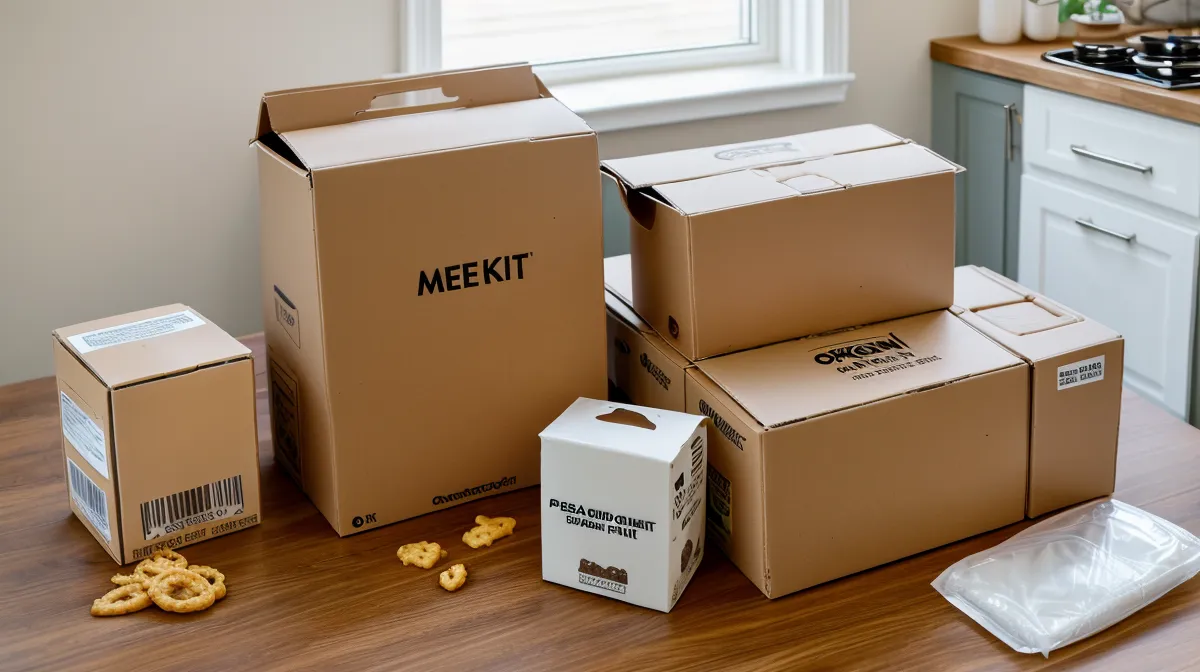
How many weeks of Home Chef deliveries does it take before a "new" box starts feeling like a rerun of three menus ago? There's no single clean number, because it depends on how narrowly you shop the catalog rather than how big the catalog actually is. Subscription fatigue on a family dinner service like Home Chef rarely comes from running out of recipes. It comes from how a real household ends up using the ones available, which is a different problem than the menu preview admits.
Home Chef structures its weekly lineup across four meal-prep formats: traditional kits that need real knife work, Express kits pitched around fifteen minutes, oven-ready Fast & Fresh trays, and a pricier Culinary Collection tier. That's the inventory. What you actually order from that inventory on a Tuesday, with the dishwasher already full and backpacks still parked by the door, is a much narrower band — and that gap between catalog size and catalog use is the entire story of long-term menu fatigue.
Home Chef's Menu Runs on a Template, Not Infinite Variety
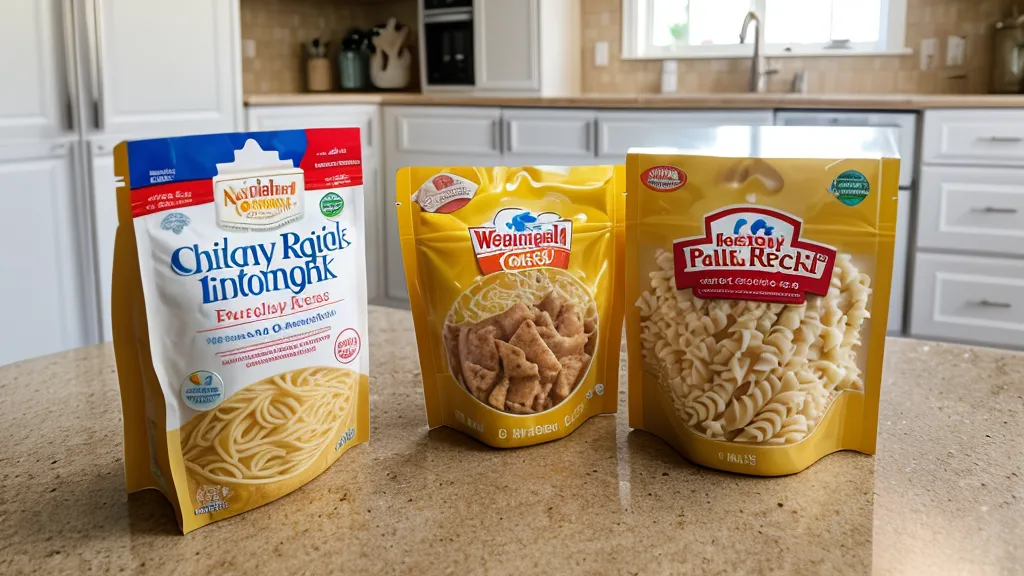
Underneath the branding, most weeks follow the same structural formula: a protein, a vegetable side, a starch, and a sauce or seasoning packet doing the actual flavor work. Swap garlic herb butter for lemon pepper, swap chicken cutlets for pork chops, and you've technically got a "new" recipe without a new technique anywhere in it. The Customize It tool adds a layer on top of that template, letting you upgrade or swap proteins on select recipes, which is genuinely useful for dodging an extra grocery run but isn't the same thing as culinary variety, as ground turkey swapped into a taco skillet you've cooked for three Tuesdays running still tastes like the same taco skillet. Portion accuracy on those swapped bags is its own separate gripe I track apart from variety, and whether the produce actually looks fresh when the box lands is yet another question that has nothing to do with how many recipe names sit on the weekly list.
There's also a seasonal layer to the catalog that moves far slower than any one household's patience. Menus typically post a few weeks ahead of delivery, and the lineup drifts with the season — flatbreads and grilled builds once the weather warms, pasta bakes and braises once it turns again. That rotation is real, but it runs on a months-long clock, not a weekly one, so it does nothing to fix the narrow band of recipes a tired parent actually selects on a Tuesday night.
Why Does a Thirty-Recipe Catalog Still Feel Repetitive?
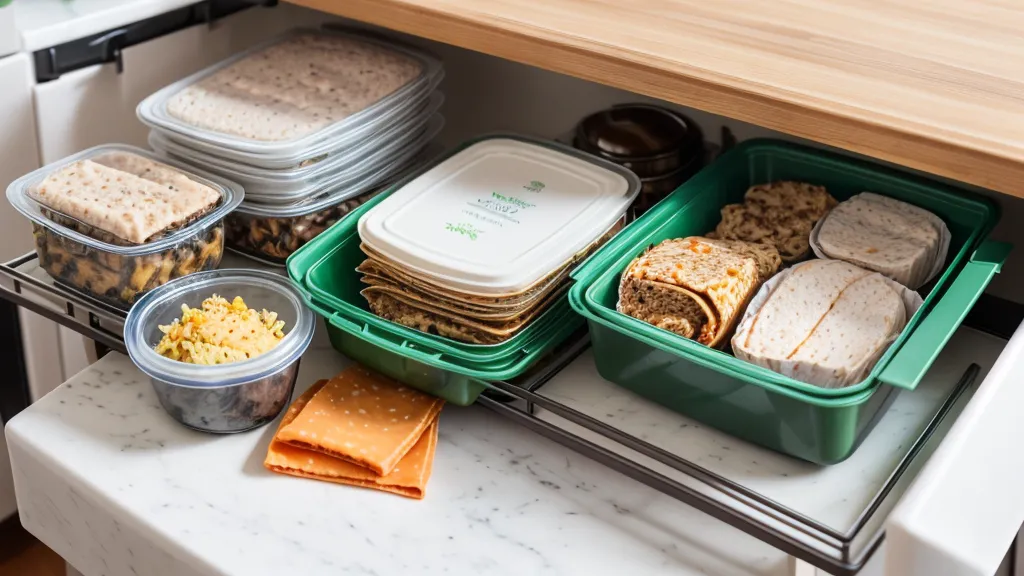
Open the upcoming menu preview with a filter for "anything under thirty minutes" already applied, and you've erased two-thirds of the catalog before reading a single ingredient list. That's the actual mechanism behind most repetition complaints, not a thin catalog, but a self-imposed filter that only ever surfaces the same handful of fast formats. Those Express kits marketed around fifteen minutes routinely ran closer to double that once you counted the real steps, though the gap between a kit's claimed cook time and its actual one is a separate audit I run elsewhere. Fitting any of this around a hybrid work schedule, where dinner prep competes with whatever meeting ran long, is its own logistics puzzle, and some of these same meals work better packed for a weekday lunch than rushed onto a dinner plate at six. None of that tells you whether a recipe actually gets eaten rather than just served, either — kid acceptance and menu variety measure two completely different things, and conflating them is how people misdiagnose why dinner turned into a negotiation. The oven-ready trays also win on cleanup, fewer pans stacked in the sink afterward, though exactly how many dishes each format leaves behind is a tally I keep on its own separate list.
If you want the fuller picture of how those prep-time compromises ripple into the actual cost of a box, I laid that out separately in Are Home Chef Family Meals Worth the Cost for Hybrid Working Moms? Balancing a fast format against what it actually costs you in effort is a trade-off worth making on purpose, not by default.
Building a Rotation Your Kids Will Actually Eat
A specific kind of relief shows up when you walk past a pair of soccer cleats still damp on the mat by the door and find dinner already plated and warm on the counter, proof that the week's picks worked without anyone having to think hard about it twice. That outcome has nothing to do with how exotic the recipe sounded and everything to do with whether it matched what the household already eats without a fight.
My neighbor three doors down, Dinah, started her own rotation about six months after we did, running a different mix of services than we do, so between her kitchen and ours we're effectively watching two separate menus age out in parallel. She's the one who texts me the second a box repeats a recipe on her within two weeks of the last one, which says dinner fatigue isn't a Home Chef-specific flaw so much as a structural feature of any subscription built on a fixed catalog.
Our kitchen isn't anything special — a laminate counter that's lost its shine in one stretch by the stove, a cracked corner tile by the fridge that's been that way longer than either kid has been in school, a rotating gallery of kid artwork taped above the microwave, and a pantry door that still won't sit flush no matter how many times my husband adjusts the hinge. None of that changes which recipes show up in the box, but it's the backdrop every one of these deliveries gets unpacked onto, cracked tile and all.
Treating all thirty-plus recipes as equally viable is how fatigue sets in. A tighter approach works better: pick four to six meal profiles your family already eats without a fight — a crispy cutlet, a mild noodle dish, something taco-shaped, an easy flatbread — and let those carry most weeks, saving a genuinely new recipe for whenever there's slack in the schedule instead of treating every Tuesday as the moment to introduce something your kindergartner has never seen on a plate. How deep a service's vegetarian lineup runs, if your household needs it, is worth checking on its own before you build a rotation around it, and the nutrition side of the plate is a conversation best had with a dietitian rather than extrapolated from a QA engineer's dinner log. Some weeks we skip the kit format entirely and lean on fully prepared trays that need no real cooking at all, which is a different trade-off than variety, convenience against the nagging sense that nobody actually cooked anything, and a pantry-backup service that covers the weeks we skip fresh delivery runs on its own rhythm that has nothing to do with whichever meal kit happens to be active that month. Whether the kids can even tell a store-brand snack from the name-brand version is a taste test for a different afternoon entirely.
Three Habits That Keep a Long-Term Subscription From Going Stale
Three habits kept our subscription from curdling into a chore. The first is auditing the upcoming menu before committing to it — most services post their lineup two to five weeks ahead, and ten minutes every couple of weeks is enough to notice when next week's picks mirror what you ate two weeks earlier, which is the cue to swap something out before the box ships rather than complaining about it after it arrives. The second is treating a pause as routine maintenance rather than a failure — how painlessly a service lets you skip a week when travel or a sick kid wrecks the schedule matters more than almost any recipe on the menu, and a service that makes pausing miserable eventually gets cancelled regardless of how good the food is. The third is using the Customize It swaps deliberately, to manage a kid who won't touch pork or a partner who's off dairy that month, instead of reaching for it chasing a novelty that was never really there to begin with.
Before any of this, we tried keeping a shared document where both of us were supposed to log what we'd cooked and flag repeats before they happened. It fell apart within the first couple of weeks, because a tired parent at nine at night is not going to open a doc and type notes about chicken thighs — the system has to live inside whatever tool is already doing the ordering, or it won't survive contact with an actual Tuesday. What worked better instead was running two services on a staggered schedule rather than babysitting one shared calendar, a rotation strategy with its own rules about timing the pause on one service against the start on another. Blue Apron wore thin on us in roughly the same way, just on its own separate clock, which suggests menu fatigue is less a Home Chef flaw than a pattern built into any subscription with a fixed catalog.
Handling an actual mistake, a missing protein bag or a box that shows up a day late, is a separate stress test from anything about menu variety, and it's worth running before you judge a service on recipes alone. What each plate actually costs once you've paused and resumed a few times is its own math problem, and whether the whole category beats a regular grocery trip is a bigger question than any single catalog can settle. A membership-style grocery service lives or dies on a completely different breakeven calculation than a weekly kit does, so comparing the two on price alone misses what each one is actually for.
None of this requires turning dinner into a research project. A long-term Home Chef subscription holds up fine once you stop expecting thirty fresh ideas a week and start treating the catalog as a logistics tool with a manageable set of reliable anchors sitting inside it. The variety was always there. It just needed a household willing to use more than the fastest third of it.
A caveat worth repeating: none of this comes from culinary training or a nutrition credential, it's a QA engineer's log of one household's dinner rotation, not a controlled study. If allergies, growth concerns, or other dietary questions apply to your kids, check the ingredient label directly and loop in your pediatrician before changing anything based on what worked at our table.