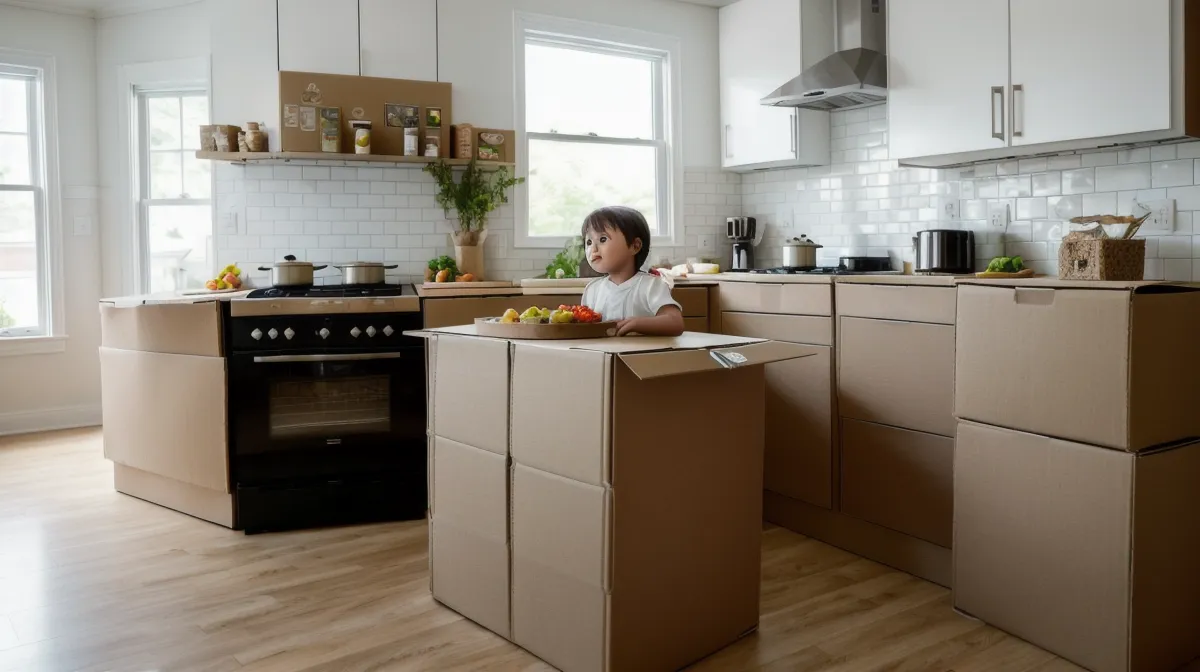
I still remember the feeling of hanging up a late client call on a Tuesday night to find my kindergartner sitting on a stool, methodically eating dry cereal while the elementary schooler tried to explain why the milk was empty. We weren’t out of food; we were just out of bandwidth. My brain was still stuck in a production environment troubleshooting session, and the kitchen was a deployment failure. That was spring 2023, and it was the night I stopped pretending I had time to meal plan and started treating our dinner rotation like a software lifecycle.
Heads up before the Tuesday-night recap rolls in: every meal kit link on this page is an affiliate link. Click one, sign up, and the kit's marketing team kicks a referral payment my way. The first-box promo a kit is currently running stays exactly whatever it is for you — going through these links doesn't add a cent to the price. I personally tested these through months of humid Wisconsin summers and snowy winters. The boxes that stopped earning their spot after a few weeks still get listed here next to the ones that survived the rotation, because the point of running this experiment was never to hide the misses. If you’re ready to stop the Tuesday cereal cycle, you can check out Home Chef’s current menu here.
The Deployment Mindset: Why a Rotation Beats a Single Subscription
As a software QA engineer here in Madison, I’ve spent my career looking for where systems break. When we started with meal kits, I realized quickly that the 'one kit fits all' model is a myth. Our family’s needs shift. Some weeks I’m hybrid from home three days, and I have the 40 minutes required to actually sear a protein. Other weeks, the deployment schedule is a nightmare, and if a meal takes more than two steps, it’s not happening. I’ve spent the last ten months — from the holiday rush of mid-December through this past humid July — rotating through services to see which ones actually hold up when soccer practice runs late.

I’m not a chef, I have no nutrition credentials, and I have zero medical training. These takes come from one household’s dinner rotation, not a clinical study. If you have specific dietary needs or are worried about your kids' nutrition, check with your pediatrician or a registered dietitian. My goal is simply to get everyone fed before the youngest is in pajamas. For us, Home Chef has become the 'stable build' of our kitchen. It’s the one we return to most often because its internal logic matches a working parent’s Tuesday. You can read more about how we handle this in my guide on Managing the School-Year Scramble.
Home Chef: The Stable Production Build
The reason Home Chef stayed in the rotation while others got 'deprecated' is the sheer variety of its weekly menu. They usually offer 12 to 15 recipes per week, which is enough to keep the elementary schooler from complaining about 'the same chicken again' without overwhelming the interface. More importantly, the logistics are predictable. When I hear the specific, heavy thud of the Home Chef box hitting the doorstep, it’s an immediate signal that I don't have to think about a grocery list for three days.
However, we have to talk about the '15-minute' claim. In my world, a 15-minute kit that actually takes 35 minutes to prep because you have to wash and chop three different vegetables is the meeting that was supposed to be an email. Home Chef’s 'Fast & Fresh' or 'Express' options are usually the most honest about their time requirements, but the standard kits often assume you have the knife skills of a line cook. When I’m trying to help with math homework while browning ground turkey, I need recipes that fit on a standard 13 by 18 inches sheet pan and stay there. Home Chef excels at these sheet-pan deployments.
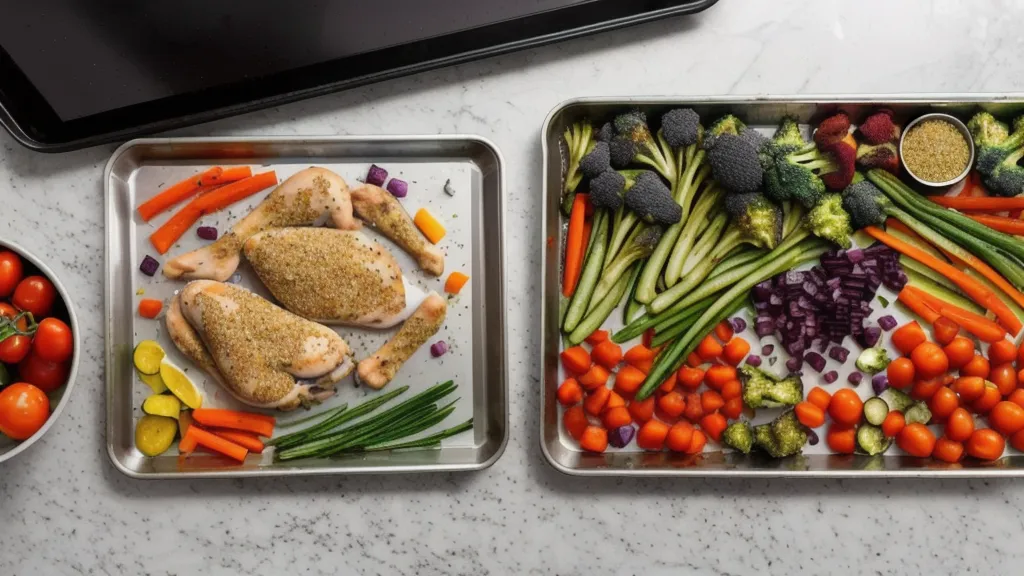
One unique thing I’ve noticed after a year of this is the customization tradeoff. Home Chef lets you swap proteins or double up on servings, which is great for picky eaters. But there’s a hidden cost: packaging volume. As customization flexibility rises, so does the amount of plastic in your bin. Every time I swap steak for chicken, it feels like I’m adding three more plastic pouches to the waste stream. It’s a direct conflict between personalization and household waste reduction that none of the marketing photos show you.
The Emergency Patches: Tempo and Thrive Market
Then there are the weeks where even a sheet-pan meal is too much. I call these 'bug-fix weeks.' This usually happens during the late August rush before school resumes or during a high-stress sprint at work. This is where Tempo by Home Chef comes in. These are microwave-first meals, and I’ve felt the immediate drop in shoulder tension when I see a Tempo label in the fridge after a nine-hour day of troubleshooting code. They are designed for an 1100 watts microwave, and they actually come out edible, which is a high bar for a four-minute dinner.
We often use Thrive Market as our version control for the pantry. It isn't a meal kit in the traditional sense, but it’s the subscription safety net that bridges the gap when I’ve paused our other boxes. If you're curious about the technical differences, you should check out my breakdown of Tempo vs Home Chef. Thrive is where we get the 'emergency' frozen entrees and snacks that keep the kids from raiding the cereal cabinet when a delivery is delayed by a Wisconsin snowstorm.
Blue Apron: The Discovery Phase (and the Shallot Incident)
We keep Blue Apron in the rotation for the rare weeks we want to feel like adults. The recipes are objectively more interesting, but they are also more 'fragile' in a high-chaos environment. Last early April, when spring sports started, I had a Blue Apron 'technique card' out on the counter. My kindergartner gave it a suspicious squint before declaring that anything with 'shallots' is legally forbidden in her bowl. Blue Apron assumes a level of palate maturity that my five-year-old simply hasn't reached yet.
There’s also the risk of 'system failure' with these more complex kits. I’ll never forget the time I forgot to hit 'pause' on Blue Apron during a long weekend away and came home to a soggy box of wilted bok choy on the porch. It was a $70 mistake that reminded me that these services require active management. If you don't have the bandwidth to manage the app, you’re better off with a simpler service. You can see how these compare in terms of logistics in my comparison of pause policies and menu sizes.

Final Review Verdict: Is Home Chef the Right Build for You?
After rotating through six services since 2023, my final take is that Home Chef is the most resilient 'production' kit for a busy family. It doesn't try to teach you how to be a chef; it tries to help you get through a Tuesday. While the packaging waste from protein customization is a legitimate frustration, the ability to pivot between a 15-minute express meal and a full sheet-pan dinner is what keeps it at the top of our rotation. It’s the only service that hasn't resulted in a 'cereal for dinner' night in over six months.
If your goal is high-end culinary discovery and you have the time to mince shallots, Blue Apron is a lovely hobby. But if you are a working parent in the thick of the school-year scramble, Home Chef is the infrastructure you actually need. It’s the stable build that keeps the kitchen running while you’re busy fixing bugs elsewhere in your life. If you’re ready to stop the evening chaos, you can start your Home Chef rotation here.
Home Chef
Pros
- ✔ Consistent 12 to 15 recipe weekly variety
- ✔ Reliable 'Fast & Fresh' options for actual 15-minute prep
- ✔ Protein customization works for picky elementary schoolers
- ✔ Best-in-class app for pausing and skipping weeks
Cons
- ✗ Customization leads to significant plastic packaging waste
- ✗ Standard prep times assume professional-level knife skills