
A meal kit that works on a calm Sunday and a meal kit that works on a Tuesday with two late client calls are two different products, and I only keep paying for the second kind. That's the idea behind my meal kit testing: I run each box the way I'd run a release at work, hunting for the spot where it breaks instead of admiring the glossy photo. After six services, the pass-fail list for our family dinner logistics is short. The cook time has to match the clock, the box has to survive the porch, and the skip button has to work before the cutoff. Everything else about subscription management is decoration.
None of this is a lab result. It's one household's notes on getting through the week — late calls, soccer cleats gone missing, a kindergarten email about 'Dress Like a Penguin Day' the night before — without reaching for another emergency dinner.
Meal Kit Testing Starts With Tuesday, Not Sunday
The '15-minute' kit that really takes 35 is the meeting that was supposed to be an email. On a calm Sunday, with nobody asking for a snack, I can chop through that gap and never notice it. On a Tuesday, the same kit eats the only window I have between the last client call and the kindergartner's bath. Same recipe, same ingredients, opposite verdict, so the Tuesday run is the only one I trust.
Most of the recipe cards I get run to about 6 numbered steps, but step count tells you very little about the workload. The number that matters is the prep-to-sink ratio: how many bowls, boards, and pans one dinner asks me to wash.
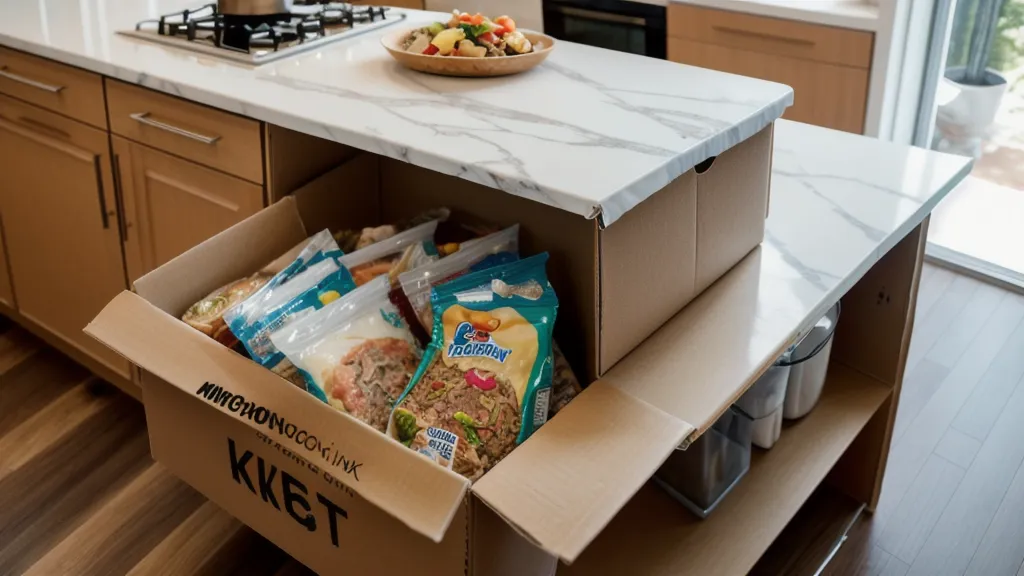
A 'one-pot' pasta showed me how far that ratio can slip. It wanted a sauce whisked in one bowl, lemon zest in a second, and a garnish in a third. By the time the pasta hit the water, I'd doubled the cleanup I had no time for, and the pile in the sink mocked the whole idea of a quick weeknight dinner. I wrote up that kind of sink math in Home Chef Cleanup Review: Which Meal Kits Have the Least Dishes?, because the sink doesn't lie.
Steam is the other test. Once the pot is boiling, the card I've propped near the stove clouds over and step four turns into a smear. If the print is too small to read from a stirring arm's length away, that's a design bug, and no amount of good seasoning fixes it.
Does the Box Survive the Porch?
Madison hands every box two different tests. In late February it sits in a snowbank, and by July it bakes on the porch. The snowbank run rarely worries me. The July run is where the packaging matters more than the seasoning on the pork chops.
Last July gave me a clean side-by-side. One service's box sat on my porch for four hours during a heatwave delay, and when I finally dragged it inside, the chicken still felt properly cold. Another service's gel packs were already sweating through the foam liner when the box landed on the step. Same weather, different outcome — and that gap tells me more than any recipe list does.
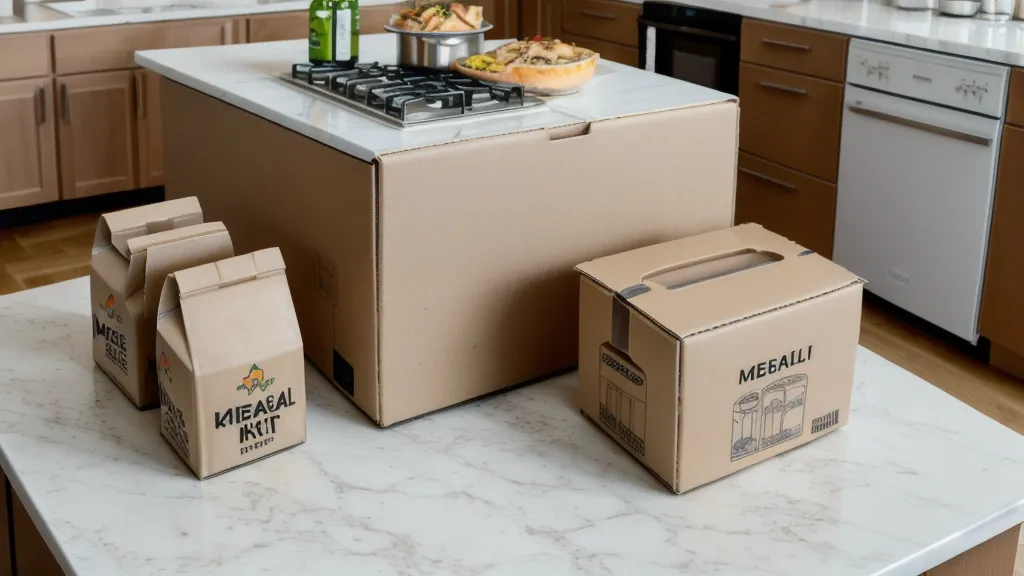
I'm not a doctor or a nutritionist; I'm a QA engineer who works from home three days a week and doesn't want to make her kids sick. My house rule is personal, not medical advice: if the gel pack has turned to liquid and the meat feels like it's been sitting out, the box goes in the bin, whatever it cost. If you're unsure about a specific box, ask your pediatrician or another qualified professional before serving it.
Cheaper Plate vs. Cooked Plate: Where the Money Goes
Price per serving is the easiest number to compare, and the cheaper option always looks great on paper. Most of the kits I've ordered come in 2 or 4 serving sizes, and the math on the low end is tempting. But a low price only counts if the plate gets cooked.
When I'm tired, a kit that needs forty minutes of fine dicing stays in the fridge until the cilantro turns into a green puddle. Then we cave and order pricey, mediocre takeout because nobody can face the chopping board. I've tried the opposite fix, too: a standing Friday pizza order as the emergency fallback. It quietly became every night, and it never solved the real problem, which was a dinner nobody had the energy to make.
A slightly pricier kit that delivers on its quick-prep promise is insurance against all of that. Paying extra for pre-chopped vegetables or pre-made sauces feels like a luxury until you count the box you didn't cook plus the takeout you ordered instead. The clearest pass I've logged was a Tuesday when my older kid had cleared his broccoli before I'd finished carrying the pan to the table and then asked for a second helping.
That's why I stay ruthless with our QA Engineer's Rotation, pausing and resuming based on which services ship reliable ingredients. Wilted greens three weeks in a row and a service is out of the sprint. I have no loyalty to a box that doesn't respect my time.
Subscription Management Comes Down to the Skip Button
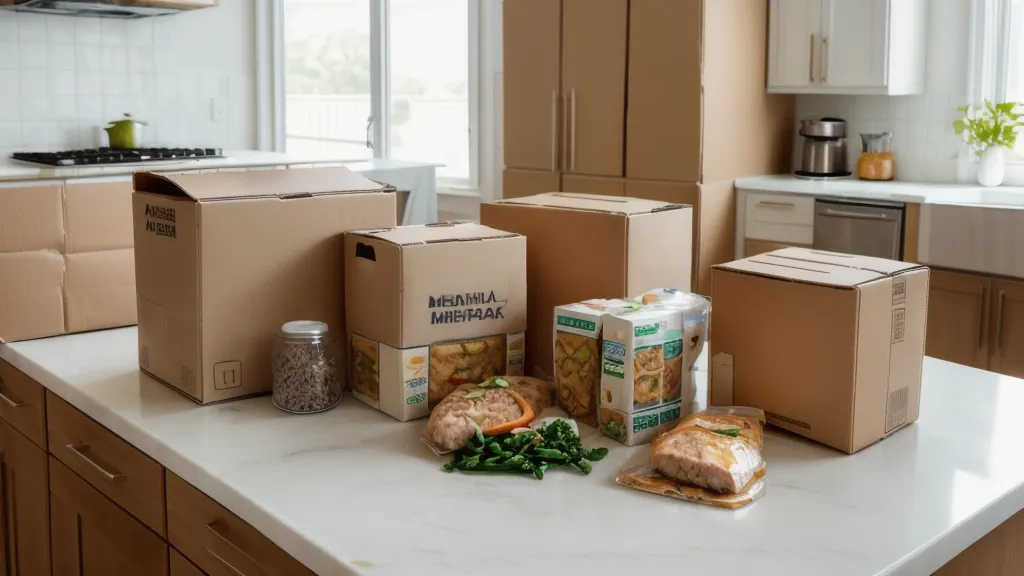
The best subscription in my rotation isn't the one with the most exotic spices. It's the one with sturdy packaging and a skip button that works when I press it.
One glitchy app proved the point. I couldn't pause it before a long weekend, so a box of produce rotted on our step while we spent the whole weekend at the Warner Park Community Recreation Center for soccer games. That bug costs real money, and no discount code makes up for it.
Skip cutoffs in my rotation have usually landed five to seven days before delivery, which means predicting the chaos a week out. That's a lot to ask of a family whose schedule changes by the hour. Berta Prendergast, who stands beside me on the soccer sideline, treats the question like a billing audit — which day is the cutoff, did the skip actually go through, where's the confirmation email.
Kindergarten bedtime is a high-latency environment. I want meals I can pause mid-cook when someone spills a glass of milk, and ingredients that still look fine on Friday if Wednesday fell apart.
Match the Kit to Your Week
Choose the cheaper, more hands-on kit when your week is predictable: you're home at a set time, nobody is stuck on a late call, and you can absorb a 35-minute cook without the schedule cracking. Choose the pricier, prepped kit when calls run long and cereal at the counter is a real risk, because then you're paying for a dinner that actually gets cooked.
Whichever way you lean, run the same three checks before you commit. Does the cook time survive a Tuesday? Does the box survive the porch? Does the skip work before the cutoff?
If you're building your own testing cycle, my Managing the School-Year Scramble post shows how I set mine up.
A meal kit isn't a miracle; it's a tool, and every tool has failure points. I'll keep testing every box that lands on my Madison porch, because as long as the client calls keep running late, I need a dinner plan as unsentimental and efficient as my favorite piece of code.