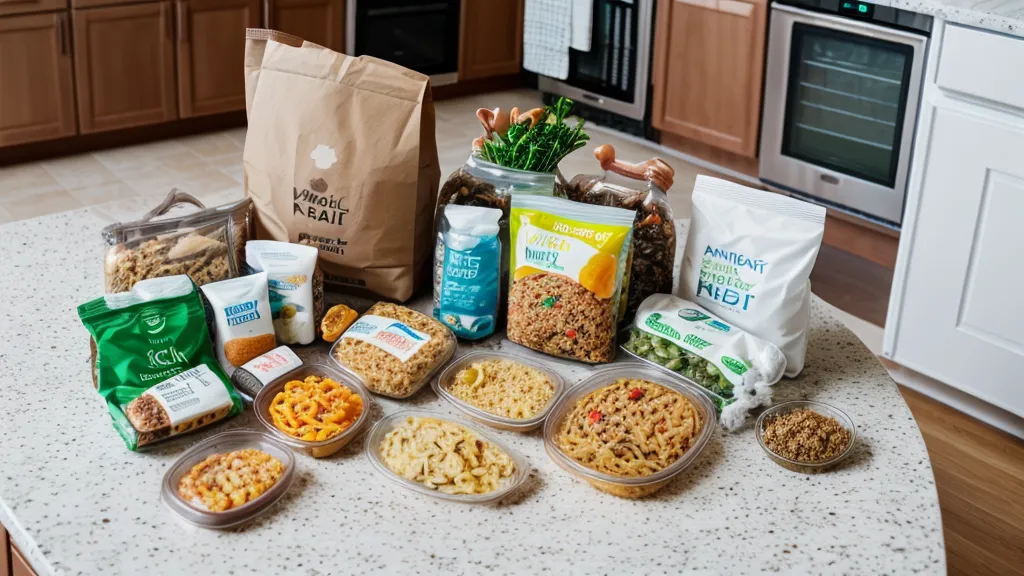
A fifteen-minute recipe card and a forty-minute Tuesday are not the same document. That gap is the whole reason this kitchen has rotated through six different meal kit subscriptions instead of settling on one, and it's the question other parents stuck in their own busy-parent-hacks spiral ask me more than any other: does any of this actually survive a real dinner workflow, or just a photographed one? Short answer: yes, some of it does, but only once you stop grading a kit by the copy on the box and start grading it by what's left of your evening once the dishes are done.
I test software for a living, which means I spend my working hours hunting for the exact conditions that break a system — a double-click, a slow server, a field left blank. Dinner on a weeknight with a kid in kindergarten and another in elementary school turns out to be the same kind of environment: plenty of edge cases, very little patience for a recipe that assumes a quiet kitchen and a sous chef standing by. None of the kits in this rotation get judged against a cooking show. They get judged against a Tuesday.
What a Realistic Dinner Workflow Actually Looks Like on a Tuesday
Printed cook times are a marketing metric, not a promise. The fifteen-minute kit is reliably the meeting that should have been an email, stretched by the five minutes spent hunting for a clean cutting board and the five more spent negotiating why ice cream doesn't count as an appetizer. The number that actually matters isn't the one on the card, it's the pan count and the number of specialty steps hiding behind it. A kit built around one pan and one cutting board survives a Tuesday. A kit that wants a zester, a second skillet, and a reduction sauce gets skipped the first time the evening runs long, and in this house the evening almost always runs long.
A recipe card can tell you the serving size without telling you whether its steps are sequenced for a parent working with one eye on a laptop. Family-of-four portions on paper usually hold up by the time plates hit the table, but the real test is whether the instructions let you prep everything first and cook everything second — a sequence that forgives a sudden question about homework far better than a kit that demands constant attention from start to finish.
Does Rotating Kits Fix the Sameness Problem, or Just Hide It?
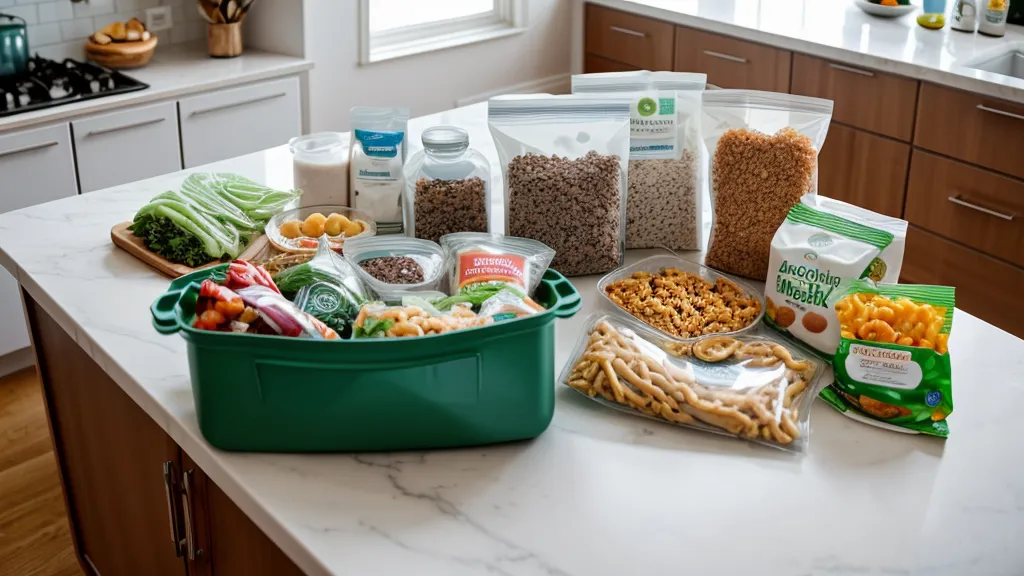
Repetition turned out to be the real enemy, not the gap between the box and the photo on it. Early on, the fix I tried was picking five dependable dinners and cycling through them on a loop so nobody had to think about it — chicken thighs one week, the same stir-fry base the next, round and round. It worked for about as long as it took everyone to notice the pattern. Within a month, rotation night had turned into the night everyone groaned at the menu before it was even cooked, which is a worse outcome than the decision fatigue it was supposed to solve.
Swapping between different services solved more of that than swapping recipes within one service ever did, since each kit draws from its own roster of chefs and cuisines instead of cycling the same handful of proteins. Dinah, the neighbor three doors down, runs her own version of this same experiment through a different set of subscriptions, and she's the one who texts me the moment a kit repeats a recipe inside of two weeks — between the two households, that's a wider sample than either of us gets alone. I get into the specific mechanics of juggling that many subscriptions without losing track of delivery dates in Rotation Logic: How I Manage Six Meal Kit Subscriptions Without Losing My Mind, if the logistics side of this is what you're actually after. The usable rule on its own: if a single kit repeats a protein or a sauce base within a three-week stretch, that's the signal to pause it and bring in a different service, not to just skip a week and hope the algorithm notices.
Portions, Picky Eaters, and the Cleanup Question
Stated serving sizes are a floor, not a guarantee, especially once an elementary-age kid starts eating like a teenager some nights and like a bird on others. Treating "serves four" as the minimum rather than the target has saved more than one dinner from turning into a round of finishing each other's plates. Some kits let you swap a protein or a side at checkout before the box even ships, which matters more than it sounds like it should when the kindergartner currently rejects anything green and the older kid currently rejects onions, having apparently forgotten liking them the day before.
Cleanup is where the one-pan kits earn their keep. A kit cooked entirely in a single skillet gets the kitchen clear well before bath time starts, while a kit that uses three pots and a sheet pan turns dinner into its own small chore list after the plates are already empty. If I'm judging a new kit on anything beyond taste, it's dish count — fewer dishes left in the sink means more of the evening left for something other than the sink. Checking that chicken actually reaches a safe temperature before it lands on a kindergartner's plate isn't optional, kit or no kit — a thermometer riding in the apron pocket is a habit left over from a job built on verifying things before they ship, not a cooking show flourish.
Can You Actually Pause a Box Before the Week Falls Apart?
Pausing is the feature that decides whether a subscription survives a busy month, and most services need the change logged five to seven days ahead of the delivery date, not the night before. Miss that window once — because a swim lesson at Warner Park Community Recreation Center got added to the calendar and nobody checked it against the delivery schedule — and a box shows up on a week that's already overcommitted, which is exactly how a subscription turns into clutter instead of dinner.
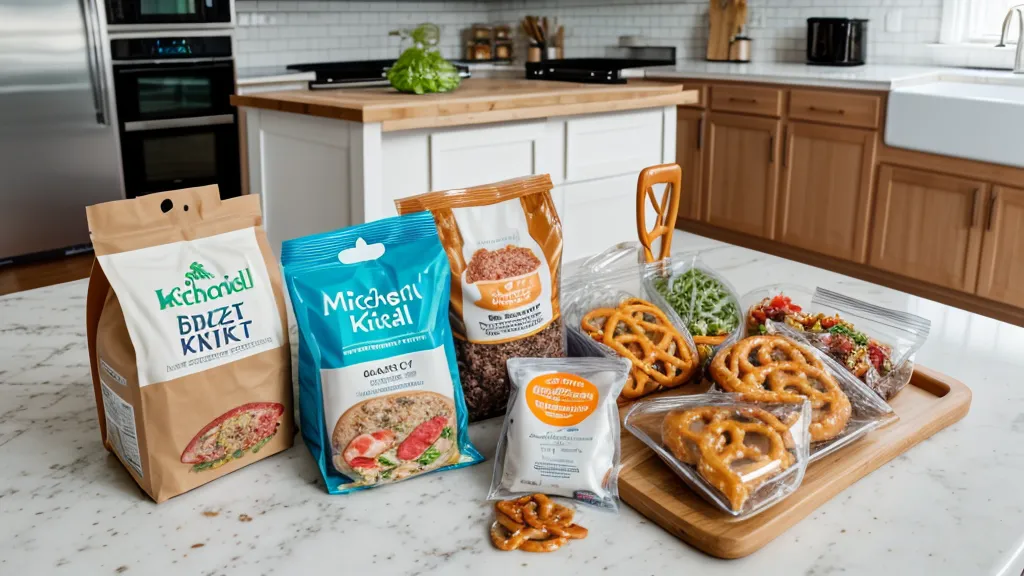
Insulation and ice packs matter less than the lead time does. A box sitting too long on a doorstep in a Wisconsin winter is a real problem, but it's a smaller one than a box arriving during a week nobody planned around in the first place. The rule that's actually useful: put the pause decision on the same recurring day you already use to look at the week ahead, instead of letting it compete as a separate task against everything else. For the longer version of how four of these services specifically held up across a full year of this, The Tuesday Night QA: A Madison Mom's Year Rotating Through Four Meal Services goes deeper than this one does.
Is Any of This Actually Cheaper Than Groceries?
Cost comparisons only mean something against what you'd have actually done otherwise, not against an idealized grocery run that assumes nobody's tired. Against a real week where exhaustion means picking up takeout twice, the better kits land close to even, maybe a touch ahead — closer to a takeout dinner cheaper across a month than any dramatic savings. Against a week where someone actually has time to plan and shop with a list, groceries usually win outright, because the premium on pre-portioned ingredients is real and it doesn't disappear just because the box looks convenient.
Membership-style grocery options occupy a different lane entirely — useful as a pantry backup for the weeks a kit gets paused, less useful as the main plan, since stocking a pantry and planning a dinner solve different problems. The honest comparison isn't kit versus grocery store, it's kit versus the specific week you're actually having, and that answer changes more often than any single review admits.
What I Tell People Who Ask If It's Worth It
Worth it depends entirely on which Tuesday you're comparing against. A household already confident with batch-cooked staples and comfortable making its own decisions probably doesn't need the box — a tray of roasted chicken thighs and broccoli is faster and dirties fewer dishes than any kit, every time, if you're cooking for one or two. A household where the evening is already stacked with practices, late calls, and two kids on two different schedules gets more out of the box than the marketing photo ever shows, because what it's actually selling is a decision already made, not a meal.
The night that actually told me a kit was working wasn't a good recipe or a tidy plate for a photo — it was just four people at the table and not one cereal box pulled out of the pantry as a backup plan. That's a low bar on purpose. Some weeks it's the only one that matters.
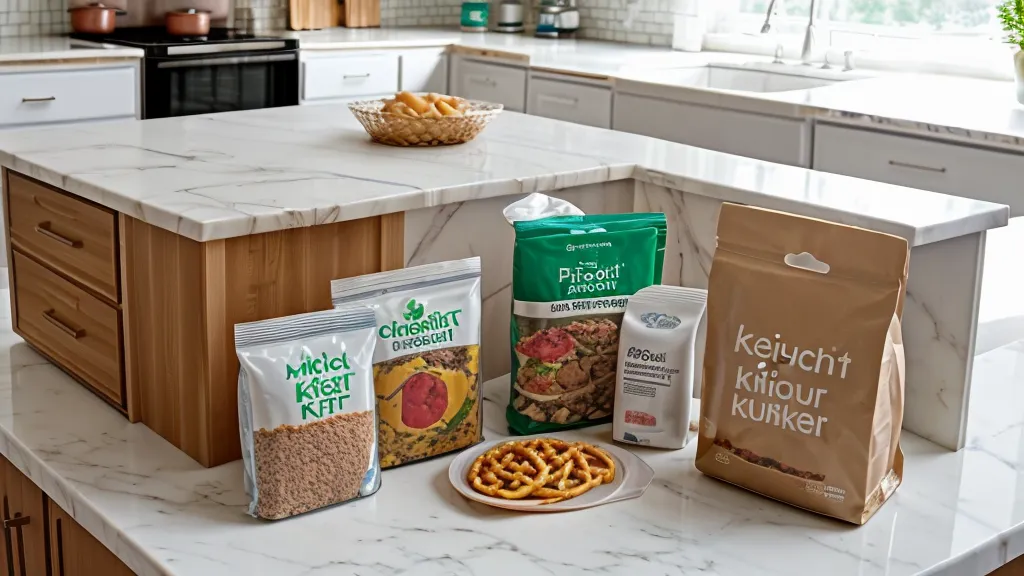
None of this comes from a lab or a spreadsheet anyone else could audit — it's one Madison kitchen's rotation, tracked the same way I'd track a recurring bug report, by what kept breaking and what quietly stopped. Judge any kit the same way before committing to a subscription: by the pan count, the pause window, and whether it survives a Tuesday that's already going sideways before the box is even opened.