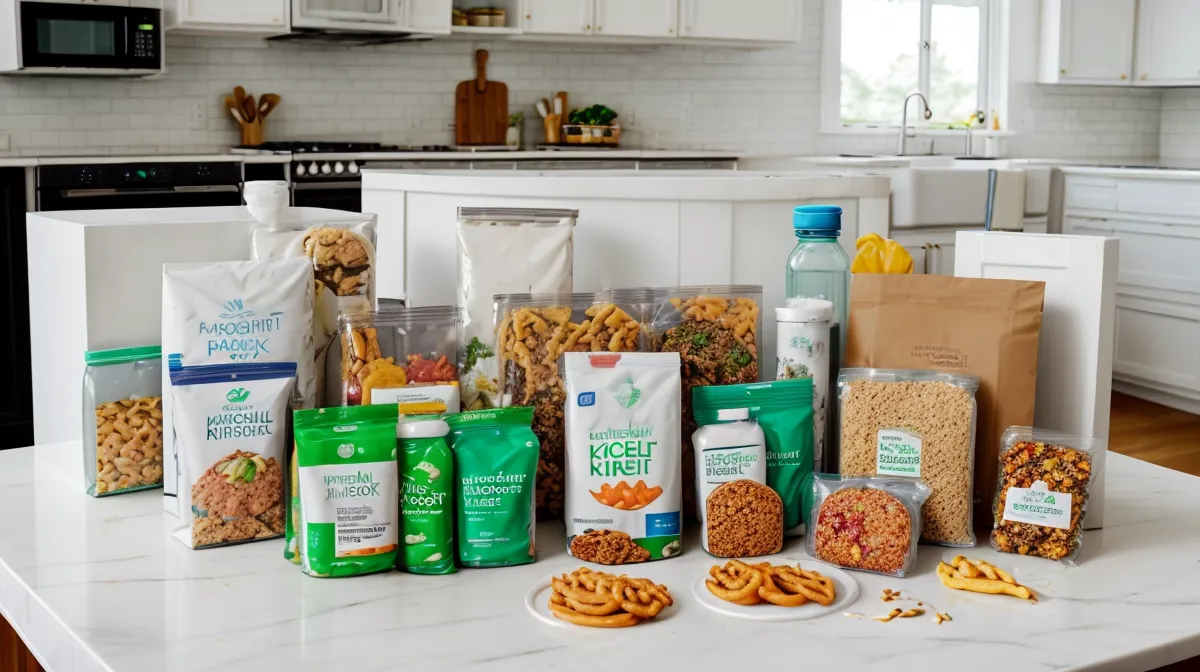
One evening last autumn, I was staring at a bug report while my kindergartner tried to convince me that a bowl of dry cereal was a balanced meal. The hybrid work-from-home dream felt more like a logistical nightmare in my Madison kitchen—one where the client calls ran long and my fridge was a graveyard of limp celery. That was the night I realized our 'from-scratch' purist phase was dead. Since then, I’ve rotated through six different services to find vegetarian options that don’t result in the kids picking out every green fleck.
Heads up before we get into the logistics: every meal kit link on this page is an affiliate link. If you sign up through one, the kit’s marketing team kicks a commission my way, though it costs you exactly the same. I’ve personally cooked every box mentioned here through the real-world chaos of soccer practice and bath times, and I’m keeping the misses in the list because an honest Tuesday night recap doesn't have a highlight reel. Just so we are clear, I am not a chef or a nutritionist; I’m a QA engineer who treats dinner like a deployment. I have zero medical training, so you should definitely check with your pediatrician before overhauling what your younger eaters are consuming.
The Blue Apron Experiment: More Than Just Tofu
When I first signed up for Blue Apron during a snowy evening in mid-January, I was looking for a 'teaching tool' for my older child. Most vegetarian kits rely heavily on tofu or starchy filler, but this felt different. The recipes are sophisticated—sometimes too sophisticated for a 5:30 PM deadline—but they come with these sturdy, 2-sided recipe cards that my elementary-schooler actually started reading. He liked 'managing' the steps while I handled the heat.
However, my QA brain has to flag the '15-minute' prep claims. In our kitchen, a 15-minute Blue Apron kit is the meeting that was supposed to be an email—it’s actually a 35-minute ordeal once you factor in the kid who suddenly needs help finding a specific LEGO piece or the youngest declaring he hates onions midway through the sauté. The sophistication is a double-edged sword; while the variety pushes the family toward legumes we’d never buy at the store, it also means more dishes. The one saving grace for the adult in the room? The 500ml wine pairing add-on. It’s a small touch, but it makes a Tuesday feel less like a shift and more like a meal.
The Rotation Strategy: Home Chef and Tempo
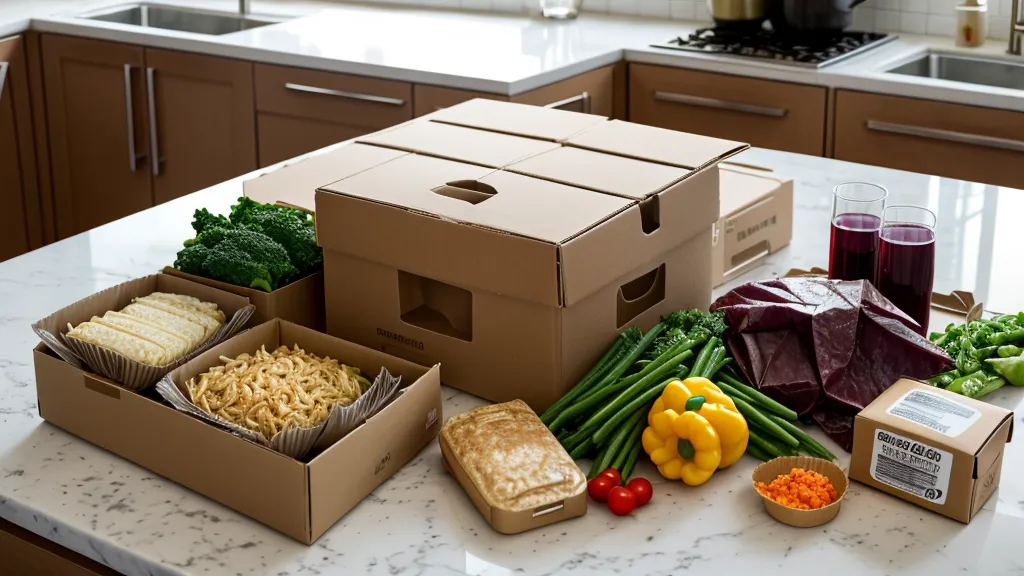
By late April, as soccer season started, I realized that sticking to one service was a recipe for burnout. My hybrid schedule means some days I have time to chop, and some days I’m barely closing my laptop at 6 PM. This is where Home Chef earned its spot. Their weekly menu variety is massive—usually 12 to 15 recipes—and they have these 'Fast & Fresh' options that are actually fast. If you've read my Home Chef vs Blue Apron: Why One Stuck in Our Madison Kitchen After the Honeymoon Phase Ended, you know I value the ability to skip weeks without a headache.
On the nights when the client calls go into overtime, I’ve started relying on Tempo by Home Chef. These are microwave-first, but they aren't the sad frozen dinners of my 20s. I usually keep a few in the back of the fridge for myself so I’m not eating the kids' leftover crusts at 8 PM. You can see my full breakdown of that strategy in my Tempo by Home Chef Review. It’s about survival, not Pinterest-worthy plating.
The Hidden Tradeoff: Waste vs. Sanity
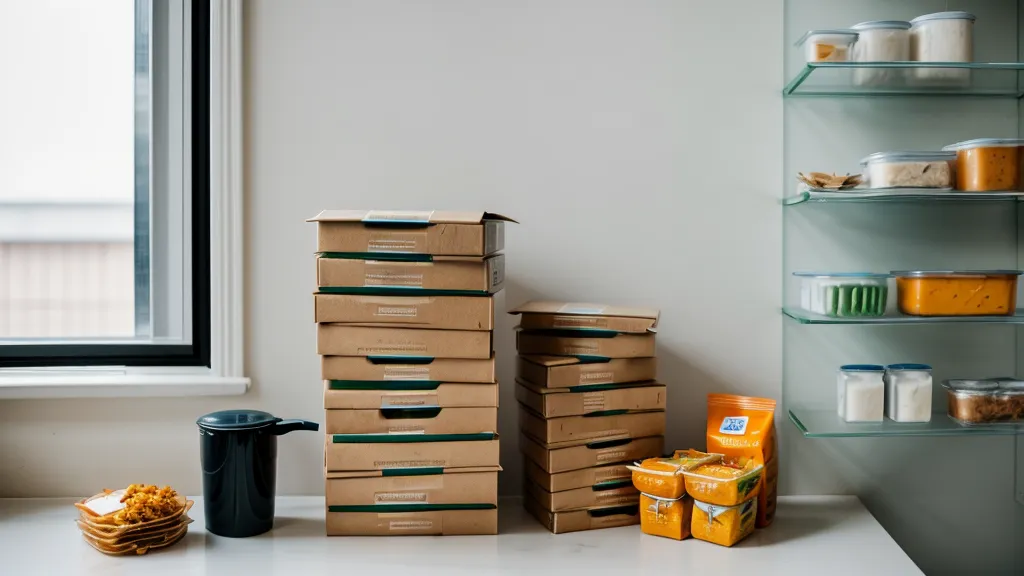
There is a measurable tradeoff I didn't see coming until we were six months into this rotation. On one hand, my food waste has plummeted. I’m no longer throwing away half a head of cabbage because I only needed a cup for a recipe; the kits give me exactly what I need. On the other hand, my recycling bin is constantly screaming. The amount of packaging waste—the tiny plastic bottles for three drops of soy sauce, the insulated liners, the ice packs—is significantly higher per serving than grocery shopping. It’s a guilt I manage by knowing that if I didn't have these kits, we’d be ordering takeout in plastic containers anyway.
To bridge the gaps between boxes, I use Thrive Market for pantry staples. It’s where I get the organic snacks that don't have a million dyes in them, which helps when the kids are 'starving' ten minutes before the actual dinner is ready. For a deeper look at that, I’ve compared Thrive Market vs Brand Name Groceries for Healthy Kid Snacks previously. It's the infrastructure that keeps the meal kits from becoming an all-or-nothing proposition.
The Final Verdict for the Dinner Rush
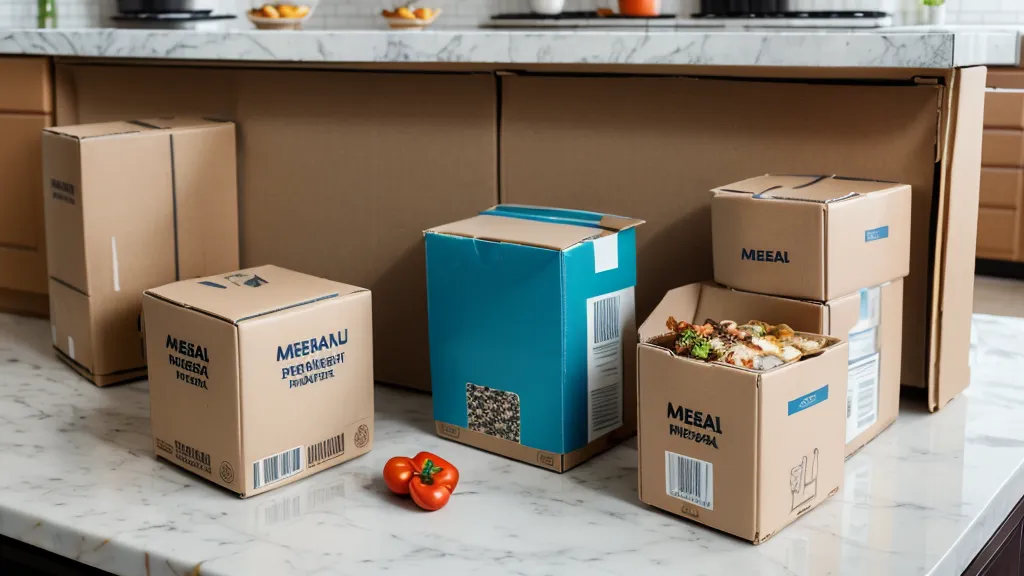
As we transition into summer break, my QA brain has finally accepted that a 'successful' dinner isn’t a photo-op. It’s a meal where nobody ended up in tears, the dishwasher is actually running, and I didn't have to think about a grocery list after an eight-hour day of staring at code. Vegetarian kits for families are about finding the middle ground between 'too healthy for kids to eat' and 'too processed for parents to feel good about.'
If you want the variety and the 'cooking school' feel, Blue Apron is the winner, even if the prep times are a bit optimistic. If you just need to get through a Tuesday without losing your mind, the fast-prep options at Home Chef are the more realistic choice. Either way, it beats the cereal bowl at the counter. Just remember to check those pantry staples—most kits assume you have salt, pepper, and olive oil on hand, and there's nothing quite like the frustration of being mid-recipe and realizing you're out of the basics.