What actually decides whether a hybrid work-from-home lunch gets made, or gets skipped in favor of a granola bar eaten standing over the sink? After years spent testing meal kit subscriptions for dinner and writing about which ones survive a real Tuesday night, I never expected WFH lunch to be the harder logistics problem — the one that quietly wrecks a hybrid workday even after dinner is fully solved. Lunch has none of the built-in accountability of a family meal. Nobody is waiting at the table for it. There is just a laptop that will not stop pinging, and a decision that has to get made somewhere in the gap between two meetings.
The answer, it turns out, has almost nothing to do with the recipe and everything to do with how many decisions the meal requires before noon. A lunch that needs chopping, seasoning, plating, and then a cutting board washed afterward is a lunch that loses to the granola bar nine times out of ten on a day with back-to-back calls. Decision count, not the nutrition label, is what actually predicts whether real food happens by one o'clock. Fewer choices between a meeting ending and food arriving means lunch gets eaten; more choices means it doesn't.
My day job is software quality assurance engineering, and I test lunch roughly the way I test a build — by looking for the one thing likely to break under real conditions, not the thing that looks fine in a demo. A recipe photographed under studio light is a demo. A lunch eaten during back-to-back calls is production.
The Real Test for a Hybrid-Day Lunch Isn't Speed
Speed gets all the marketing attention, but speed alone does not predict what actually gets eaten between a stand-up and a bug triage. A shorter checklist predicts it better: can this be eaten one-handed near a keyboard without a real plate. Does it dirty more than one dish. Does it survive being reheated in a shared microwave down the hall from three other people's lunches. Is there a step that requires a knife, because a knife turns a lunch into a small cooking project wearing a lunch costume. Failing two of those four questions is enough to fail the whole test, regardless of how virtuous the ingredient list looks on paper.
Does Sunday Batch-Cooking Actually Save Time?
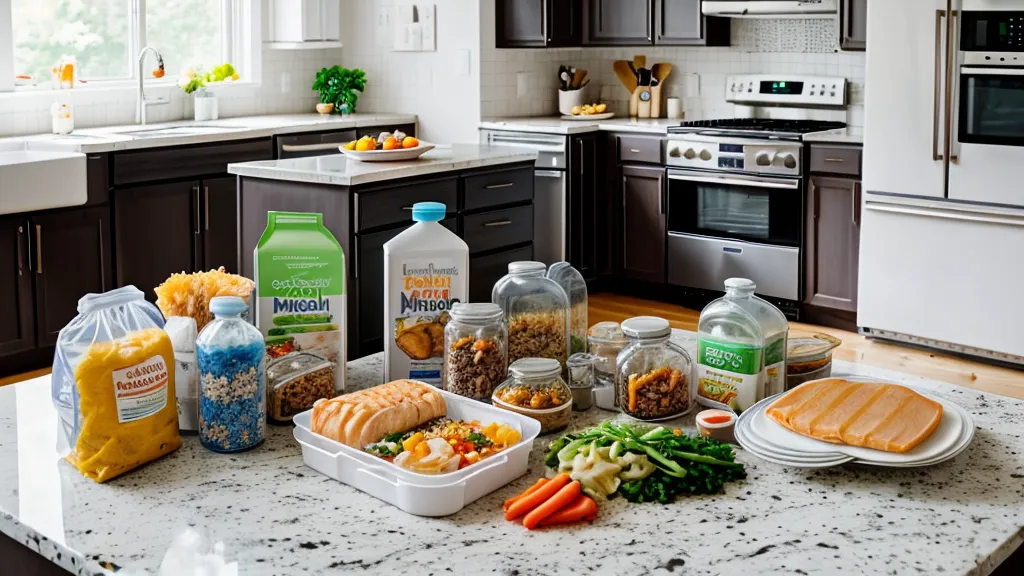
For a stretch I batch-cooked a full week of lunches every Sunday afternoon, the way every productivity article insists you should. It worked exactly through Wednesday. By Thursday I had run out of ideas, not out of food — the containers were still sitting there, but I could not face a fourth identical grain bowl in a row, and I ended up ordering something anyway. Batch-cooking solves the time problem and quietly creates a boredom problem, and boredom is what actually breaks a lunch routine on a hybrid schedule. The fix was never more prep. It was more categories to rotate through, so no Thursday required the same bowl as the Sunday before it.
Three Categories That Actually Rotate
The rotation that has held up longest breaks into three categories, and the trick is never relying on only one of them. The first is dinner-forward — whatever got made the night before, portioned into a container before the kitchen closes, because a five-minute reheat beats a fifteen-minute assembly every time. The second is pantry-built: canned beans, a grain, whatever green thing survived the week, assembled cold with no cooking step at all, mostly sourced from a single weekly stop at Willy Street Co-op on Williamson Street, because one store beats three. The third is the rare prepared option for days when neither of the first two exists, something shipped refrigerated rather than frozen, using modified atmosphere packaging to stay edible without turning into the spongy freezer-aisle texture I grew up eating. That third category earns maybe one day a week. Treating it as an everyday habit is how the grocery budget quietly disappears. Cleo, a coworker two desks over on office days, is fiercely loyal to the one kit her daughter will actually finish without a negotiation, and for her the third category covers most weekdays — which is a valid answer, just not mine.
Where Tempo Fits Into the Lunch Rotation, and Where It Doesn't
Between deliveries, the gap that actually causes stress is not lunch itself, it's not having a snack layer ready when a kid gets home starving despite having eaten forty minutes earlier at school. I wrote separately about where Is Thrive Market Worth It for Busy Families in Wisconsin? lands on that, if the grocery-adjacent side of this is the piece you're actually missing.
None of this touches the separate question of whether a kit's stated cook time matches a stopwatch, which is its own rabbit hole mapped out elsewhere, or whether the portion printed on the label matches what actually lands in the container, or whether a box survives a kindergartener's acceptance test at dinner. Those are dinner-side comparisons, and lunch has a lower bar: did I eat it, and did I mind eating it.
For the prepared category specifically, Tempo is the one that has stuck around longest, mostly because a refrigerated single-serving lunch solves a different logistics problem than a family dinner box does — I get into the weeknight side of that comparison in my Tempo Meals Review for Busy Parents Working Hybrid From Home if the dinner angle is what you're after. Whether prepared beats from-scratch for one lunch is a narrower question than the same debate for a family dinner. How easily a subscription pauses when a slow month or a trip shows up matters more for a solo lunch add-on than people expect, since nobody else in the house is counting on it to eat.
The whole system got tested for real not long ago, when school pickup ran long and I got back with barely half an hour before the next call, and the lunch was still sitting there untouched, waiting, instead of being one more thing to invent out of a bare fridge. That is the actual measure of whether a rotation works — not whether it's healthy, not whether it's fast on paper, but whether it's still there when the day goes sideways.
A reader who has emailed enough times to become a fixture, Augustin Guerrero, always asks first whether a new service has a Spanish-language interface before he will bother testing it for lunch too, and it is a fair question none of the marketing pages ever answer.
None of this is a claim that lunch is solved forever, or that a system built around one household with two elementary-age kids translates to every hybrid schedule. It is just the version that survives an actual Thursday, which turned out to be the only test that mattered.
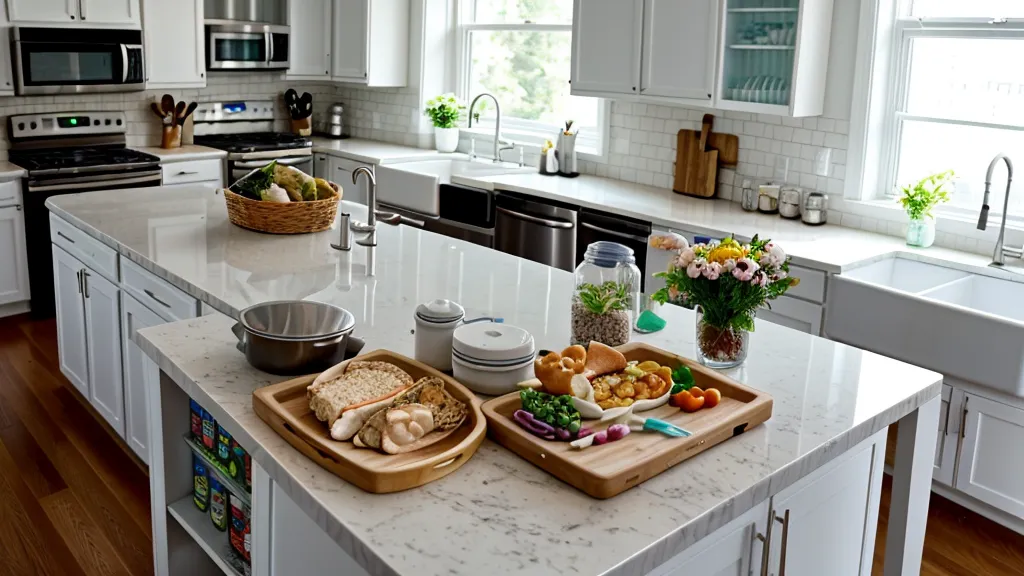
When the afternoon meetings end and the kids get off the bus, I would rather have spent the decision-making energy on code review than on lunch. That is the entire point of building any of this out — not a healthier plate, just fewer decisions standing between a hybrid workday and actually eating.