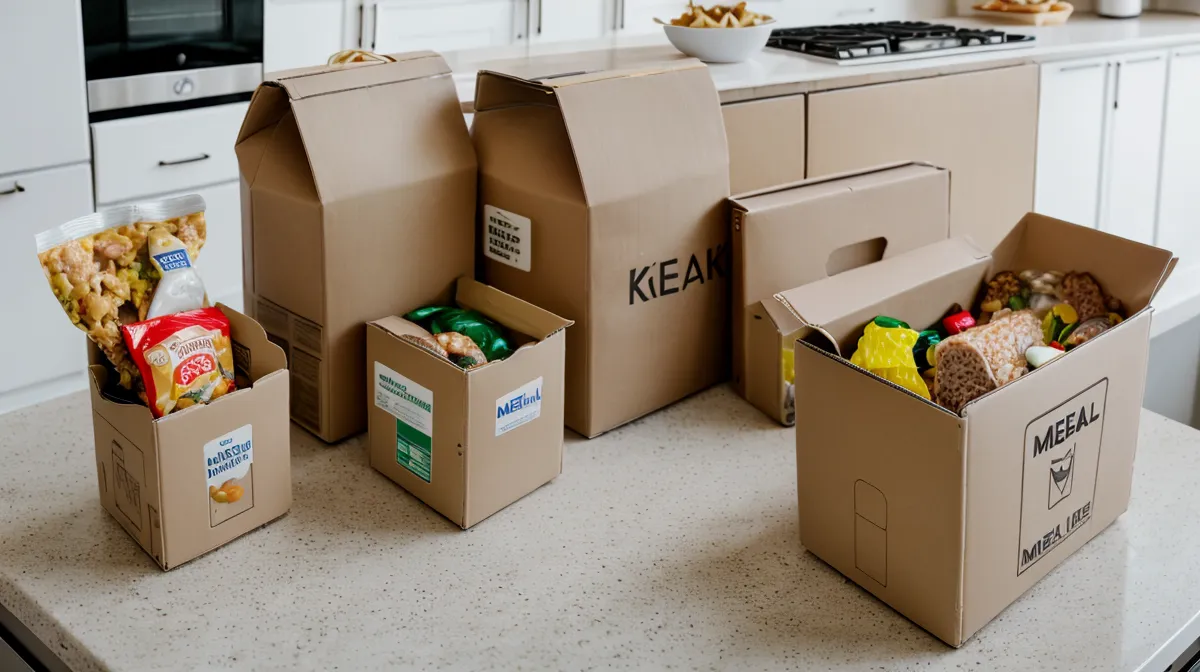
A Tempo tray needs three minutes in the microwave. A Blue Apron recipe card promises thirty and usually eats forty-five. That gap between what a box claims and what actually happens between school pickup and bedtime is the whole reason our house runs more than one meal kit subscription instead of settling on one for family dinners. It's the question elementary-school parents ask me most about weeknight dinners: which kid-friendly meal kit actually survives a Tuesday.
Quick disclosure before anything else: some of the links below pay me a commission if you sign up, at no extra cost to you. None of that changes which boxes get called out as not worth the trouble here — three years of rotating these through our own kitchen has made me pickier, not more generous, and I still cut the ones that stopped earning their spot in the queue.
Software QA is mostly about not trusting a label until it fails in front of you, and a "15-minute" meal kit gets exactly that treatment in this house. If you just want the short answer before the long one, Home Chef's current family lineup is still the first place I point any elementary parent asking where to start. What follows are the actual questions other elementary parents send me about these boxes, answered the way I wish someone had answered them for me before we started.
Is the 15-Minute Prep Time Ever Actually True?
Not as printed on the box, no. When a card promises fifteen minutes, translate it the way I translate a ticket that's "basically done". It's the meeting that was supposed to be an email, and it rarely accounts for washing produce, peeling a sticky garlic clove, or waiting for a pan to actually preheat.
Realistic cook time has less to do with the recipe and more to do with how the kit is packaged. Pre-portioned sauces and pre-diced vegetables shave real minutes off; a recipe that still wants you to mince, deglaze, and reduce on a back burner adds them right back, no matter what the card says.
Why We Run More Than One Meal Kit at Once
One box has never covered a full week in this house, and I stopped expecting it to. Some nights need a kit that cooks itself start to finish; other nights need something that reheats in the microwave while homework is still happening at the table. I wrote a longer breakdown of how we juggle the accounts in Between Sprints and Soccer Practice: My QA-Tested Rotation of Family Meal Kits, but the short version is that rotation beats loyalty to one subscription.
Home Chef: The One We Don't Cancel
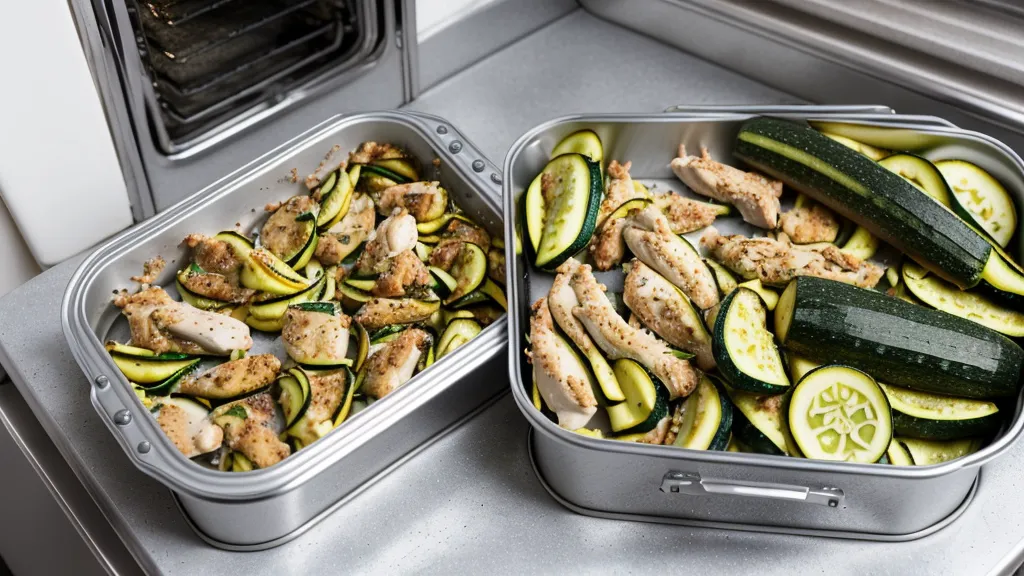
Home Chef is the subscription we have never fully paused, because it survives elementary logistics better than anything else we have tried. Their regular rotation runs twelve to fifteen recipes a week, split clearly between "Fast & Fresh" picks and oven-ready pans — on a night when bug reports are still open at six o'clock, pulling a tin where the chicken and vegetables just get tossed with sauce and baked saves actual tears.
Kid acceptance rate is where it earns the subscription, though. Proteins, starches, and sauces arrive separated instead of pre-mixed, so the older kid gets his teriyaki plain while the rest of us drown ours in glaze from the same pouch. That separation is also what makes ingredient swaps painless — pull the scallions, skip the chili flakes, and the base dish still works instead of falling apart. Pre-trimmed poultry matters here too, since handling raw chicken while you're also helping with spelling homework goes faster when you're not trimming it yourself first — the USDA Food Safety and Inspection Service keeps safe-handling guidance on exactly that kind of shortcut for a reason.
Portion accuracy runs a little tight on the heat-and-eat side — fine for two adults, noticeably smaller once you add two growing kids to the table — so on those nights we usually add a side that didn't come in the box.
Fast Prep Always Means More Plastic in the Bin
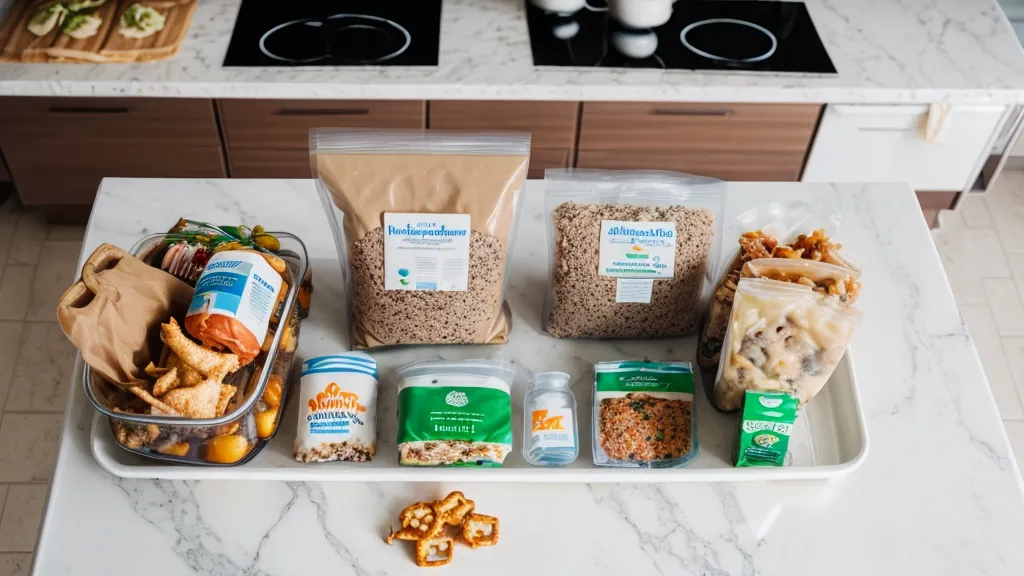
Pre-shredded carrots, pre-diced onion, individual sauce pouches, and a little cheese tub for every portion add up to convenience that shows up again on trash day. Curbside recycling does not take most of the film pouches, so they end up in a separate drop-off pile more often than I'd like to admit. It is a real trade, not a footnote: the boxes that save the most time in the kitchen are reliably the ones that fill the recycling bag fastest.
Tempo by Home Chef, for the Nights Nobody Cooks
Tempo by Home Chef solved a problem the family kits never could: the night one parent is handling bedtime solo and cooking a full four-portion skillet for two adults feels absurd. These are fully prepared, single-serve trays built to microwave in about three minutes, and they live in the freezer for exactly the night nobody has energy left for a pan.
Lunch is honestly where Tempo earns its keep more than dinner — the menu leans toward adult office meals rather than kid appetites, so it doubles as a hybrid-workday lunch on the days I'm home with a laptop open between calls. Cleanup is the other selling point: no cutting board, no skillet, just a tray in the recycling and a fork in the sink. The trade-off is portion size, which runs noticeably smaller than the Home Chef family kit, so it never replaces dinner for four — it just quietly handles the nights a full dinner isn't realistic.
Does Blue Apron Actually Take Longer Than It Claims?
Most weeks, yes. Blue Apron's recipes push past the usual suburban rotation, and the instruction cards are genuinely good at teaching technique — my older kid likes reading the step photos to see what browning shallots is supposed to look like. But a card advertising thirty minutes regularly turns into forty-five once real chopping starts.
More than once the kitchen timer went off for the glaze while it was still thin and watery on the stove, nowhere near the syrupy reduction pictured on the card, because someone needed help with a spelling word at the exact wrong moment. Ingredient quality on arrival has been consistently good — produce shows up firm, herbs show up fresh — but if a kid refuses anything green on sight, Blue Apron needs heavy editing before the pan even heats up. Keep it in rotation for one or two boxes a month rather than every week, or the variety that makes it interesting starts to feel like one more thing to get through.
Can You Skip or Pause Without a Fight?
A reader named Nneka Obi emailed me after a chaotic spring break left her with two surprise charges for boxes she had forgotten to skip, and her question was blunt: which of these actually lets you pause without a five-email back-and-forth? She tracks pause windows the way other people track phone-plan overage fees, and it is a fair thing to be strict about.
Pause-resume flexibility is where Home Chef wins outright — the skip window is a toggle in the dashboard, confirmed instantly, no email required. Blue Apron takes a similar approach but closes the skip window earlier in the week, so a late-Sunday decision can slip through before you catch it. The rule that has saved us the most grief: set a recurring reminder a day before the skip deadline, not the day of, because the day-of reminder is already too late half the time. I wrote more on the mechanics of this in Home Chef Family Menu Options for Parents Who Hate Meal Planning.
What These Boxes Actually Cost Per Plate
Cost per plate is hard to compare honestly because portion sizes and leftovers vary so much by household, but the rough feel after years of this is that a family meal kit lands somewhere between cooking fully from scratch and ordering takeout — closer to about a takeout dinner cheaper than the takeout itself, not cheaper than a grocery cart if you already meal plan well.
We tried to beat that math once with a CSA farm box, reasoning a flat weekly share of local vegetables had to be cheaper than any kit. It was not, in practice, because a CSA box arrives as a commitment, not a plan — more than one week's share went soft in the crisper drawer because nobody had actually mapped out what we would cook with it before it showed up. Meal-kit value only beats grocery value when there is a recipe attached to every ingredient, which is the entire pitch of a kit and the entire failure mode of a box with none.
My friend Berta Prendergast, who I see on the soccer sideline most weekends, never once springs for the protein upgrade on her own box, but she asks every single time whether ours was worth it that week. Usually the honest answer is that the upgrade is worth it only when the base protein portion was already running thin — otherwise it is just a nicer cut of the same thing you were already going to eat.
Is Thrive Market's Membership Fee Worth It?
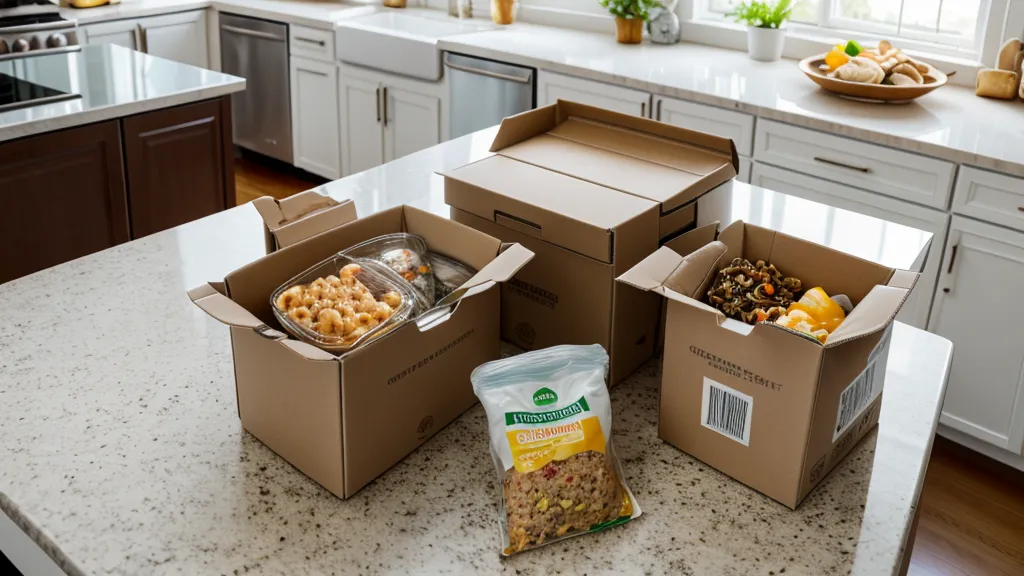
Depends entirely on whether the membership replaces a second meal kit or just adds a line to the budget. Thrive Market is not a dinner kit at all — it is a pantry membership, and the fee only amortizes if you are already buying staples there regularly instead of once a season.
Pantry backup earns its place on the nights a kit recipe looks too adventurous for a moody six-year-old; swapping in a quick organic tortellini from the pantry beats cooking a second meal from scratch. Store-brand snacks from a regular grocery run do the same job for less fuss most weeks, though the allergen filters on Thrive's site are genuinely better than scanning labels in a store aisle. The one time Thrive's order ran late, we ended up making an emergency run to Hilldale Shopping Center on Midvale Boulevard for a rotisserie chicken, which is the real argument for keeping a non-subscription backup plan too.
Vegetarian Nights and Other Edge Cases
Vegetarian menu depth is thinner than the marketing suggests across all three fresh kits, usually just two or three meat-free options a week instead of a parallel menu. If a vegetarian night matters every week in your house, check the actual vegetarian count on the dashboard before you commit, not the homepage photos.
Nutritional balance is something I leave to people with the credentials for it. What I can say from the table is that a kit meal with a visible vegetable, a visible protein, and a starch tends to get eaten; a kit meal that hides vegetables inside a sauce tends to get picked apart and left on the side of the plate. That is a kid-behavior observation, not a nutrition claim, and it is worth checking labels yourself if anyone at your table has an allergy or a medical dietary need.
What We Do When the Box Shows Up Wrong
Box error recovery has become its own skill. A Blue Apron box once arrived short one chicken thigh for a four-portion recipe, which is a small thing until you are mid-recipe with two hungry kids circling the counter. Every service we have used offers a credit or reship if you report it within a short window, so the actual fix is boring: photograph the box the moment it lands, before anything gets put away, and file the report that day instead of after dinner.
The night that actually told us the rotation had taken hold was not dramatic. Dinner was already on the table by the time backpacks hit the floor, and for once nobody drifted toward the cereal box as a backup plan. That is a low bar, but it is the bar that matters on a Tuesday, and it is still the test I use before adding any new box to the rotation.
The Household Verdict
Put all of this together and the verdict has not changed in a long time: Home Chef stays the default anchor, prioritized for fast-prep and oven-ready nights twice a week, Tempo covers the solo-parenting nights, Blue Apron gets one or two boxes a month when there is actual bandwidth to cook, and Thrive Market backs up the pantry so a late shipment never means an empty fridge. The best meal kit on any given Tuesday is just the one that gets a warm plate down with one pan to wash.
| Product | Rating | |
|---|---|---|
| Home Chef Best for Busy Families | 8.8 | Read More → |
| Tempo by Home Chef | 8.3 | Read More → |
| Blue Apron | 8.0 | Read More → |
| Thrive Market | 7.8 | Read More → |
Home Chef
Pros
- ✔ Reliable fast-prep and oven-ready pans that cut weeknight cleanup
- ✔ Menu rotation offering 12 to 15 recipes per week with clear labels
- ✔ Pantry-separate sauce packets make deconstructing plates painless for picky eaters
Cons
- ✗ Pre-chopped ingredients create a noticeable pile of plastic film packaging
- ✗ Heat-and-eat options run slightly small for growing elementary appetites